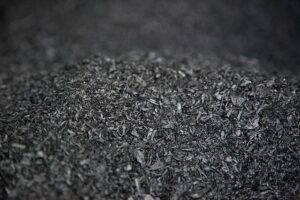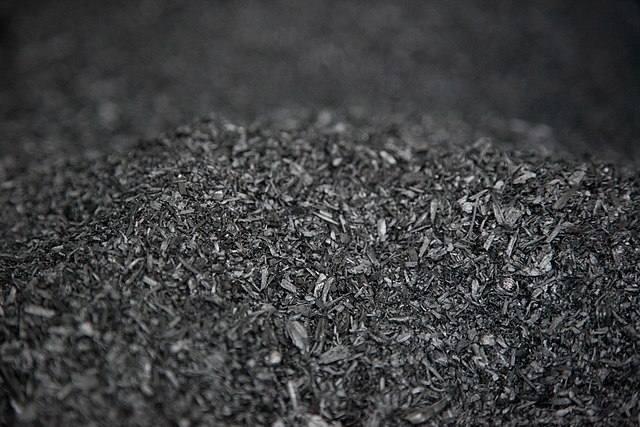
Biochar, a charred organic material produced through pyrolysis, has gained significant attention in recent years due to its rich carbon content and potential applications in enhancing soil health, wastewater treatment, and carbon sequestration. One of the critical attributes that determine its effectiveness in these applications is its adsorption capacity and surface area. Understanding how to evaluate these parameters can unveil the transformative potential of biochar in environmental sustainability. This article delves deep into the analytical methods available for assessing biochar adsorption and surface area, providing a comprehensive overview of the promises and challenges associated with each technique.
1. The Importance of Adsorption in Biochar Applications
Adsorption refers to the process by which molecules, ions, or atoms adhere to a surface. In the context of biochar, this process is paramount because it facilitates the removal of contaminants from water and supports nutrient retention in agriculture. The interaction between biochar and various substances—be they organic pollutants, heavy metals, or essential nutrients—hinges on its porosity, surface functional groups, and the overall morphology of its structure.
Understanding biochar’s adsorption characteristics serves multiple functions. It helps in designing customized biochars for specific uses, optimizing application methods, and predicting long-term environmental impacts. Hence, employing precise analytical techniques becomes an essential step in characterizing biochar’s surface behaviors.
2. BET Surface Area Analysis
The Brunauer-Emmett-Teller (BET) method is widely used to determine the surface area of porous materials, including biochar. This analytical technique utilizes nitrogen gas adsorption at liquid nitrogen temperatures. By measuring the amount of gas that adheres to the biochar surface, the BET method offers insight into the pore structure and specific surface area.
One advantage of the BET method is its ability to differentiate between micropores and macropores, which is crucial since the adsorption behavior can differ substantially depending on pore size. However, one must consider the limitations of this method; for instance, it may misrepresent the surface area if the adsorbent has complex pore geometries or if the adsorption isotherm deviates from the expected pattern.
3. Langmuir and Freundlich Isotherm Models
To interpret adsorption data, the Langmuir and Freundlich isotherm models are commonly employed. The Langmuir model assumes that adsorption occurs on a homogeneous surface with a finite number of identical sites, leading to the saturation of available sites at high concentrations. This model provides insights into the maximum adsorption capacity and is useful for understanding the monolayer adsorption capacity of biochar.
On the other hand, the Freundlich model accounts for heterogeneous surfaces, where energy sites vary across the surface area. This model is particularly adept at modeling adsorption over a range of concentrations, reflecting the complex interaction of adsorbates with the biochar surface.
Both models serve as essential frameworks for biochar adsorption studies, but the applicability of each model depends on the specific type of biochar and the contaminants involved. Thus, a multi-faceted analytical approach often proves beneficial.
4. Scanning Electron Microscopy (SEM)
The structural integrity of biochar plays a pivotal role in its adsorption capacity. Scanning Electron Microscopy (SEM) provides high-resolution images of biochar at the microscopic level, revealing intricate structural details. This method enables researchers to visualize the pore distribution, surface morphology, and even the presence of functional groups that contribute to biochar’s reactivity.
By examining the microstructure, researchers can correlate morphological attributes with adsorption characteristics. For instance, a biochar with a greater density of micro-pores may exhibit enhanced adsorption capacities for specific contaminants. However, SEM does not quantify surface area, thus necessitating the integration of complementary methods.
5. Fourier Transform Infrared Spectroscopy (FTIR)
While surface area and morphology are vital, the chemical composition of biochar significantly influences its adsorption properties. Fourier Transform Infrared Spectroscopy (FTIR) allows for the identification of functional groups present on the surface of biochar. By analyzing the characteristic absorption peaks, one can interpret the chemical functionalities that facilitate adsorption, such as carboxylic acids, phenolic compounds, and carbonyl groups.
Understanding these surface functional groups can foster the development of biochar amendments tailored for specific contaminants, thereby enhancing its utility in diverse environmental applications. Moreover, FTIR can reveal changes in functional groups through different production methods, providing insights into optimizing biochar properties for maximal efficacy.
6. Micropore Analysis using CO2 Adsorption
While nitrogen adsorption provides valuable insights, CO2 adsorption has garnered attention for characterizing micropores. CO2 gas is highly effective in probing small pores due to its small molecular size. This micropore analysis helps distinguish between different types of micro-porosity, thereby providing a more nuanced understanding of biochar’s adsorption capacity.
However, there are caveats; the data interpretation can sometimes be complicated, and the method may require sophisticated equipment. Nevertheless, the insights gained from CO2 adsorption can significantly inform biochar applications in both environmental remediation and agricultural settings.
7. An Integrated Approach
Ultimately, no single method is sufficient for characterizing the adsorption properties and surface area of biochar comprehensively. Employing an integrated approach that combines multiple analytical techniques allows for a robust understanding of biochar’s behaviors. This strategy not only enhances the accuracy of predictions regarding biochar applications but also opens avenues for further innovations in biochar technology.
Conclusion
The intricate dance between biochar’s adsorption capabilities and its surface area is critical for unlocking its potential in a myriad of environmental applications. By leveraging refined analytical methods, researchers can delineate the complex interactions occurring at the molecular level. This not only piques interest and curiosity but also promises to revolutionize practices in soil enhancement, pollution control, and climate change mitigation. As we delve deeper into the capabilities of biochar, the horizon for sustainable environmental solutions grows ever broader, heralding a new era of innovation and ecological stewardship.