In the world of agriculture, where the soil is the sacred womb of life, a remarkable ally has emerged from the ashes of charred organic matter: biochar. This ancient substance finds its roots in traditional practices, yet its relevance is resurging with the urgency of the modern farming landscape. The Biochar Agriculture Toolkit thus serves as an invaluable compendium—a farmer’s guide through the verdant labyrinth of sustainable cultivation. Below, we explore the multifaceted dimensions of biochar and elucidate everything farmers need to embrace this transformative tool.
1. What is Biochar?
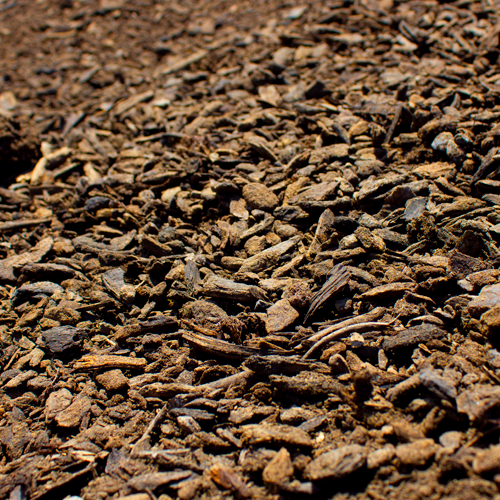
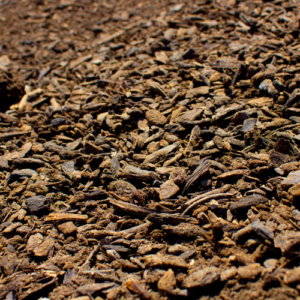
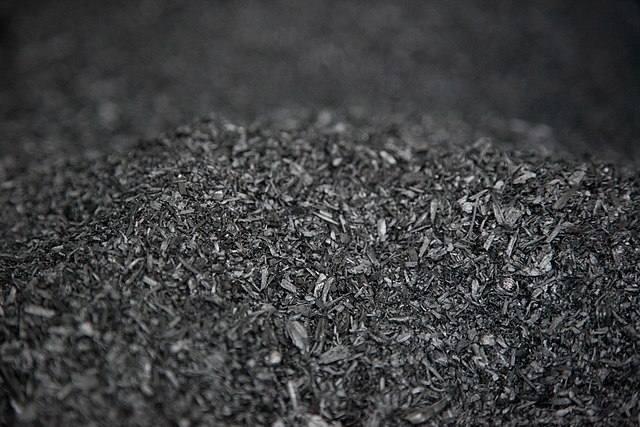
Picture a dark, crumbly treasure—biochar, a carbon-rich byproduct created through pyrolysis, is crafted by heating organic materials such as wood, crop residues, and manure in a low-oxygen environment. This process transforms these materials into a stable form of carbon, which not only enhances soil fertility but also acts as a formidable sequester of carbon dioxide. Thus, biochar becomes a hero in the battle against climate change while simultaneously nurturing the very earth that sustains us.
2. The Benefits of Biochar
The benefits of biochar are as bountiful as a cornucopia. Here are several key advantages:
- Improved Soil Health: Biochar acts like a sponge, retaining moisture and nutrients, thereby promoting soil structure and aeration. It helps unlock essential nutrients that would otherwise remain inaccessible to plants.
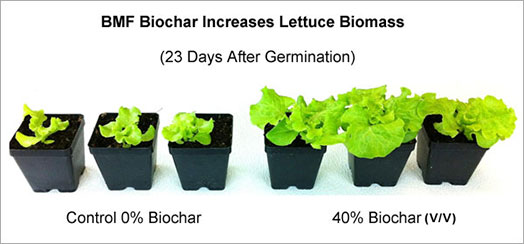
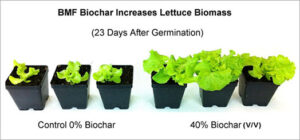
- Enhanced Crop Yields: Incorporating biochar into agricultural practices has been shown to boost crop yields. The interplay between biochar’s porous architecture and beneficial microbes fosters a thriving environment for plant growth.
- Carbon Sequestration: Biochar is a powerful tool in the global initiative to mitigate climate change. By storing carbon in the soil for centuries, it reduces the concentration of carbon dioxide in the atmosphere, thus cushioning the planet from impending climatic repercussions.
- Waste Management: Farmers can recycle agricultural waste through the production of biochar, turning potential pollutants into a resource. This not only alleviates waste disposal concerns but also minimizes the carbon footprint of farming operations.
3. How to Create Biochar
Creating biochar is akin to alchemy, a transformative process that yields something precious from ordinary organic waste. Here’s a simplified approach to producing biochar:
- Gather Materials: Select feedstocks, which may include wood chips, branches, or crop residues. The choice of material influences the properties of the resulting biochar.
- Prepare the Pyrolysis Setup: Several methods to create biochar exist, including kilns, retorts, and the simpler bonfire method. Each setup should prioritize efficiency and safety to prevent uncontrolled combustion.
- Control the Environment: Maintaining a low-oxygen environment is critical during pyrolysis. This can be achieved by controlling airflow and monitoring temperatures, ideally within the range of 300 to 700 degrees Celsius.
- Cool and Store: Once the pyrolysis process is complete, allow the biochar to cool. Store it in a dry place until ready for use, either directly in fields or composting systems, enhancing its effectiveness.
4. Applying Biochar to Fields
With biochar in hand, applying it to fields is the next crucial step. Farmers should consider these guidelines for application:
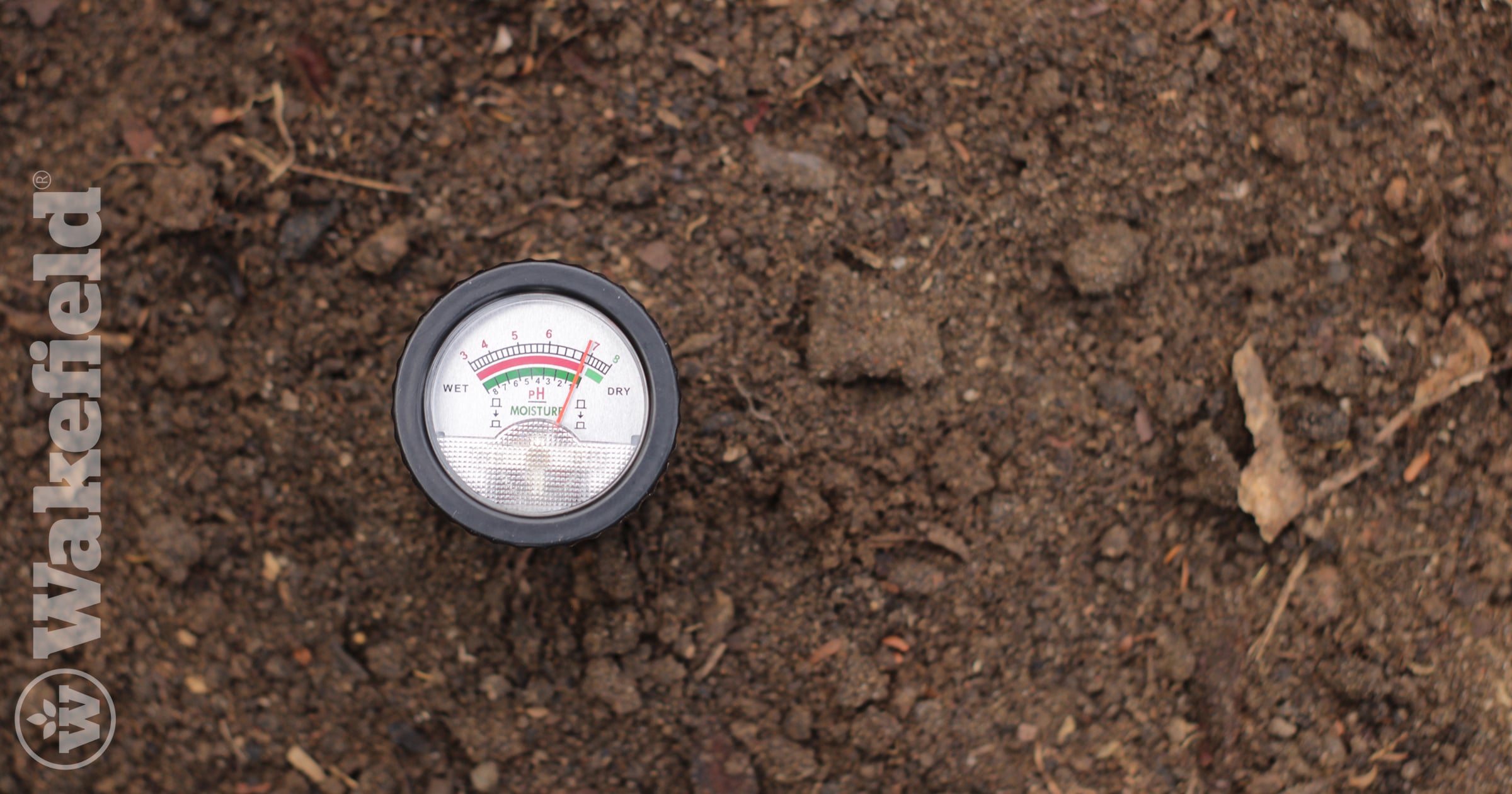
- Soil Testing: Before application, conducting a thorough soil analysis is essential. Understanding soil composition can maximize biochar’s benefits by tailoring its usage to specific conditions.
- Application Rate: Recommended rates often hover between 5 to 20% of soil volume. Too much biochar can be counterproductive, so careful measurements are imperative.
- Incorporate with Other Amendments: Biochar can synergize with organic fertilizers and compost. This layered strategy enhances microbial activity and nutrient cycling.
- Timing: The best times to apply biochar are either before planting or during the fallow season. This allows it to integrate into the soil and interact with moisture and microbes.
5. Challenges and Considerations
Despite its many advantages, integrating biochar into agricultural practices is not without challenges. These include:
- Cost of Production: Initial investment for setting up pyrolysis equipment may deter some farmers. However, considering long-term savings and ecological benefits can justify the costs.
- Variability in Quality: The properties of biochar greatly depend on the feedstock and production method. Consistency in quality is key to achieving optimal results.
- Knowledge Gap: Education and training are required for farmers to understand proper application and production techniques. Extension services can play a pivotal role in bridging this gap.
6. The Future of Biochar in Agriculture
As the world grapples with the impacts of climate change and soil degradation, the future of biochar appears both promising and essential. Researchers are continually exploring advanced methods for optimizing biochar use in diverse agricultural systems. Innovations such as biochar application in vertical gardens and urban farming initiatives signify a shift towards sustainability in food production. Farmers stand at the forefront of this revolution, holding the power to reshape our environmental landscape through every scoop of biochar they apply.
In conclusion, the Biochar Agriculture Toolkit equips farmers with vital knowledge and practical methodologies to harness the propitious benefits of biochar. As stewards of the land, embracing biochar serves not only to enhance agricultural productivity but also to mitigate climate challenges, cultivate resilience, and preserve the very essence of our planet for generations to come. Each handful of biochar is not merely soil amendment; it is a testament to a nourishing union between humanity and nature.