Biochar, an ancient practice revitalized by modern science, is carving its niche in the agricultural world as an innovative soil amendment. This carbon-rich material, produced through the pyrolysis of organic materials, boasts the ability to enhance soil fertility, improve water retention, and sequester carbon. As interest in sustainable farming practices burgeons, biochar applications to soil have become a focal point of research and practice. Let’s explore the myriad benefits of biochar, the best practices for its application, and the underlying science that underpins its efficacy in enhancing soil health.
The Science Behind Biochar
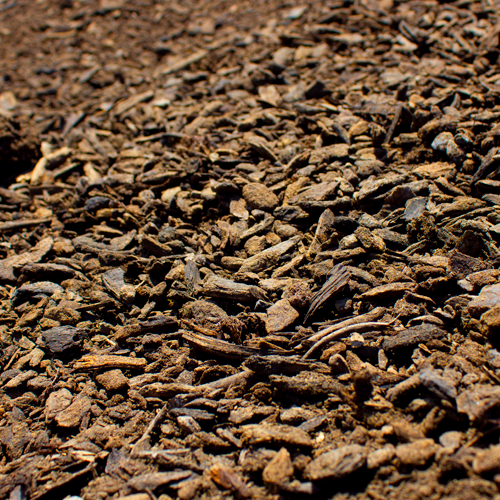
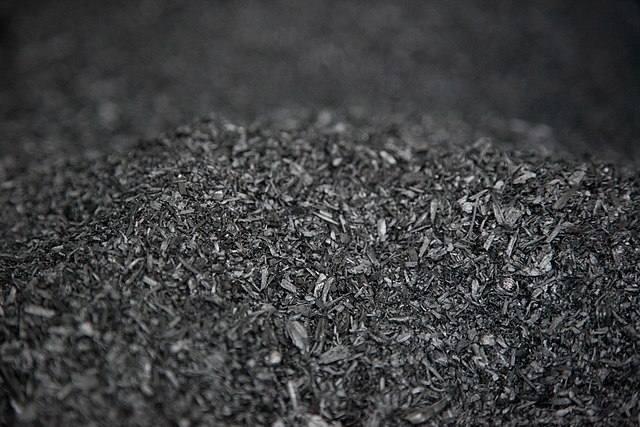
At the core of biochar’s allure lies its unique structure. Created through the thermal decomposition of biomass in an oxygen-limited environment, biochar’s porous nature provides ample surface area that facilitates microbial colonization and nutrient retention. Its channel-like structures allow for the effective management of water and nutrients, which are vital for plant growth. What makes biochar particularly fascinating is its longevity in soil—unlike most organic amendments, biochar can persist in the soil for centuries, effectively locking carbon away and mitigating greenhouse gas emissions.
Enhancing Soil Fertility
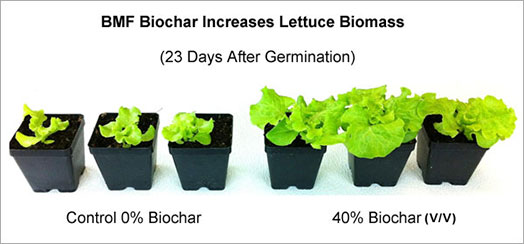
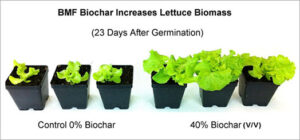
A primary application of biochar is its role in enriching soil fertility. By acting as a habitat for microorganisms, biochar fosters a thriving community of beneficial bacteria and fungi. This microbial symbiosis can enhance nutrient cycling, making elements like nitrogen, phosphorous, and potassium more available to plants.
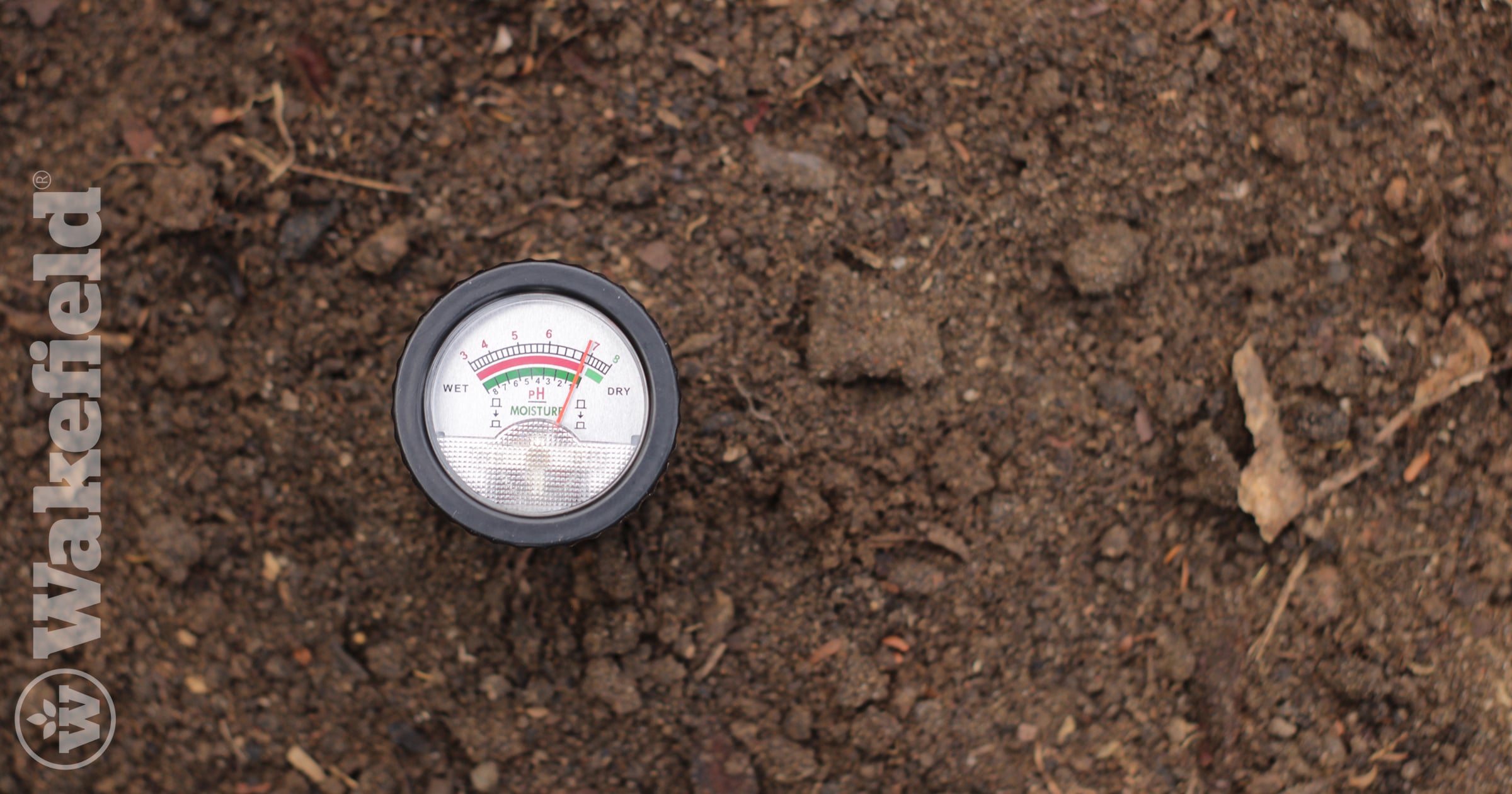
When applying biochar, it is paramount to conduct soil nutrient tests beforehand. Understanding the existing nutrient profile allows for targeted biochar selection. Different types of feedstocks yield biochar with varying nutrient qualities. For instance, biochar produced from chicken manure may impart a higher nitrogen content, making it particularly valuable in nitrogen-deficient soils. Conversely, woody biomass-derived biochar may serve better in soils rich in organic matter.
Improving Soil Structure
Biochar is synonymous with improved soil structure. Its incorporation into soil can enhance porosity and drainage, lessening compaction and fostering root penetration. Farmers grappling with heavy clay soils often find biochar to be a transformative addition. By introducing biochar, the clay particles develop aggregates, ultimately creating a looser, more aerated soil environment. This is crucial for root growth, enabling crops to achieve maximum potential without undue stress.
Moreover, biochar’s hydrophilic properties promote water retention. This characteristic is particularly beneficial in arid climates where moisture levels fluctuate dramatically. For instance, crops may thrive during dry spells, as biochar can hold moisture and release it gradually to plant roots, ensuring consistent hydration during critical growth phases.
Water Management Benefits
Another salient advantage of biochar is its effect on water management. Agricultural regions facing challenges such as drought and erratic rainfall can significantly benefit from biochar amendments. Studies reveal that biochar-treated soils demonstrate enhanced water-holding capacity, facilitating more sustainable water usage.
Implementing biochar requires careful consideration of application rates. A recommended starting point is around 5% to 20% by volume, depending on the specific soil type and crop requirements. Too much biochar can lead to nutrient imbalances, while too little may not harness its full potential. Therefore, incremental trials are prudent, allowing for calibration based on observed results.
Carbon Sequestration
One of the most commendable attributes of biochar is its ability to sequester carbon effectively. Conventional agricultural practices, often reliant on synthetic fertilizers and monoculture, contribute to significant carbon emissions. Biochar, however, reverses this trend by sequestering carbon in a stable form, thus playing an integral role in climate change mitigation strategies.
Farmers engaging in biochar applications contribute to environmental sustainability. Beyond enhancing soil health, biochar serves as a cornerstone of carbon farming initiatives. With its proven longevity, biochar represents a unique opportunity to sequester carbon in agricultural soils.
Best Practices for Biochar Application
To glean optimal results from biochar, adhering to best practices is paramount. Here are key guidelines for successful biochar application:
- Feedstock Selection: Choose feedstock wisely based on available nutrients and desired soil changes. Variations in feedstock lead to differences in biochar performance.
- Pyrolysis Conditions: The temperature and duration of pyrolysis affect biochar’s chemical and physical properties. Higher temperatures typically yield less volatile compounds and increase carbon stability.
- Pre-Soaking Biochar: Before application, pre-soaking biochar in nutrient-rich solutions (like compost tea) can introduce beneficial microorganisms and nutrients, enhancing its immediate effectiveness.
- Incorporation Techniques: Biochar can be tilled into the soil or applied as a top-dressing. Tilling is often preferred for rapid integration, while top-dressing may suffice if soil disturbance is to be minimized.
- Monitoring and Adjusting: Regular soil testing post-application helps assess changes in nutrient profiles and microbial activity, allowing for adjustments and continued improvement.
Conclusion
Biochar represents a unique intersection of ancient wisdom and modern scientific research. Its applications in agriculture offer not only enhanced soil fertility and structure but also represent a potent tool against climate change through carbon sequestration. By understanding the best practices for its application and recognizing the underlying science, farmers and agri-enthusiasts can tap into the immense potential of biochar. The path to sustainable agriculture is paved with innovative solutions, and biochar stands out as a versatile and valuable ally in the quest for resilient and productive soils.