In a world increasingly aware of climate change, the quest for sustainable solutions to mitigate carbon emissions has never been more urgent. Among these solutions, biochar has emerged as a pivotal carbon sequestration tool that promises a double benefit: enhancing soil health while capturing carbon dioxide. Rural communities stand at the forefront of this transformative journey but need to grasp the intricacies and potential of biochar fully.
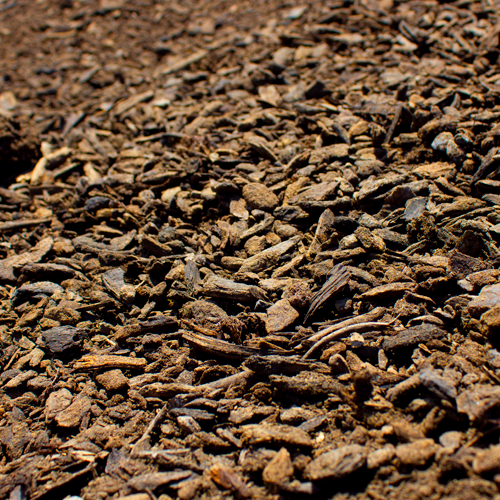
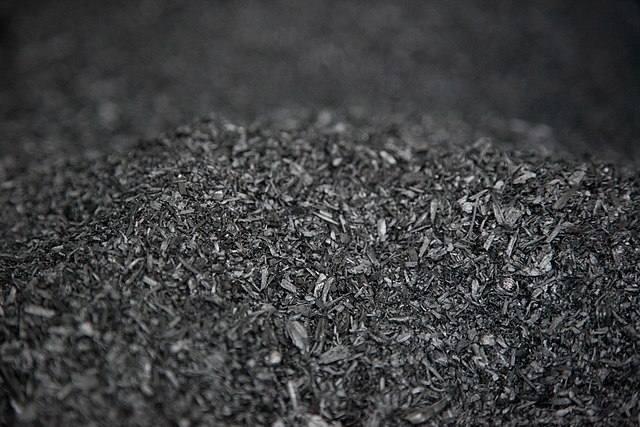
Understanding biochar begins with its production method. Biochar is a form of charcoal produced through the pyrolysis of biomass, a process that involves heating organic materials—such as agricultural residues, wood chips, or even animal manure—in an environment with limited oxygen. This production not only minimizes greenhouse gas emissions but also retains a substantial amount of carbon that would otherwise be released into the atmosphere. Consequently, the resulting biochar can sequester carbon in a stable form for hundreds to thousands of years.
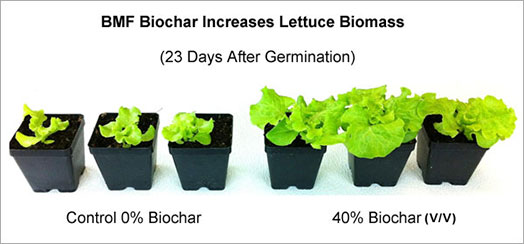
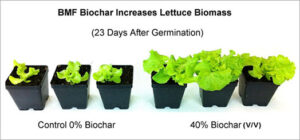
Yet, the promise of biochar extends far beyond carbon capture. It has a myriad of applications in agricultural practices, especially in rural settings where farming is a driving economic force. The incorporation of biochar into soil can ameliorate its structure, enhance nutrient retention, and increase water-holding capacity. This can be particularly beneficial in times of drought, ensuring that crops have access to water even during dry spells. Moreover, biochar can help reduce the need for chemical fertilizers, promoting a more sustainable approach to farming that aligns with regenerative agricultural principles.
Rural communities considering biochar should pay close attention to the characteristics of their soil. Each soil type interacts with biochar differently. For instance, acidic soils may benefit from biochar’s alkaline properties, which can help reduce soil acidity and improve overall fertility. Conversely, in more alkaline soils, biochar can enhance cation exchange capacity—essentially improving the soil’s ability to hold onto essential nutrients. This intrinsic adaptability is a game-changer for rural farmers looking to optimize their yields while minimizing their carbon footprint.
However, the environmental benefits of biochar do not stop at soil enhancement. When implemented effectively, biochar systems can contribute to waste management solutions within rural communities. Agricultural residues often become waste that either gets burned or left to decompose on fields, both of which produce greenhouse gases. By converting these residues into biochar, communities can utilize waste as a resource, transforming potential nuisances into valuable commodities. This not only creates a circular economy but also fosters community resilience.
Implementing biochar on a community scale does, however, present challenges. One significant consideration is the initial investment required for pyrolysis equipment. While larger agricultural entities may find the capital for the technology more accessible, smaller farmers and rural communities might struggle to acquire the necessary funds. Understanding potential funding sources, including grants or partnerships with local organizations, can help facilitate this transition. Community education and engagement will also play vital roles in overcoming resistance to new practices, and ensuring that everyone understands the potential benefits and possibilities.
Once established, biochar systems can also create avenues for local entrepreneurship and job creation. For example, individuals can undertake biochar production as a business venture, creating a product that can be sold or exchanged locally. This not only adds to local economies but also fosters a collective effort towards sustainability. Moreover, individuals trained in biochar production and application could provide valuable knowledge and skills to the community, further embedding this practice into rural culture.
To optimize the adoption of biochar as a carbon sequestration tool, the collaboration between agricultural experts and scientists is essential. Ongoing research can help elucidate the best practices for both the production and application of biochar in various regional contexts. This scientific engagement can facilitate the development of regionally tailored biochar strategies, addressing the unique environmental considerations of different rural communities. For instance, areas prone to flooding might require biochar’s specific properties to enhance water infiltration and mitigate flooding impact.
Furthermore, as communities begin to adopt biochar, monitoring and evaluating its impacts will be crucial. Establishing baseline data regarding soil health, crop yields, and carbon levels in the atmosphere will help assess changes resulting from biochar application. Sharing these results will foster a sense of achievement while also offering a feedback loop to improve practices where necessary. These evaluations can simultaneously contribute to a larger body of research, potentially influencing broader adoption of biochar on regional and national scales.
The global conversation on carbon markets is another aspect that rural communities must familiarize themselves with as they consider biochar. Emerging carbon credit systems may allow farmers to earn financial rewards for implementing practices that sequester carbon—biochar being one of them. Thus, understanding how to navigate these markets could provide rural communities with additional financial incentives, further encouraging the shift towards sustainable practices.
In conclusion, the promise of biochar as a carbon sequestration tool offers rural communities a pathway towards achieving ecological sustainability and resilience. By enhancing soil health and promoting a circular economy, biochar holds potential not only for mitigating climate change but also for revitalizing rural economies. As investment, education, and collaboration take root, the transformative potential of biochar will no longer be a distant possibility but a tangible reality that communities can embrace with confidence.