In the ongoing battle against climate change, myriad strategies have emerged as potential solutions, and one of the most intriguing among them is biochar. This carbon-rich material, created by pyrolyzing organic waste, has garnered attention from scientists, environmentalists, and policy-makers alike. But what exactly is biochar? More importantly, can it truly deliver on the lofty promises touted by its advocates? As we delve into the intricacies surrounding biochar, we will separate fact from fiction and appreciate its multifaceted role in climate change mitigation.
The Science of Biochar
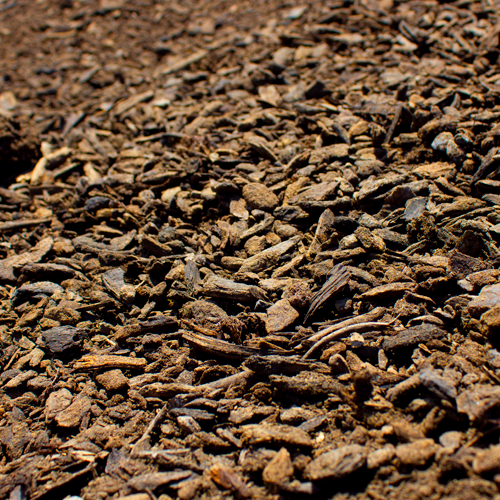
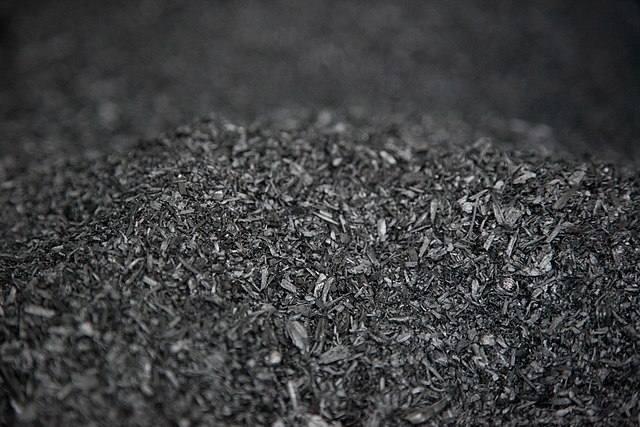
Biochar is produced via a low-oxygen process called pyrolysis. Through this thermal decomposition, organic matter—ranging from agricultural residues to forestry byproducts—is transformed into a stable carbon form. The result is a charcoal-like substance that can sequester carbon in soils for centuries. This longevity is one of biochar’s most compelling features, as it allows for long-term carbon storage, which is crucial in the fight against climate change.
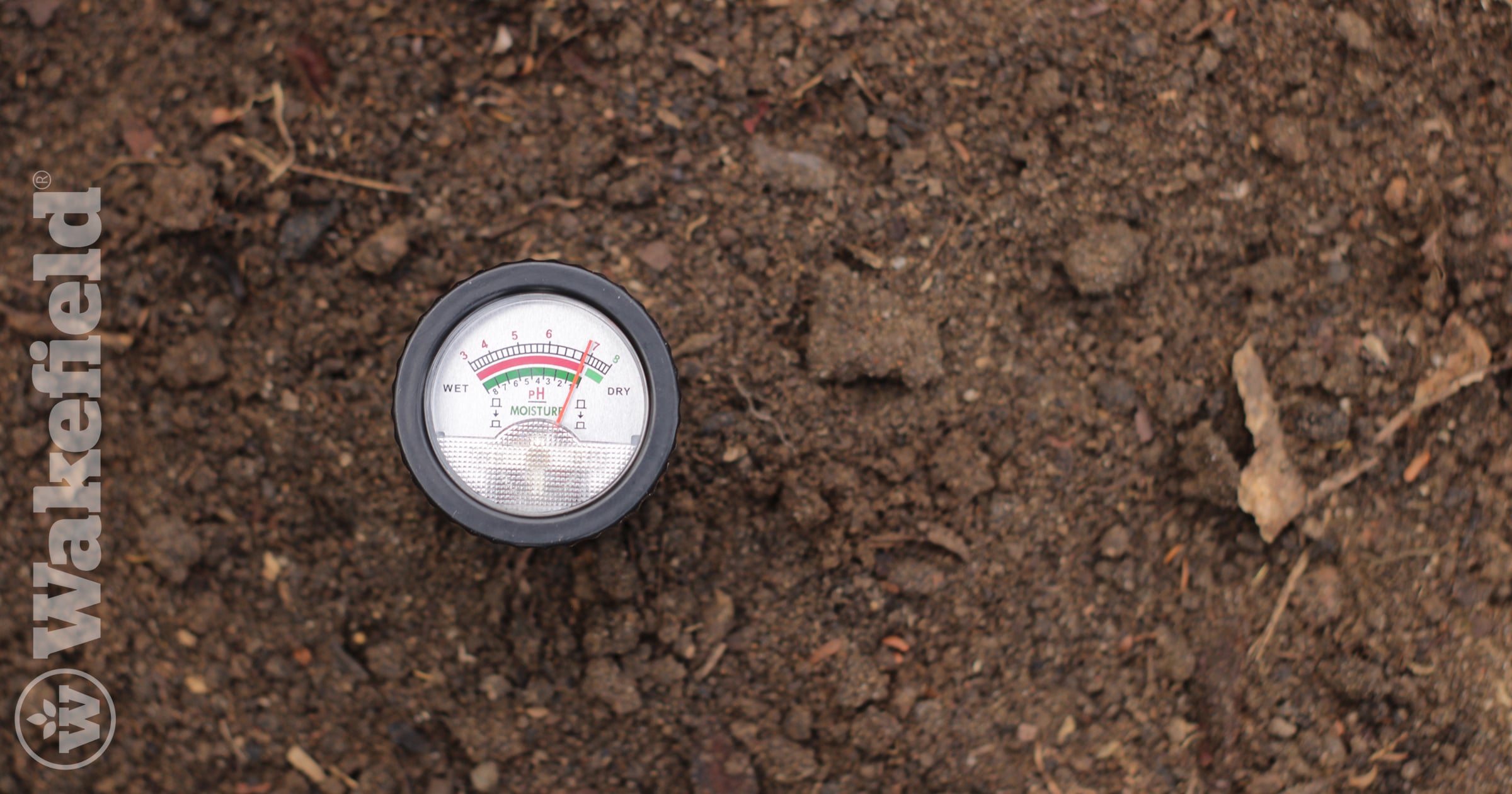
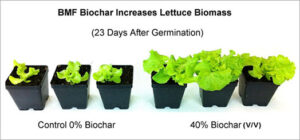
Additionally, biochar is characterized by its porous structure, which enhances soil aeration and water retention. Such attributes heighten nutrient availability for crops, promising a dual advantage of improving agricultural productivity while pulling carbon from the atmosphere. As scientists continue to explore its potential, biochar emerges not only as a soil amendment but as a potential powerhouse in the realm of carbon sequestration.
The Promises of Biochar
Advocates often tout several key benefits of biochar, with the most prominent being its capacity to mitigate climate change. Essentially, by converting biomass into biochar and then applying it to soil, we can lock carbon away that would otherwise contribute to greenhouse gas emissions. Several studies suggest that widespread biochar application could significantly decrease atmospheric CO2 levels over time.
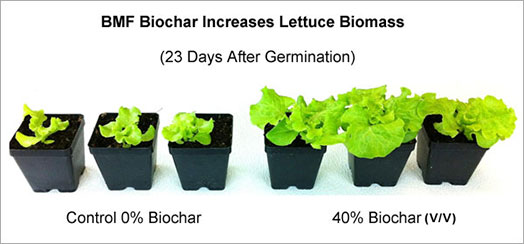
Moreover, biochar can enhance soil fertility and agricultural resilience. Farmers in various regions can use it as a means to improve soil structure, retain moisture during droughts, and bolster crop yields. These agronomic improvements may reduce the need for synthetic fertilizers and decrease agricultural runoff, both of which pose environmental hazards. Therefore, the potential economic viability of biochar, when combined with its environmental benefits, creates a compelling narrative for its adoption.
Debunking the Myths
Despite its many advantages, biochar is often shrouded in controversy. Some skeptics argue that the focus on biochar as a silver bullet distracts from more pressing systemic changes needed in our agricultural and energy systems. One argument suggests that the large-scale production of biochar may exacerbate existing issues related to land use. If entire forests or food production areas are repurposed for biomass feedstock to create biochar, this could lead to unintended ecological consequences.
Another concern revolves around the life-cycle emissions associated with biochar production. The pyrolysis process itself requires energy, and if that energy comes from fossil fuels, the net carbon savings could be minimal or even negative. Critics assert that biochar must be assessed not merely on its potential benefits but also on a comprehensive understanding of its environmental footprint.
Areas of Uncertainty
Research on biochar is burgeoning, yet it remains in its nascent stages. Results can be inconsistent; biochar’s effectiveness can vary dramatically depending on feedstock, pyrolysis temperature, and soil type. These variables complicate our understanding of its true potential. For instance, while certain types of biochar may enhance soil health in some contexts, they might not yield the same results elsewhere.
Moreover, the scalability of biochar production poses significant challenges. Can the technology for biochar production be practically and economically viable on a global scale? Will market mechanisms evolve to support its adoption amidst competing agricultural practices? These questions remain largely unanswered and warrant further scrutiny.
Biochar in Practice: Success Stories
Nonetheless, initiatives using biochar for climate change mitigation are already taking root across the globe. In regions where traditional agricultural practices are unsustainable, biochar has emerged as a beacon of hope. For instance, smallholder farmers in parts of Africa have reported increases in productivity when integrating biochar into their cropping systems, demonstrating its potential as a sustainable agricultural input.
In Brazil, biochar has been incorporated into land restoration projects, aiding in the recovery of degraded soils and contributing to reforestation efforts. Such case studies illustrate biochar’s adaptability and promise, but they also underscore the necessity of region-specific approaches tailored to local conditions.
A Call for Thoughtful Integration
As we reflect on the prospects of biochar as a climate change mitigation strategy, it becomes evident that this resource is neither a panacea nor a mere folly. Instead, biochar offers a nuanced mix of potential and pitfalls. It is imperative that stakeholders—ranging from farmers to policymakers—approach its integration thoughtfully, ensuring that its adoption complements broader sustainable agricultural practices and climate strategies.
Ultimately, biochar could be a valuable tool in our arsenal against climate change, but it must be woven into a fabric of diversified approaches that address agricultural sustainability, land use, and energy consumption. By fostering a comprehensive understanding of biochar’s efficacy, we can position ourselves closer to effective climate mitigation while nurturing the planet for generations to come.