As the world grapples with the pressing need for sustainable energy solutions, a curious contender has emerged in the arena of fossil fuel alternatives—biochar. But what exactly is biochar, and could it genuinely power a cleaner future? Let’s embark on an exploration of the remarkable properties of biochar, its potential as a substitute for fossil fuels, and the formidable challenges it faces along the way.
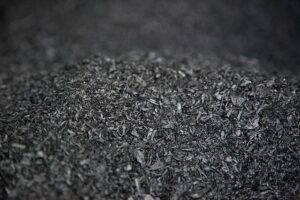
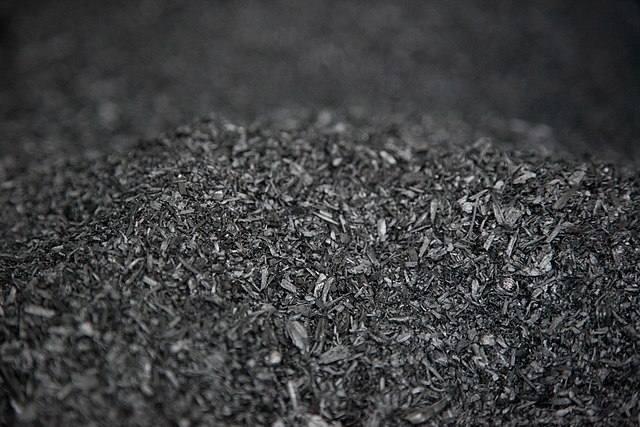
At its core, biochar is a carbon-rich substance produced through the pyrolysis of organic materials, such as agricultural residues, wood chips, or even municipal waste. This charring process involves heating the biomass in an oxygen-limited environment, which helps sequester carbon dioxide (CO₂) and retain the organic carbon content. The result? A solid, charcoal-like product that boasts a plethora of environmental benefits.
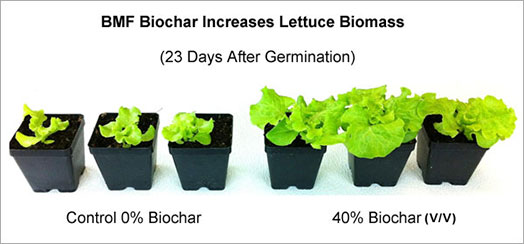
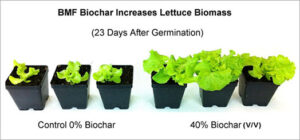
One outstanding characteristic of biochar is its ability to enhance soil health. When integrated into agricultural practices, it enriches the soil by improving nutrient retention, enhancing water retention capabilities, and fostering beneficial microbial ecosystems. An organic remedy for degraded soils, biochar ensures that the carbon remains locked away, significantly reducing greenhouse gas emissions and mitigating climate change effects. However, this leads us to an intriguing question: can biochar’s agricultural advantages translate into a viable alternative to conventional fossil fuels?
While hydrocarbon fuels are typically lauded for their high energy density, biochar holds promise as a cleaner alternative. Its combustion releases energy, albeit in a different capacity than fossil fuels. When burned, biochar produces fewer pollutants, leading to cleaner air and less environmental degradation. The pivotal aspect is its potential dichotomy: not only can biochar serve as a carbon-negative fuel source, but it can also facilitate carbon sequestration. Thus, the transition to biochar from fossil fuels presents a tantalizing prospect of not merely energy production, but a method for reducing atmospheric carbon levels.
Nevertheless, the dawn of biochar as a mainstream energy source raises significant challenges. First and foremost is scalability. The production of biochar at a magnitude capable of supplanting fossil fuel consumption necessitates immense quantities of biomass—an undertaking that could put additional pressure on the agricultural sector and land use. This prompts a critical examination: can we harvest sufficient organic material without compromising food security or biodiversity?
Moreover, while the energy yield of biochar from combustion and gasification is appealing, it still pales in comparison to that of traditional fossil fuels. The energy output per unit of biochar is significantly lower, necessitating an efficient system of production and use. Is society prepared to embrace a system designed to utilize biochar, possibly requiring shifts in industrial infrastructures and energy paradigms?
In tandem with these logistical obstacles, the market and governmental support necessary to foster biochar technology must be robust. Policymakers play a crucial role in regulating and promoting sustainable energy solutions, which raises the question of whether they will prioritize biochar or remain entrenched in fossil fuel-based systems. Investments in research, development, and public awareness surrounding its advantages can catalyze industry growth and innovation in biochar applications—especially emphasizing its potential role in carbon markets.
Notably, the biochar landscape has witnessed exciting advancements. Research into innovative production methods—such as slow pyrolysis and even microbial processes—aims to enhance efficiency and sustainability. The development of applications beyond energy production is also noteworthy; biochar’s integration into wastewater treatment, carbon sequestration, and as a feed additive divulges a wealth of possibilities for diversifying its utility.
In the context of climate change, biochar’s promise becomes even more compelling. The potential to mitigate CO₂ emissions while simultaneously augmenting soil health demonstrates biochar’s duality in tackling two formidable challenges we face today. Could it bridge the gap between energy needs and environmental stewardship? As climate-conscious consumers and stakeholders increasingly demand sustainable solutions, biochar may indeed find its footing amidst other renewables.
Yet, moving forward, it is essential to address misconceptions surrounding biochar. Its production processes must be transparent and developed sustainably to avoid the pitfalls of unsustainable biomass sourcing or other harm to ecosystems. Education surrounding proper utilization and integration into existing systems is paramount to unlocking biochar’s full potential. The journey towards adopting biochar as a significant energy player requires a collaborative effort among scientists, innovators, producers, and policymakers to reshape our energy landscape.
In contemplating the future, we arrive at this critical intersection: can biochar transition from an innovative concept to an intrinsic component of our energy portfolio? As we navigate this transition, grappling with its multifaceted attributes and potential downsides can help craft informed strategies for implementation.
Ultimately, biochar is not a panacea for the energy and environmental crises but rather a key player in an extensive ensemble seeking to redefine our relationship with energy production and consumption. Armed with creativity, determination, and strategic foresight, society may very well find itself powering a cleaner and greener future, where biochar and other sustainable practices flourish hand-in-hand. As we look forward, one thing is certain: the journey is just beginning, and the promise of biochar may yet illuminate paths previously left in the shadows of fossil fuel dependence.