In recent years, the gardening community has turned its collective attention towards an age-old practice that is resurging with vigor: biochar. This carbon-rich material, produced through the pyrolysis of organic matter, has captivated both amateur plant enthusiasts and seasoned horticulturists. But what exactly is biochar, and why is it becoming such a prized amendment in gardens across the globe? Aspiring green thumbs might find themselves asking: “Is this the secret ingredient that can transform my backyard into a veritable Eden, or merely a passing trend?” Let’s delve deep into the multifaceted world of biochar.
1. Understanding Biochar: The Basics
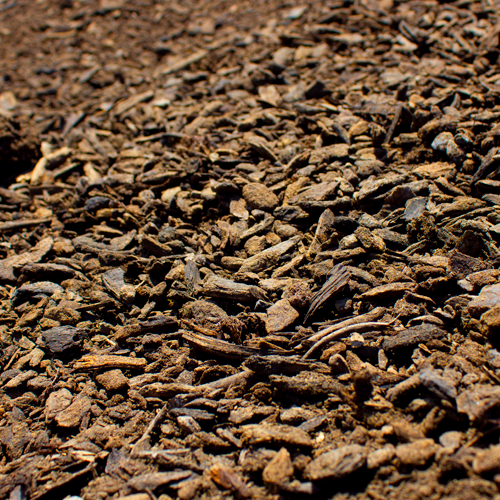
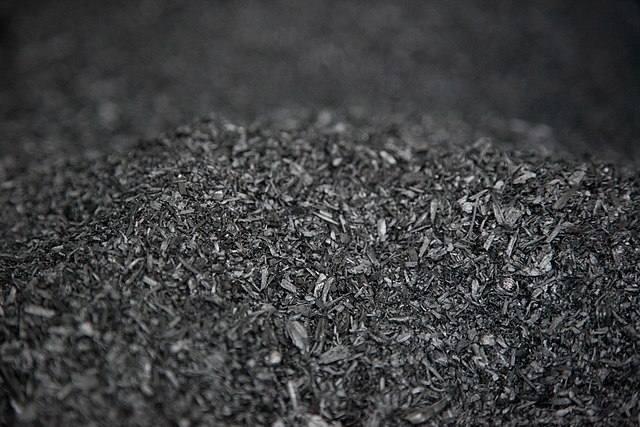
Biochar is created by heating organic material—like wood, leaves, or agricultural waste—under low oxygen conditions. This process, known as pyrolysis, preserves many of the nutrients and essential properties of the material while converting it into a stable form of carbon. The resulting product resembles charcoal and boasts a unique structure, with a high surface area and a plethora of microscopic pores that foster beneficial microbial life.
2. A Carbon Sequestering Miracle
Perhaps one of the most compelling reasons gardeners are paying attention to biochar is its potential role in carbon sequestration. In an era increasingly conscious of climate change, biochar presents itself as an ecological hero. By incorporating this stable form of carbon into soil, not only is carbon dioxide removed from the atmosphere, but it also provides long-lasting benefits to soil health. While traditional organic matter, like compost, decomposes relatively quickly, biochar can remain in the soil for centuries, contributing to sustainability efforts and enhancing soil fertility.
3. Enriching Soil Health
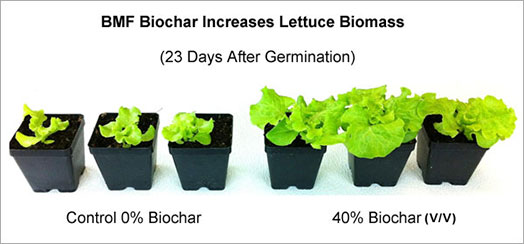
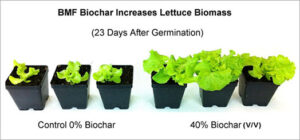
The porous nature of biochar doesn’t just retain carbon; it acts as a sponge for nutrients and water. When added to soil, biochar can improve its structure, aeration, and drainage. This means a more robust ecosystem for plants to thrive, as nutrients are held in the soil for longer periods and made more available to plant roots. Thus, gardeners are likely to witness improved growth, heightened yields, and increased resilience to drought, showcasing biochar’s multifaceted advantages.
4. The Symbiotic Relationship with Microorganisms
Microbial life in the soil flourishes in the presence of biochar, making it an invaluable ally for plant health. The porous structure provides habitat and sustenance for beneficial bacteria and fungi, which play crucial roles in the nutrient cycle. Instead of relying solely on chemical fertilizers, gardeners can create a more balanced and resilient soil ecosystem, combatting the challenges of pests and diseases more effectively. Who wouldn’t want a thriving community of microorganisms working behind the scenes to support their garden? However, introducing biochar isn’t without its pitfalls, which brings us to our next point.
5. The Challenges of Incorporating Biochar
While the allure of biochar is undeniable, gardeners need to approach its incorporation with caution. One of the primary challenges lies in the sourcing and quality of biochar itself. Not all biochar is created equal, as its properties can vary dramatically based on the feedstock and production methods. It is essential for gardeners to seek out high-quality biochar, rich in nutrients and produced sustainably. Furthermore, improperly applied biochar can lead to nutrient immobilization, where the addition of biochar temporarily ties up soil nutrients, making them unavailable to plants. Careful validation, sourcing, and application methods are critical to avoid these traps.
6. Practical Applications in the Garden
For gardeners keen on trying biochar, the appropriate application methods can make all the difference. Incorporating it into the soil before planting is often the best route. Mixing it with compost can also enhance its efficacy, boosting microbial activity and nutrient availability. Another innovative approach is to apply biochar as a top dressing; however, it should be noted that this method may require more frequent applications. Additionally, creating a ‘biochar tea’ can empower gardeners to infuse their soil with a concentration of nutrients brewed with biochar, adding yet another layer to their gardening arsenal.
7. The Future of Biochar in Horticulture
The future of biochar as a soil amendment looks promising. Current research continues to unveil new insights into its benefits and applications. As more gardeners become aware of its ecological advantages and horticultural potential, its usage is likely to solidify its status within sustainable gardening practices. With the ongoing quest for environmentally responsible solutions, biochar may firmly establish itself as a staple in the toolkits of gardeners eager to push towards a greener future.
8. Final Reflections: To Biochar or Not to Biochar?
As the awareness around biochar spreads, one question prevails: “Can my garden truly benefit from this emerging soil amendment?” The answer is multifaceted. Biochar offers a rich tapestry of possibilities that can enhance soil health and contribute to environmental sustainability. However, the journey is not without its uncertainties. Whether you’re nurturing a potted plant or cultivating a vast vegetable patch, exploring biochar could be the next significant leap in your gardening practice. In navigating this dynamic horticultural landscape, diligent research, cautious application, and a commitment to sustainable practices will inevitably lead to greener pastures and bountiful harvests.