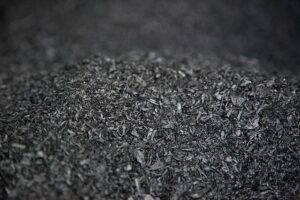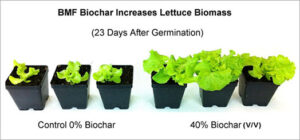
Biochar, a carbon-rich material created through the pyrolysis of organic matter, has emerged as a pivotal subject of interest in the realms of agriculture and environmental stewardship. As we delve into the formidable influence of biochar on plant growth—from the subterranean roots to the vibrant leaves—readers will discover a rich tapestry of benefits, mechanisms, and applications that underscore its significance in fostering a holistic ecosystem.
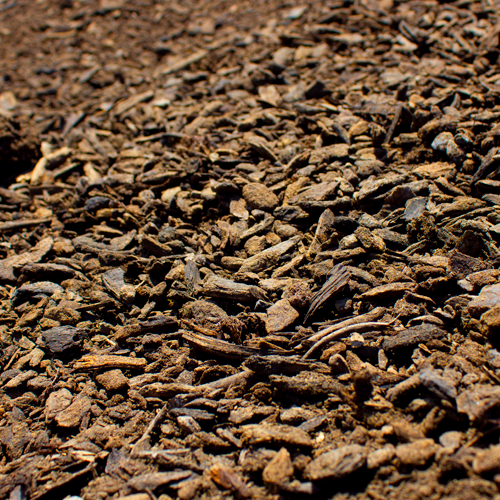
To comprehend the full spectrum of biochar’s impact, it is essential to first grasp its composition and production methods. Biochar is produced by heating organic materials—such as agricultural residues, manure, and wood—at high temperatures in an oxygen-limited environment. This process not only retains valuable nutrients but also enhances the material’s structural integrity, providing an ideal medium for microorganisms and plant roots. With such transformative properties, biochar’s role in the plant growth phenomenon is both intricate and profound.
1. Enhanced Soil Structure and Water Retention
The incorporation of biochar into soil significantly enhances its structure. The porous nature of biochar creates an ideally aerated environment that facilitates root development. These pores serve as reservoirs for water, allowing soil to retain moisture longer and providing plants with a consistent hydration source. This is particularly crucial in regions prone to drought, where every drop of water counts. Moreover, enhanced soil structure cultivates a conducive habitat for beneficial soil microorganisms, leading to improved nutrient availability.
2. Nutrient Availability and Retention
Biochar is rich in nutrients such as potassium, phosphorus, and calcium, which are essential for plant growth. When applied to soil, it acts akin to a slow-release fertilizer, gradually imparting these nutrients to plants over time. The electric charge of biochar also plays a pivotal role; it attracts and retains positively charged nutrients like ammonium and calcium, reducing leaching and ensuring that plants can access them when needed. As a result, biochar not only improves nutrient dynamics but also stimulates beneficial microbial activity that further supports plant health.
3. Microbial Activity and Soil Biodiversity
The introduction of biochar into soil ecosystems fosters a diverse array of microbial life. These microbes, including bacteria and fungi, are instrumental in nutrient cycling, disease suppression, and organic matter decomposition. Biochar provides a habitat for these microorganisms, which enhances their activity and proliferation. This symbiotic relationship cultivates a resilient soil ecosystem where plants can thrive. Furthermore, certain species of mycorrhizal fungi form beneficial associations with plant roots, significantly enhancing nutrient absorption capacity, especially in the case of phosphorus, which is often immobile in the soil.
4. Environmental Impact and Carbon Sequestration
Biochar not only benefits plant growth but also contributes positively to environmental sustainability. Its production is a carbon-negative process—this means that it sequesters carbon and mitigates greenhouse gas emissions. When incorporated into soil, biochar can remain stable for hundreds to thousands of years, ultimately reducing the amount of carbon dioxide in the atmosphere. This long-term carbon storage capability is an essential element in combating climate change. As global warming becomes an increasingly pressing concern, the role of biochar as a climate adaptation tool becomes apparent.
5. Practical Applications in Diverse Agricultural Systems
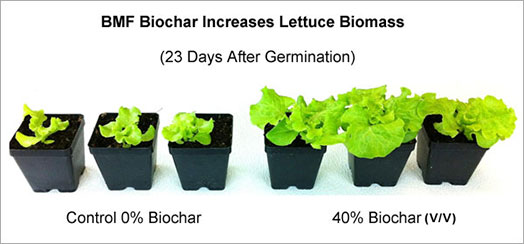
Biochar’s versatility allows for its application across various agricultural systems, from conventional to organic farming. By using biochar in crop rotation systems, farmers can enhance soil fertility and crop resilience. Furthermore, it supports sustainable practices by reducing the need for synthetic fertilizers and chemical amendments. In horticulture, biochar can improve soil conditions for ornamental plants and fruit-bearing crops, enhancing growth rates and yields. For agroforestry systems, biochar contributes to soil health while promoting tree growth and biodiversity.
6. The Future of Biochar in Sustainable Agriculture
As the world grapples with the dual challenges of food security and climate change, biochar emerges as a crucial ally in the pursuit of sustainable agriculture. Ongoing research continues to unveil its myriad benefits, with innovative approaches such as biochar-enriched compost, which blend the advantages of organic matter and biochar. Moreover, as more farmers embrace regenerative practices, the potential for biochar utilization is boundless. It supports not only the enhancement of crop productivity but also the maintenance of an ecological balance.
Conclusion: A Multifaceted Ally in Plant Growth
In conclusion, biochar represents a multifaceted and dynamic solution to enhancing plant growth from root to leaf. Its influence spans numerous dimensions—from enriching soil structure and nutrient supply to fostering a vibrant microbial community and contributing to climate resilience. As the agricultural landscape continues to evolve, embracing biochar as a fundamental component of sustainable practices serves not only the plants but also the planet. By understanding the intricate mechanisms through which biochar operates, growers, researchers, and policymakers can harness its potential to cultivate a greener, more sustainable future.