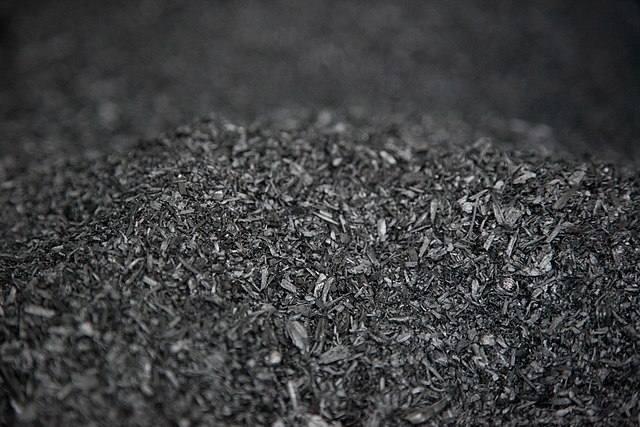
Biochar, a carbon-rich material produced from biomass pyrolysis, has increasingly garnered attention for its potential to improve soil health, sequester carbon, and enhance agricultural productivity. Yet, the true allure of biochar transcends mere functional benefits. Farmers, scientists, and environmentalists alike are captivated by its multifaceted capabilities and the myriad ways it can be combined with various additives and blended with other organic materials, leading to exciting innovations in sustainable agriculture.
Understanding the impact of biochar on soil requires a multifarious approach. At its core, biochar is a porous substance that not only improves soil aeration and moisture retention but also serves as an essential habitat for beneficial microorganisms. These microorganisms are instrumental in nutrient cycling, enhancing the soil’s overall fertility. Yet, while biochar alone proves beneficial, its efficacy can be significantly amplified when incorporated with specific blends and additives.
The Science Behind Biochar Blends
Combining biochar with various organic materials or fertilizers can enhance its capabilities. The interaction between biochar and these additives contributes to a reimagining of conventional agricultural practices. The fusion of biochar with compost, for example, elevates the nutrient density of the soil through the synergistic action of both materials—the compost provides essential nutrients while biochar enhances the soil’s structure, resulting in a veritable cornucopia of benefits.
Additionally, melding biochar with traditional organic fertilizers not only optimizes nutrient retention but also mitigates the volatility of nitrogen, a critical element often lost through leaching. This stability, achieved through biochar’s unique physical and chemical properties, offers farmers a cost-effective solution, increasing both crop yield and sustainability.
Types of Biochar Additives
Several additives enrich biochar blends, optimizing their impact on soil health:
- Compost: A potent additive that enriches soil with organic matter and beneficial microorganisms. The combination enhances microbial activity, promoting robust plant growth.
- Biological Amendments: Incorporating mycorrhizal fungi or beneficial bacteria with biochar has shown to significantly augment plant nutrient uptake. The enhanced symbiosis between plants and soil microbes leads to improved resilience against diseases.
- Mineral Supplements: Adding minerals like rock phosphate or gypsum can counteract deficiencies in soils, while biochar acts as a reservoir, maintaining these vital nutrients over time.
- Moisture Retention Agents: Blending biochar with materials that retain moisture, such as coir or expanded clay aggregates, can lead to improved water use efficiency, especially in arid regions.
- Organic Residues: Mixing with residues from crops like legumes or other green manure can enhance nutrient cycling, creating a dynamic nutrient hub in the soil.
Implementing Biochar Blends in Agricultural Practices
The agricultural community’s transition to biochar blends requires careful planning and experimentation. Understanding soil type, crop requirements, and the specific properties of biochar and its additives is of paramount importance when creating effective blends. Farmers must adopt a holistic approach, ensuring that the process of integrating biochar into their practices is informed by meticulous research and real-time observations in the field.
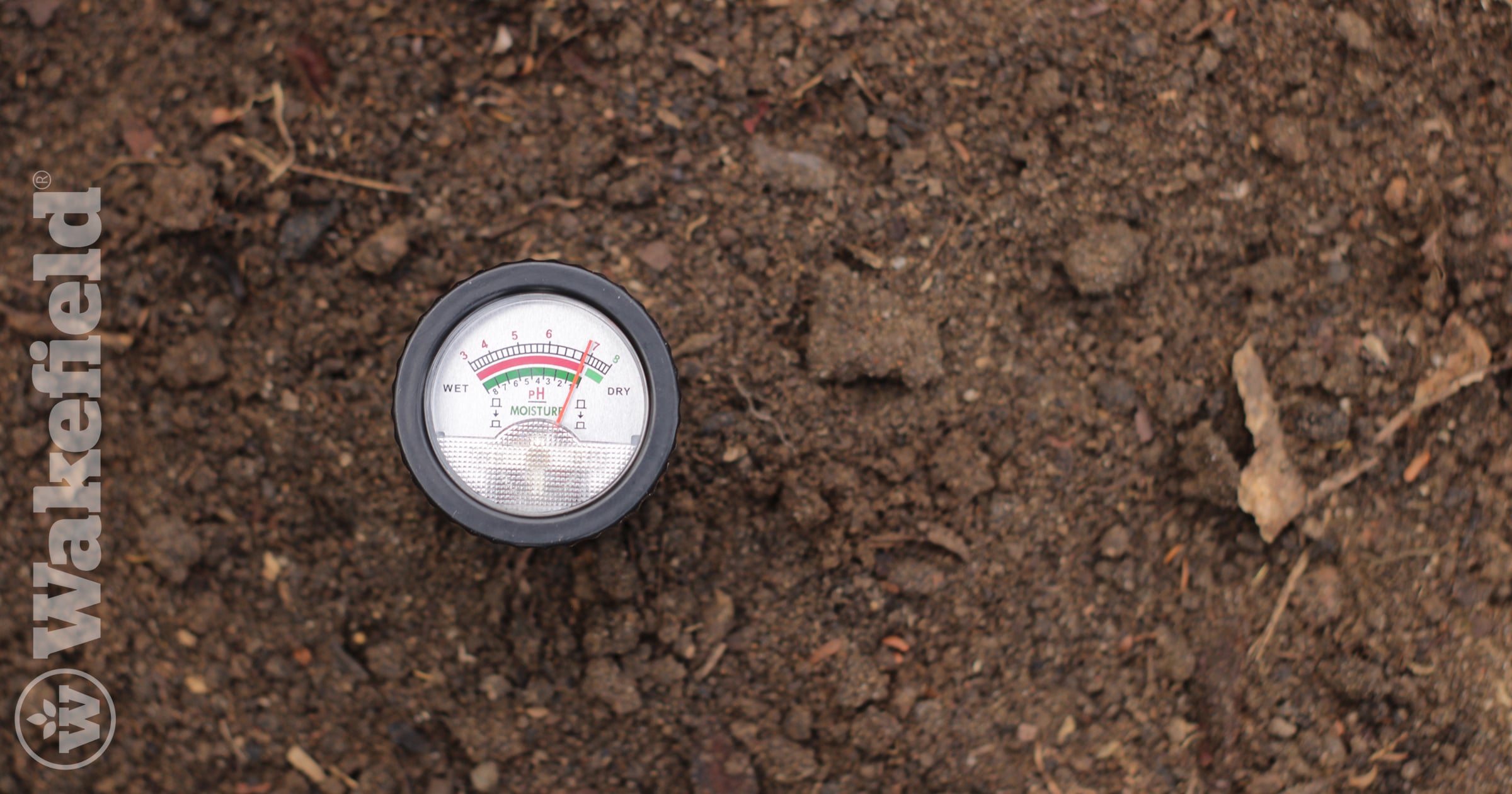
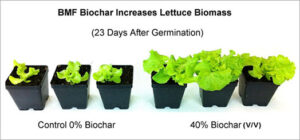
Field trials reveal that the application rates of biochar and its blends can vary widely based on individual crop demands and soil conditions. Optimal rates may range from 5% to 20% biochar by volume, with the potential for fine-tuning based on specific environmental factors. An initial assessment of soil pH, nutrients, and structure will guide farmers in determining the right blend.
The Economic and Environmental Implications
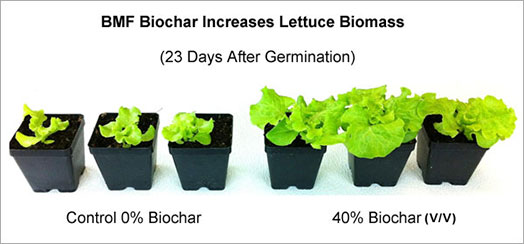
The economic benefits of utilizing biochar blends are profound. Crop yields can improve markedly through optimized nutrient delivery systems, leading to increased farmer profits. Moreover, by enhancing soil fertility and structure, biochar contributes to the long-term health of agricultural systems, reducing reliance on chemical fertilizers that can be financially burdensome and environmentally harmful.
Environmentally, the implications are equally significant. Biochar’s capacity to sequester carbon persists for hundreds to thousands of years, creating a long-term reservoir of carbon that mitigates climate change. As the world grapples with escalating environmental challenges, this biochar boon presents a uniquely attractive option for sustainable agriculture.
Community Engagement and Future Perspectives
As interdisciplinary research continues to reveal more about the interplay between biochar, its additives, and soil health, the agricultural community stands on the brink of a transformative era. Biochar blends represent an exciting convergence of environmental sustainability and agricultural productivity, promising a sustainable future while captivating the imagination with their myriad applications.
From its scientific foundation to its practical implementations, biochar and its array of blends and additives epitomize the innovative spirit within the realm of sustainable agriculture. Its intricate complexities evoke fascination, highlighting the remarkable potential for positive change in our relationship with the land.