In recent years, the conversation surrounding climate change has intensified, leading to a surge in interest in innovative solutions for carbon removal. One such solution, often lauded in environmental circles, is biochar. However, amidst the growing hype, it becomes crucial to distinguish between the potential benefits and genuine efficiencies of biochar in the realm of carbon sequestration. This article delves deeply into biochar carbon removal, separating fact from fiction, and elucidating the multifaceted dimensions of this intriguing substance.
What is Biochar?
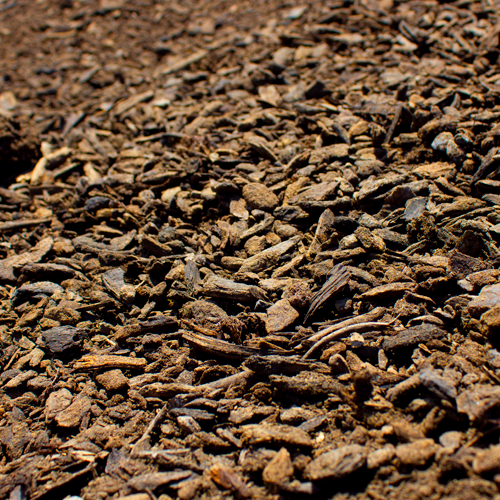
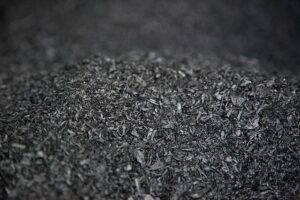
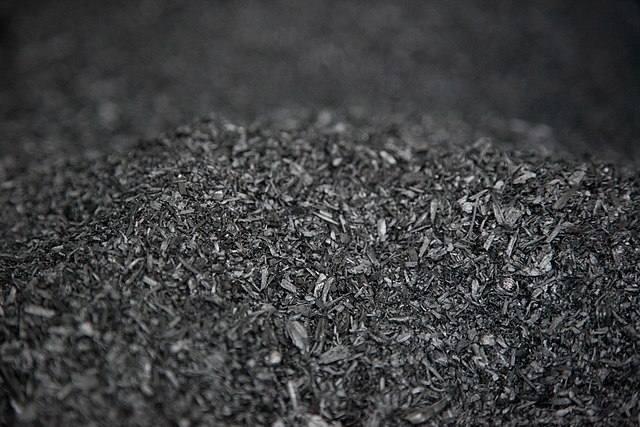
Biochar is a carbon-rich byproduct produced through the pyrolysis of organic materials, such as agricultural waste and forestry residues. This process involves heating biomass in a low-oxygen environment, which transforms it into a stable form of carbon. The allure of biochar lies in its dual capability: it sequesters carbon while simultaneously enhancing soil health. However, understanding the nuances of biochar requires an examination of its production processes, ecological impacts, and long-term viability.
The Production Process
The method of producing biochar can significantly influence its carbon content and agronomic effectiveness. Various feedstocks—from manure to wood chips—can be utilized, each offering unique properties that affect the final product. The pyrolysis temperature ranges from 300°C to 900°C, dictating the characteristics of the biochar. Lower temperatures yield biochar with more volatile compounds, while higher temperatures favor stable carbon structures, promoting longer-lasting sequestration potential.
Types of Biochar
Biochar can be classified into several categories based on its source material, production technique, and intended use. Each type showcases distinct qualities:
- Agroforestry Biochar: Derived from agricultural residues, this type enhances soil fertility and promotes sustainable farming practices.
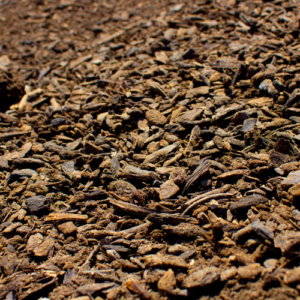
- Wood Biochar: Produced from hardwood or softwood sources, it is often used in gardening due to its high charcoal content.
- Manure Biochar: Created from livestock waste, this variety offers additional nutrients to the soil while addressing waste management issues.
- Others: Advanced techniques, like hydrochar, incorporate wet-feed stocks (e.g., slurry) to create biochar through hydrothermal carbonization.
The Role of Biochar in Carbon Removal
Proponents of biochar fervently argue that it can contribute significantly to carbon sequestration. By sequestering carbon, biochar could potentially mitigate atmospheric carbon dioxide levels, thereby combating global warming. The stability of biochar, retaining carbon for thousands of years under appropriate conditions, is a key factor in this equation. Nevertheless, some skeptics question if its contribution to mitigating climate change could be overestimated.
Potential Benefits Beyond Carbon Sequestration
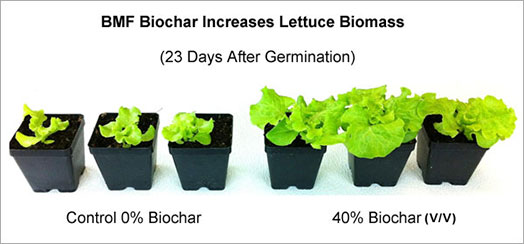
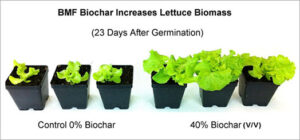
The virtues of biochar extend beyond its role as a carbon sink. When integrated into soil, it improves properties such as nutrient retention, water retention, and microbial activity. This leads to enhanced agricultural productivity and soil health. Biochar can also help mitigate the effects of soil acidity, further promoting improved plant growth. Therefore, in addition to its carbon removal capabilities, biochar presents an opportunity for agroecological advancement.
The Environmental Impact: Ecological Concerns
However, the production and application of biochar are not without controversy. Extensive land use for biomass production can lead to deforestation and displacement of local communities. The extraction of organic materials, particularly in developing regions, raises ethical and environmental questions. Furthermore, if biochar is not produced sustainably, it can result in emissions of greenhouse gases and particulate matter during pyrolysis.
Economic Viability
The financial landscape surrounding biochar production and application is complex. While the potential market for biochar is promising, it faces challenges related to scaling production and distribution. Investment in biochar production facilities, often requiring significant capital, can deter small-scale farmers from adopting this practice. Additionally, the relative cost-effectiveness of biochar compared to other carbon capture technologies remains a pivotal question in determining its place in the broader climate change solution set.
Debunking Common Myths
In the cacophony of voices advocating for or against biochar, numerous myths have proliferated. Some claim that biochar is a panacea for soil health, while others contend that it is a mere gimmick. To clarify, while biochar offers advantages, its effectiveness is context-dependent. It is not a one-size-fits-all solution and should complement other sustainable practices rather than replace them.
Future Perspectives
As we stare into the future, the discourse surrounding biochar carbon removal must evolve. Moving forward, stakeholders—including scientists, agronomists, policymakers, and farmers—can work collaboratively to establish research agendas that rigorously analyze the potential and limitations of biochar in both agricultural and environmental contexts. Developing standardized protocols for biochar production and application will also be paramount in maximizing its benefits while mitigating negative impacts.
In conclusion, biochar stands at the intersection of hope and skepticism within the realm of climate solutions. Though it harbors immense promise for carbon removal and soil enhancement, careful consideration must prevail. By disentangling the hype from actionable insights, we can harness the power of biochar—ensuring that it serves as a constructive component of a multifaceted approach to climate change mitigation.