In the ongoing battle against climate change, various methods and technologies are hailed as saviors, yet one potential hero often flies under the radar: biochar. This charcoal-like substance formed from organic matter is gaining traction not only for its carbon storage capabilities but also for its multifaceted benefits that extend beyond climate mitigation. Understanding biochar’s role in carbon removal and its broader implications can illuminate why this unsung hero might just be one of our most potent allies in the climate fight.
The Genesis of Biochar: An Ancient Solution with Modern Implications
Biochar is not an entirely new concept; its roots trace back to ancient civilizations, particularly the indigenous peoples of the Amazon rainforest. They created terra preta, or “black earth,” which displays remarkable fertility due to its organic materials. This historical context reveals an intriguing juxtaposition: a time-tested technique is being resurrected to address contemporary ecological challenges. As society grapples with escalating carbon concentrations, biochar serves both as a potential solution and a link to our ecological heritage.
How Biochar Works: The Magic of Carbon Capture
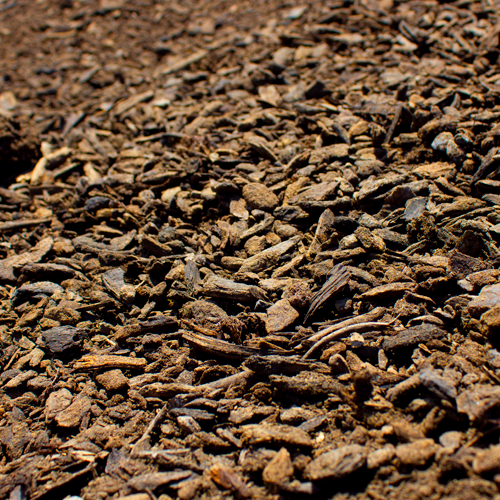
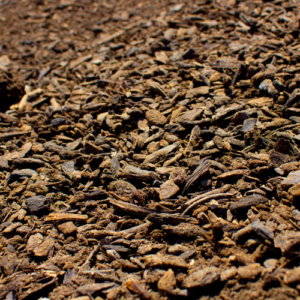
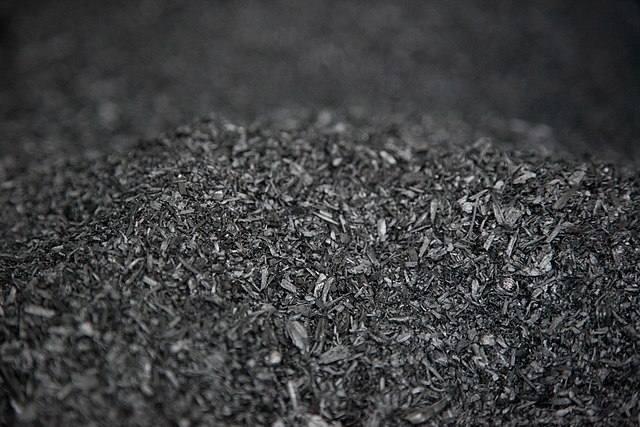
The charisma of biochar lies in its structure. Produced through pyrolysis—where organic materials like wood, manure, or agricultural residues are heated in the absence of oxygen—it undergoes a transformation that renders it stable. This labor-intensive process converts these materials into a carbon-rich powder that can store carbon for centuries, sometimes even millennia. Such durability plays a crucial role in mitigating climate change since it effectively sequesters carbon that would otherwise contribute to the greenhouse gas inventory.
Moreover, the porous nature of biochar provides an ideal habitat for beneficial microorganisms, enhancing soil health. This unique interaction not only bolsters soil fertility but also reduces the need for chemical fertilizers, which are notorious for their emissions. Hence, biochar serves two critical functions: it captures carbon dioxide and enhances agricultural productivity.
The Benefits Beyond Carbon Sequestration
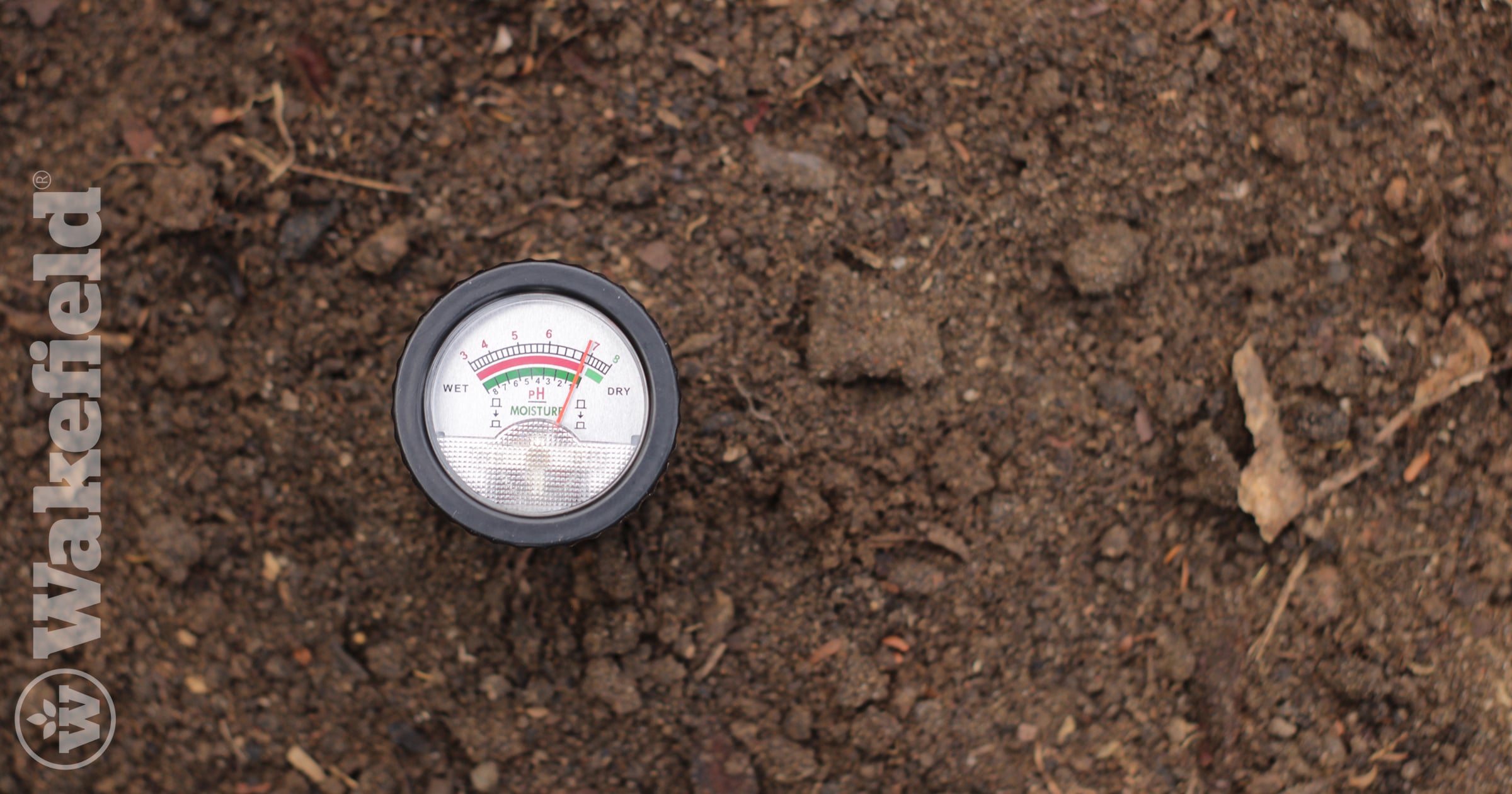
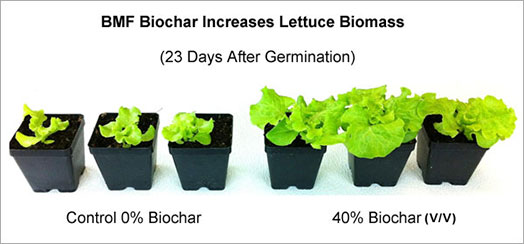
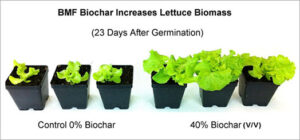
While the primary allure of biochar is its ability to sequester carbon, its benefits extend far beyond mere carbon storage. One of its most compelling attributes is the amelioration of soil properties. When incorporated into soil, biochar can improve water retention and drainage, promote nutrient cycling, and alter pH levels. The improved soil conditions foster robust plant growth, ultimately leading to increased agricultural yields.
Additionally, biochar can significantly mitigate soil erosion. The increased stability of topsoil not only supports sustainable farming practices but also conserves biodiversity. This interplay between biochar and the environment underlines a synergy that could redefine land management practices. As farmers and landowners become increasingly aware of these benefits, biochar adoption could see exponential growth.
Biochar and Waste Management: Recycling for a Greener Planet
The production of biochar presents an intriguing angle to waste management. Agricultural waste, food scraps, and even forestry residues often end up in landfills, contributing to methane emissions—a potent greenhouse gas. Converting these materials into biochar presents a sustainable alternative, effectively recycling waste while curbing emissions. This circular approach not only promotes resource efficiency but also aligns with the principles of a circular economy.
Challenges on the Road to Widespread Adoption
Despite its myriad benefits, the path to mainstream adoption of biochar is fraught with challenges. One significant barrier is the initial cost of production, especially at industrial scales. The pyrolysis equipment is not yet widely available, and establishing biochar production facilities requires substantial investment. Moreover, there is an imperative need for comprehensive research and data to substantiate the long-term effects of biochar application across different soil types and ecosystems.
Another challenge lies in regulatory frameworks and public perception. With the market still nascent, misinformation and skepticism may hinder acceptance. Education and advocacy will be crucial in transitioning biochar from a niche solution into a vital component of climate strategy. Encouraging collaborations among scientists, policymakers, and the agricultural community could bridge this gap, facilitating a holistic approach to implementation.
The Future of Biochar: A Sustainable Legacy
Looking ahead, one cannot help but feel a profound sense of hope about biochar’s potential to contribute to a more sustainable world. As innovations in pyrolysis technology evolve and costs decrease, biochar can gradually become more accessible to small-scale farmers and urban communities alike. The growing momentum towards regenerative agriculture lends further credence to the relevance of biochar in contemporary agricultural practices.
Moreover, with increasing attention on carbon credits and sustainable practices, biochar could emerge as a valued commodity in the carbon market. Farmers and landowners may be incentivized to adopt biochar practices not only for soil health but also as a means of revenue generation through carbon credits, thereby creating a win-win scenario. This paradigm shift symbolizes an influential collaboration between environmental stewardship and economic sustainability.
Conclusion: A Call to Action for the Unsung Hero
In the grander narrative of climate change solutions, biochar embodies the unsung hero—capable of performing many roles and simultaneously addressing several issues. Its ability to sequester carbon, regenerate soil health, and transform waste into value positions biochar as a multifaceted solution that deserves heightened recognition. As we collectively embrace various tools and strategies in our fight against climate change, biochar beckons attention, advocacy, and above all, action. In doing so, we harness not just a product, but a potent ally in crafting a sustainable future for generations to come.