Biochar has moved from an obscure agricultural curiosity to a well-recognized material at the forefront of climate resilience, soil revitalization, and environmental engineering. Its increasing relevance invites a deeper understanding of what makes biochar such a distinctive and multifunctional substance. Beneath its dark, unassuming surface lies a sophisticated constellation of chemical and physical attributes that determine its behavior, durability, and ecological value. Exploring these attributes promises a shift in perspective and piques curiosity about how biochar truly functions at the microscopic and molecular levels.
The Structural Foundations of Biochar
Porosity and Internal Architecture
One of biochar’s most defining physical characteristics is its highly porous architecture. These pores—macropores, mesopores, and micropores—form during pyrolysis as volatile compounds escape the biomass. The result is a labyrinth-like internal structure resembling a carbon sponge.
This elevated porosity enhances water retention, provides habitat for beneficial soil microorganisms, and facilitates nutrient exchange. The pore network also influences microbial colonization patterns, making biochar a powerful biological catalyst in soil ecosystems.
Surface Area and Adsorptive Potential
Closely connected to porosity is surface area, which can vary dramatically based on feedstock type and pyrolysis temperature. High-temperature biochar often demonstrates significantly expanded surface area due to more complete volatilization and carbon restructuring.
A high surface area increases the material’s adsorptive capabilities, allowing biochar to immobilize heavy metals, pesticides, and organic pollutants. This property is foundational to its use in water purification, wastewater treatment, and bioremediation.
Particle Morphology and Mechanical Stability
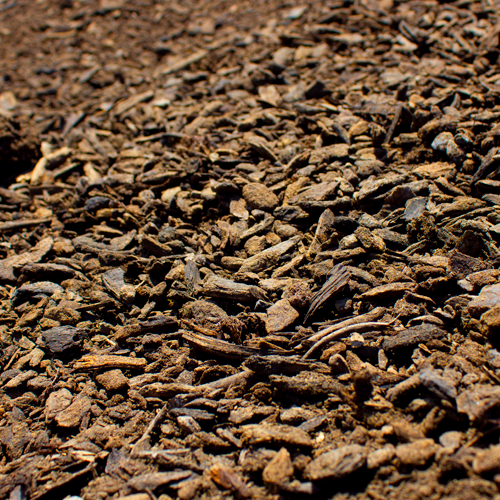
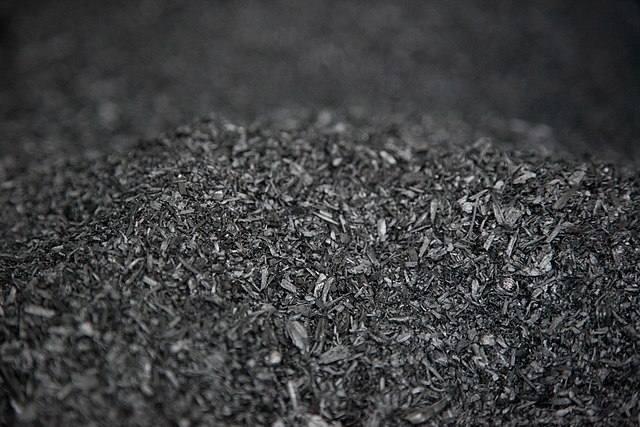
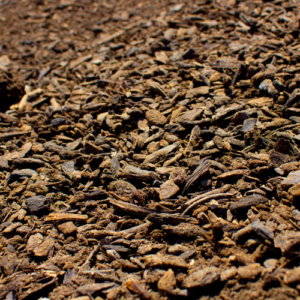
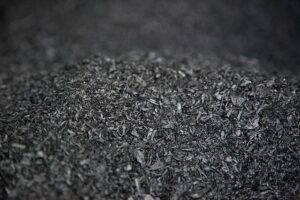
Biochar particles typically maintain the original shape of their feedstocks but become more fragile and brittle due to internal carbonization. Nonetheless, their structural integrity is robust enough to persist in soils for centuries. This stability is tied to the material’s aromatic carbon rings—resilient configurations that resist biological decomposition and chemical breakdown.
Chemical Composition and Functional Group Dynamics
Aromatic Carbon Matrix
The chemical heart of biochar lies in its aromatic carbon structure, composed of stable polyaromatic rings that emerge during pyrolysis. These structures greatly enhance carbon permanence, allowing biochar to serve as a long-term carbon sink.
Aromaticity is strongly influenced by pyrolysis temperature. Low-temperature biochar contains more oxygen-rich groups, whereas high-temperature biochar becomes increasingly aromatic and structurally condensed.
Ash Content and Mineral Composition
Biochar contains mineral ash derived from the inorganic fraction of biomass. This ash may include calcium, potassium, magnesium, and trace micronutrients. These minerals contribute to soil fertility when biochar is applied agriculturally.
Ash content varies based on feedstock; for example, manure-based biochars have significantly higher mineral content than wood-derived biochars. These minerals can influence soil pH, nutrient cycling, and overall soil chemistry.
Functional Groups and Surface Chemistry
The surface of biochar contains functional groups such as carboxyl, hydroxyl, and carbonyl. These groups interact with soil nutrients, water molecules, and metal ions, directly influencing the material’s cation exchange capacity (CEC).
High CEC allows biochar to hold positively charged nutrients like potassium, ammonium, and magnesium, preventing leaching and improving nutrient availability. Biochar’s surface chemistry also affects its reactivity with soil organic matter, microbial secretions, and root exudates.
pH and Alkalinity Profiles
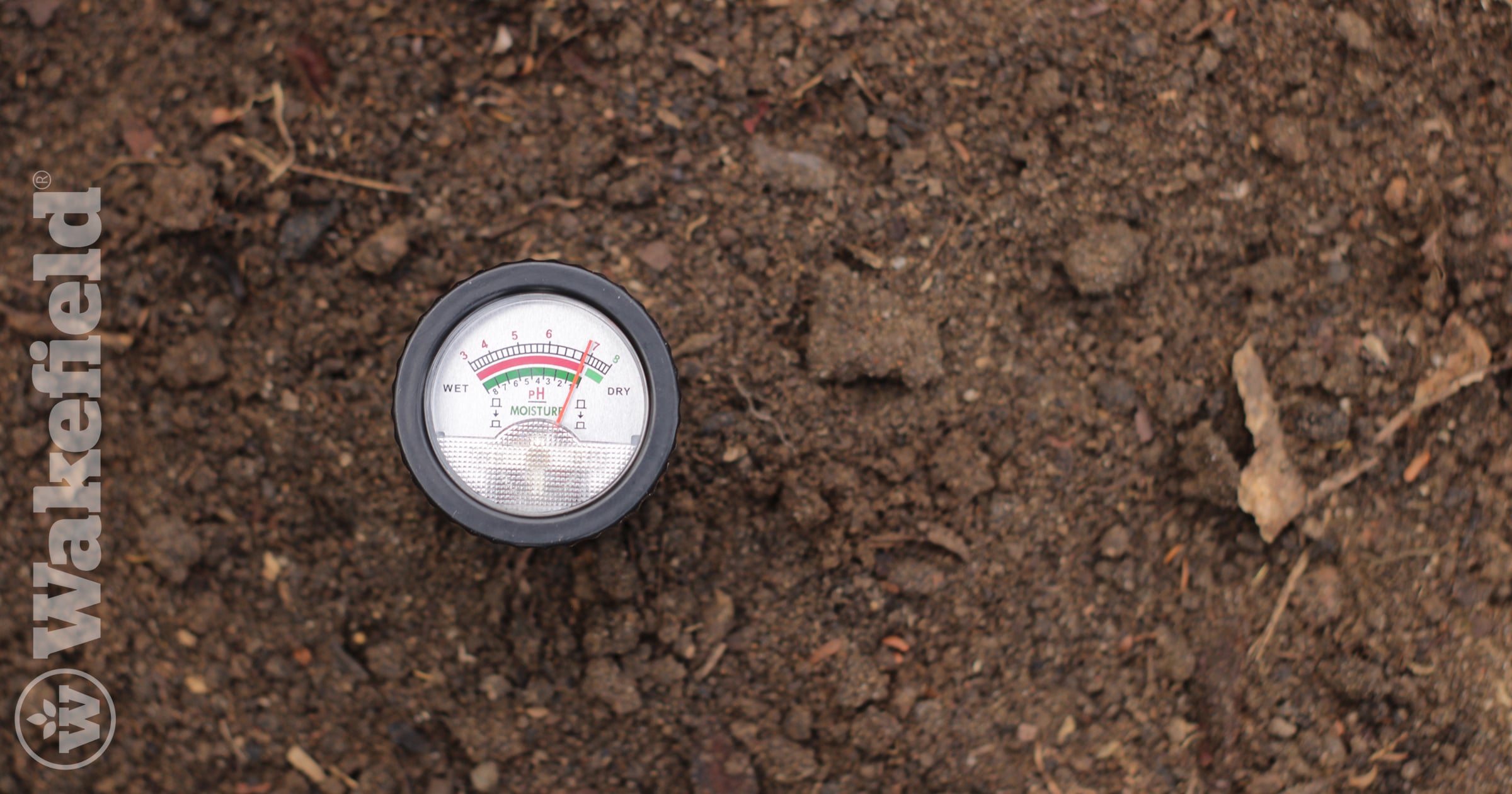
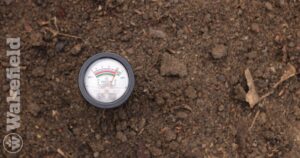
Most biochars are alkaline due to their mineral ash content. This alkalinity can help neutralize acidic soils, increasing agricultural productivity in regions with naturally low soil pH. The degree of alkalinity depends on feedstock and pyrolysis conditions; plant residues often produce more alkaline biochar than woody materials.
Environmental and Functional Implications of Biochar Properties
Soil Interaction and Microbial Enhancement
Biochar’s porous structure, large surface area, and functional groups combine to create a highly supportive environment for microbial life. Soil organisms such as fungi, bacteria, and archaea inhabit biochar’s pores, using them as refuges and growth chambers.
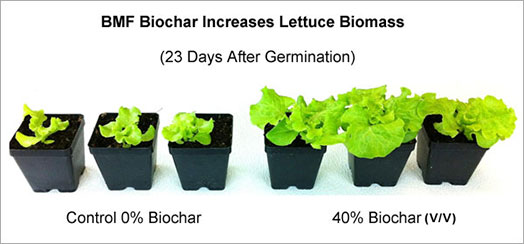
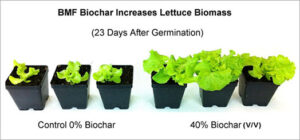
This symbiosis boosts soil resilience and fertility. Microbial communities help break down organic matter, release nutrients, and stimulate root growth. Biochar essentially acts as a microbial accelerator that enhances overall soil ecosystem function.
Water Retention and Contaminant Adsorption
In water-scarce environments, biochar’s ability to enhance soil moisture retention is invaluable. Its internal cavities store water that becomes accessible to plant roots during dry periods.
At the same time, biochar’s adsorptive surfaces immobilize harmful compounds such as lead, cadmium, and organic pollutants. This makes biochar a versatile tool for rehabilitating contaminated soils and improving water quality in agricultural and industrial settings.
Longevity and Resistance to Decomposition
Due to its aromatic carbon matrix, biochar is extraordinarily resistant to decomposition. Studies indicate that biochar can remain stable in soils for hundreds to thousands of years. This longevity directly supports its role in carbon sequestration, offering a tangible solution for long-term carbon storage.
The resistance also means that biochar continues providing soil benefits long after application, acting as a persistent soil enhancer rather than a temporary amendment.
Climate Relevance and Carbon Sequestration
Biochar’s stability plays a crucial role in global climate strategies. When biomass decomposes naturally, it releases carbon dioxide and methane. By converting biomass into biochar through pyrolysis, that carbon becomes locked into a durable solid form.
This process not only prevents carbon release but also creates a soil amendment that enhances resilience. Biochar effectively transforms agricultural and forestry waste into a climate asset.
Conclusion
Biochar’s chemical and physical properties reveal a complex and highly functional material with broad applications across agriculture, environmental restoration, and climate mitigation. Its porous architecture, high surface area, stable aromatic carbon, and rich mineral composition contribute to its unparalleled performance in improving soil structure, retaining nutrients, enhancing microbial activity, and sequestering carbon for the long term.
Understanding these characteristics provides clarity on why biochar is rapidly gaining global adoption. Its scientific foundations demonstrate that it is far more than charred biomass; it is a sophisticated tool forged at the intersection of biology, chemistry, and sustainability.
References
- Lehmann, J., & Joseph, S. (2015). Biochar for Environmental Management: Science, Technology and Implementation. Routledge.
- International Biochar Initiative (2020). Standardized Product Definition and Testing Guidelines for Biochar.
- Woolf, D., Amonette, J., & Street-Perrott, F. (2010). Sustainable biochar to mitigate global climate change. Nature Communications.
- Downie, A., Crosky, A., & Munroe, P. (2009). Physical and Chemical Properties of Biochar. In: Biochar for Environmental Management.