In the realm of sustainable agriculture and climate change mitigation, few innovations elicit as much intrigue as biochar. This carbon-rich material, produced through the thermochemical conversion of organic matter, has emerged as an essential tool with profound implications for soil health and environmental sustainability. Yet, as interest grows, so too does the need for clarity and classification in its myriad forms. Enter the Biochar Classification Tool, an innovative framework designed to stratify biochar based on its properties and applications. Understanding how this tool functions and its significance within the broader ecological conversation is paramount for researchers, farmers, and environmental advocates alike.
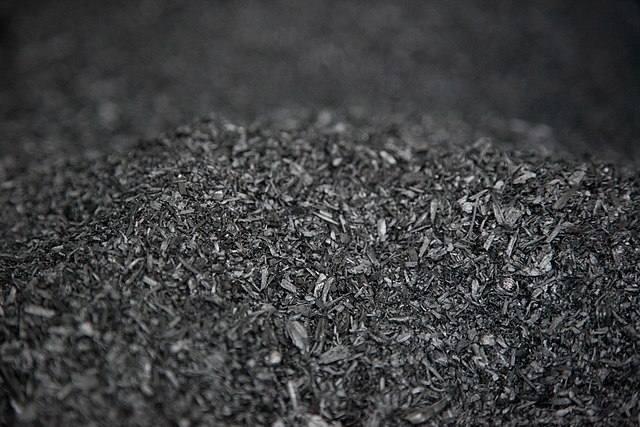
First and foremost, it is essential to understand what biochar is and how it is produced. Generated through a process known as pyrolysis, biochar is created by heating organic materials—such as agricultural residues, forestry waste, or even animal manure—in an oxygen-limited environment. This process not only yields biochar but also generates bioenergy in the form of syngas and bio-oil. The properties of the resulting biochar depend heavily on the feedstock used and the specifics of the pyrolysis process. This variability sets the stage for the necessity of a robust classification tool that can discern the diverse types and qualities of biochar.
The Biochar Classification Tool operates on several parameters, including feedstock type, production method, and physical and chemical properties of the resulting biochar. Feedstock type can significantly influence the pH, nutrient content, and surface area of biochar. For instance, biochars derived from hardwood feedstocks typically exhibit higher carbon stability and surface area compared to those produced from softwoods or agricultural residues. The classification tool allows stakeholders to identify which types of biochar are best suited for specific applications — whether that’s enriching soil fertility, enhancing carbon sequestration, or improving water retention.
Moreover, the production method—whether it’s slow pyrolysis, fast pyrolysis, or gasification—also affects the characteristics of the biochar. Each method varies in temperature, duration, and the presence of oxygen, thereby influencing the material’s porosity and composition. By delineating these distinctions, the classification tool facilitates a nuanced understanding of how different production techniques can optimize biochar for desired outcomes. Ultimately, the classification tool provides a systematic approach to biochar, which is otherwise an enigmatic substance to many.
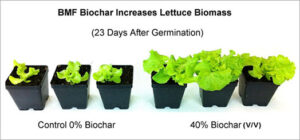
The significance of the Biochar Classification Tool extends beyond mere categorization. In an era where regenerative practices are increasingly critical, the proper application of biochar not only enriches soils but also plays an instrumental role in climate change mitigation. Biochar sequesters carbon in a stable form, preventing its release back into the atmosphere. The mere act of classifying biochar is akin to unlocking a treasure trove of ecological benefits that can rejuvenate depleted soils, enhance crop yields, and improve water management practices.
An exploration of the practical applications of the Biochar Classification Tool reveals how its implementation can lead to transformative agricultural practices. Farmers and agronomists can utilize this tool to select the most effective type of biochar for their specific crop needs. For example, some biochars may be particularly effective for acidic soils, while others might be tailored to enhance alkaline conditions. This granularity empowers agricultural ecosystems, leading to optimized resource management and enhanced sustainability.
Furthermore, the classification tool also encompasses the concept of biochar quality, which has generated considerable debate among researchers. High-quality biochar, characterized by a high carbon content and low volatile ash, provides distinct agronomic benefits. The classification tool provides an essential reference point that helps users evaluate biochar quality and its appropriateness for a given scenario. By arbitrating between various levels of quality, practitioners can maximize the effectiveness of biochar in combating soil degradation and promoting healthy crop growth.
Another cornerstone of the Biochar Classification Tool is its role in policy-making and standards development. As biochar emerges as a valuable instrument for carbon trading and climate resilience strategies, understanding its classifications helps regulators establish guidelines for its use and application. By integrating scientific knowledge with regulatory frameworks, a cohesive approach can be developed that benefits both the environment and agricultural productivity.
An element that cannot be overlooked when discussing the importance of biochar classification is its potential impact on community engagement and education. Increased awareness and understanding of biochar can stimulate local economies by promoting innovative agricultural practices and environmental stewardship. As farmers and community leaders gain knowledge about the potential benefits of biochar, they may be more inclined to adopt sustainable practices that lead to healthier ecosystems.
Moreover, the Biochar Classification Tool serves as a catalyst for ongoing research and development in the field of agronomy. By providing a structured means of categorization, it lays the groundwork for future innovations that may further enhance biochar’s role in soil health and climate solutions. Researchers can build upon the classification system to explore new feedstocks, production methods, and application techniques, fostering a spirit of inquiry that can yield novel insights and sustainable practices.
In conclusion, the Biochar Classification Tool is not merely a technical classification system but a fundamental instrument with far-reaching implications for agriculture, climate science, and community engagement. By dissecting the complexities of biochar and elucidating its properties and benefits, it promises a shift in perspective that transcends traditional agricultural methodologies. As curiosity about biochar continues to blossom, so too does the potential for it to serve as a linchpin in the quest for sustainable agriculture and a healthier planet.