In the pursuit of sustainable agriculture, biochar has emerged as a compelling solution—one that promises to enhance crop yields while simultaneously invigorating soil health. This carbon-rich material, derived from the pyrolysis of organic matter, demonstrates transformative potential for farming practices across the globe. Below, we will explore the multifaceted benefits of biochar, the scientific principles behind its efficacy, and the diverse ways it can be integrated into agricultural systems.
1. Understanding Biochar: A Deeper Look
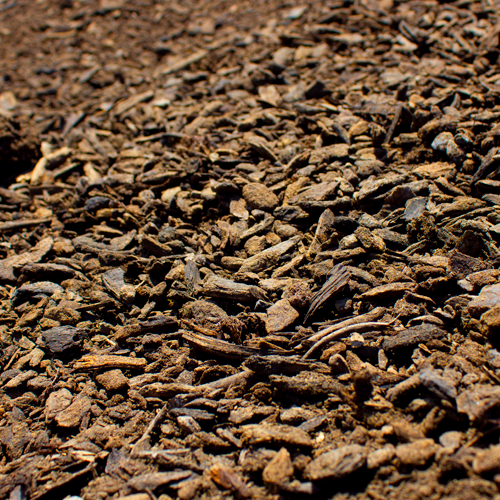
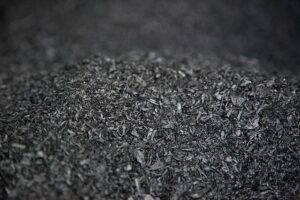
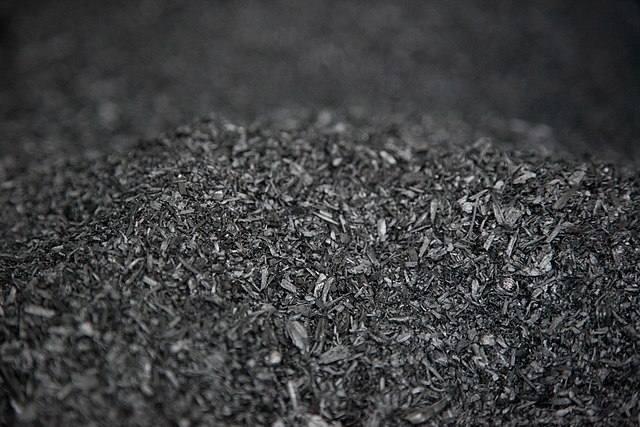
Biochar is produced through the thermal decomposition of organic materials such as wood, agricultural residues, and other biomass. This process, known as pyrolysis, occurs in the absence of oxygen, resulting in a stable form of carbon that can persist in the soil for hundreds to thousands of years. The unique porous structure of biochar contributes significantly to its agronomic benefits, offering a host of advantages for soil enhancement and crop productivity.
2. Elevating Soil Health: The Mechanisms at Play
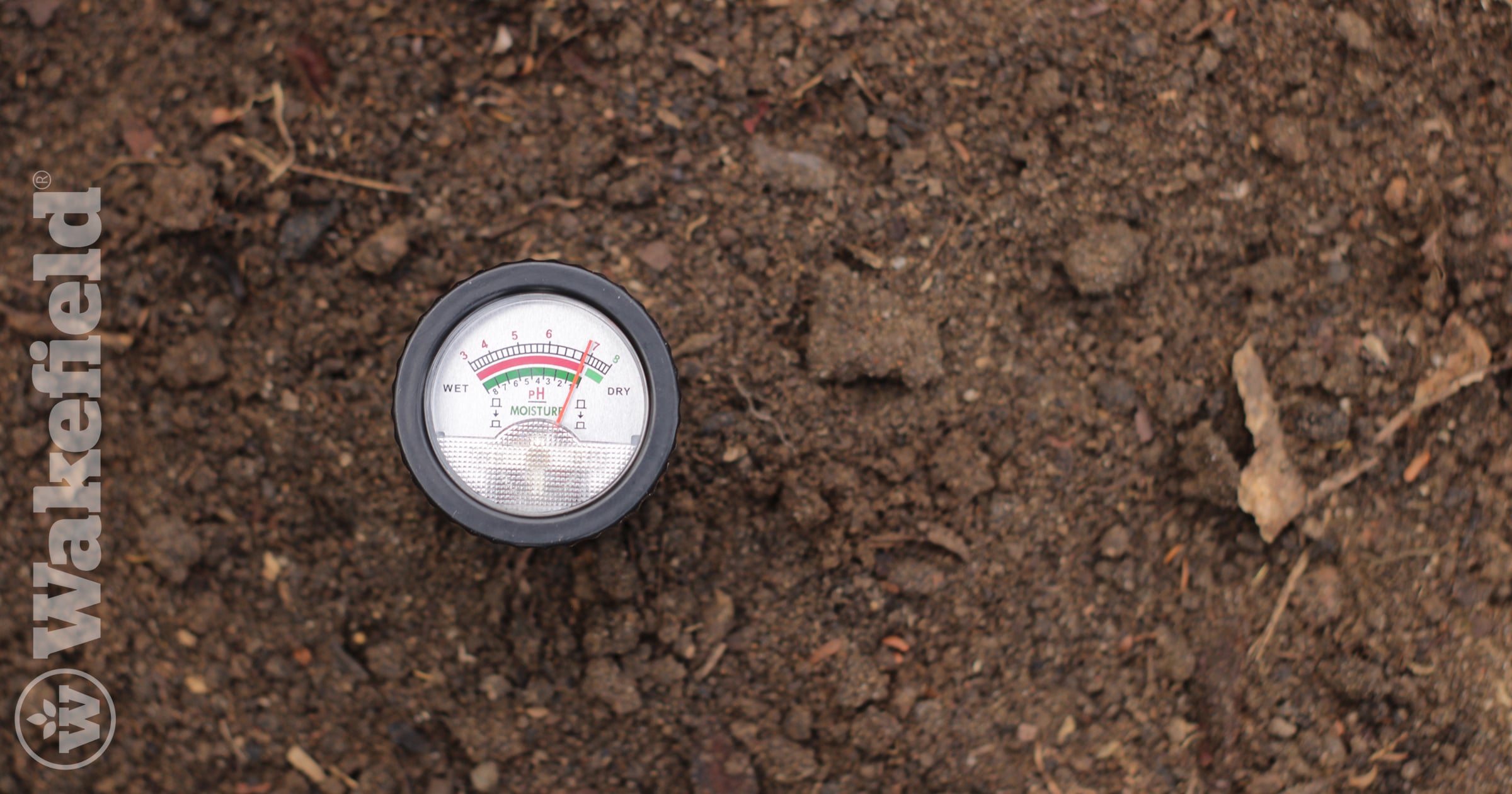
At its core, biochar acts as a soil amendment. When introduced to soil, biochar influences various physical, chemical, and biological properties. Its high porosity allows for improved water retention, which is crucial during dry spells. Furthermore, biochar can enhance nutrient availability, as its surface provides binding sites for essential nutrients, preventing leaching and promoting their slow release to plants.
Moreover, biochar fosters a more robust microbial ecosystem within the soil. Beneficial microorganisms, including bacteria and fungi, thrive in biochar-enriched soils, facilitating nutrient cycling and organic matter decomposition. This symbiotic relationship between biochar and soil biota is fundamental to unlocking the full potential of agricultural land.
3. Enhancing Crop Yields Through Biochar Applications
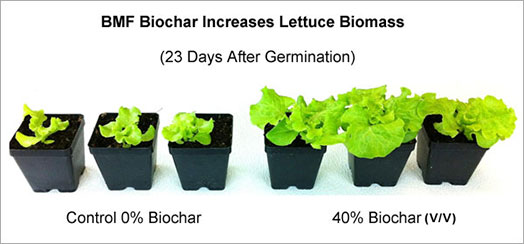
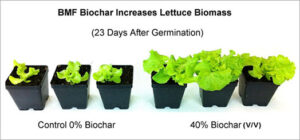
Numerous studies reveal that biochar can boost crop yields across a variety of farming systems. This increase is often attributed to improved soil fertility, moisture retention, and the enhanced structure that biochar imparts to soil. For instance, crops such as corn and soybeans have exhibited notable yield increases when biochar is applied, with some reports indicating improvements of up to 30% or more.
The timing and method of biochar application can influence its effectiveness. Incorporating biochar into soil prior to planting can maximize its benefits, while side-dressing during the growing season can also provide supplementary advantages. Tailoring biochar practices to specific crop requirements and local soil conditions is vital for optimizing the outcome.
4. Practical Application of Biochar: Strategies for Farmers
Implementing biochar in agricultural practices can be straightforward. Farmers can produce biochar on-site using small-scale pyrolysis units, thereby transforming crop residues into a valuable resource. Alternatively, purchasing commercially available biochar from established producers is an option for those looking to introduce this amendment to their soils quickly.
When applying biochar, it is essential to consider the optimal rates, which can vary depending on the soil type and crop being cultivated. A general recommendation ranges from 5% to 20% biochar by volume, but field trials are vital for determining the most effective application rates tailored to specific circumstances. Additionally, combining biochar with other organic amendments, such as compost or manure, can synergistically enhance soil fertility.
5. Environmental Benefits of Biochar Beyond Agriculture
Beyond its role in agriculture, biochar offers a pathway for addressing climate change. By sequestering carbon in a stable form, biochar mitigates greenhouse gas emissions, effectively serving as a carbon sink. Researchers have suggested that large-scale biochar application has the potential to offset a significant portion of the global carbon footprint.
The use of biochar also promotes soil health and biodiversity, creating more resilient ecosystems. Enhanced soil structure leads to reduced erosion and improved water quality, as sediment and agricultural runoff are minimized. Furthermore, creating a more biodiverse environment supports pollinator populations and beneficial insects, lending a hand in the overall ecological balance.
6. Challenges and Considerations in Biochar Use
Despite its many advantages, some challenges accompany the use of biochar. Variability in biochar properties, influenced by feedstock type and production conditions, can lead to inconsistent results in different agricultural settings. It is crucial for farmers to conduct soil tests and biochar assessments to ensure compatibility with their specific soil types and crop needs.
Furthermore, widespread adoption of biochar will depend heavily on education and awareness among farmers. Providing accessible information on production techniques, application methods, and benefits is essential to facilitate informed decisions regarding biochar usage.
7. The Future of Biochar in Sustainable Agriculture
The integration of biochar into modern agricultural practices stands at the forefront of sustainable farming efforts. Ongoing research continues to expand our understanding of biochar’s capabilities, leading to refining its applications and ensuring its compatibility with various farming systems. As farmers embrace innovation and sustainable practices, biochar will likely play a critical role in improving soil health and enhancing agricultural productivity for generations to come.
In conclusion, biochar represents a potent tool in the arsenal of sustainable agriculture. By improving soil health, enhancing crop yields, and contributing to environmental sustainability, biochar holds tremendous promise for the future of food production. Embracing this multifaceted approach can yield substantial benefits for both farmers and the planet alike.