In the realm of sustainable agriculture and environmental stewardship, biochar emerges as a beacon of innovation. This carbon-rich material, produced through the pyrolysis of organic matter, is garnering attention for its multifaceted benefits and applications. Understanding biochar’s definition and significance can provoke a transformative perspective on waste utilization, soil enhancement, and climate change mitigation.
Defining Biochar
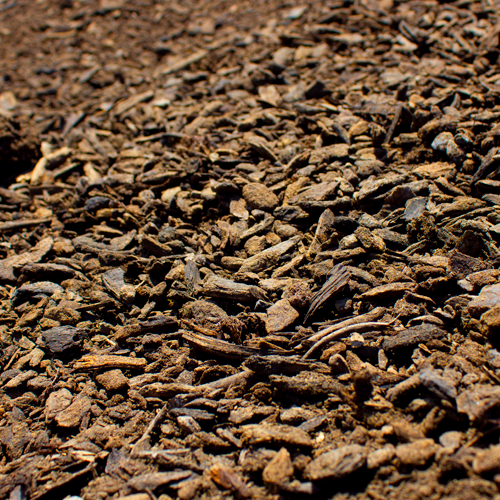
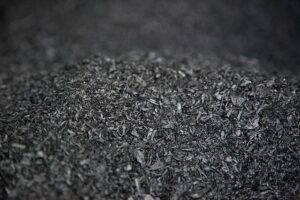
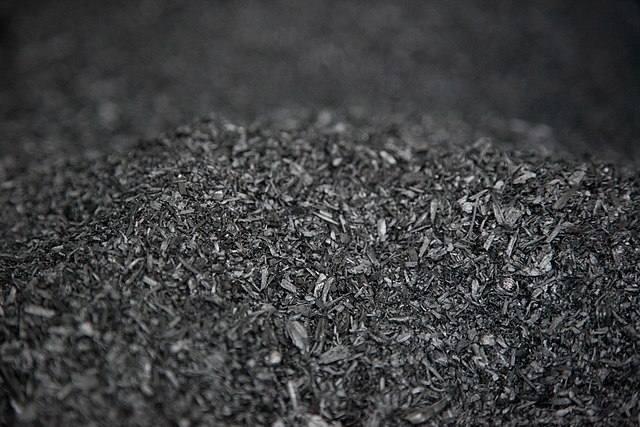
At its core, biochar is a type of charcoal created by heating organic materials—such as wood, crop residues, or manure—at high temperatures in the absence of oxygen. This process, known as pyrolysis, results in a stable form of carbon that can sequester carbon in the soil for hundreds to thousands of years. Unlike regular charcoal, which is primarily used for fuel, biochar transforms agricultural waste into a valuable resource, emphasizing sustainability.
The Science Behind Biochar
The process of creating biochar is as fascinating as its applications. During pyrolysis, temperatures typically range from 300 to 700 degrees Celsius, where organic materials decompose, releasing volatile gases while leaving behind a significant amount of carbon. This carbon structure is porous, vastly increasing its surface area—a property that leads to enhanced soil health and fertility.
This intricate process diverges from traditional burning methods, which often contribute to significant greenhouse gas emissions and air pollution. The judicious crafting of biochar promotes a circular economy, turning waste into a high-value product that enhances agricultural productivity while combating climate change.
Ecological Benefits of Biochar
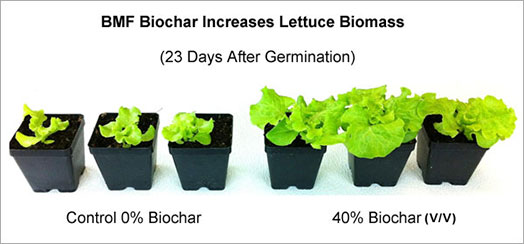
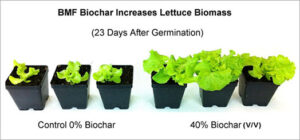
Biochar’s role in soil amendment cannot be overstated. When incorporated into terrestrial ecosystems, it acts as a surrogate for traditional fertilizers. Its porous structure facilitates improved water retention, allowing crops to thrive even under challenging climatic conditions. Furthermore, biochar fosters a hospitable environment for beneficial microbial communities. These microbes play a crucial role in nutrient cycling, bolstering soil health and enhancing plant growth.
Moreover, biochar serves as a carbon sink, which is one of its most talked-about ecological benefits. As organic carbon is stored in biochar, it reduces the amount of carbon dioxide in the atmosphere, aiding in climate change mitigation. This fact alone piques curiosity about the potential of biochar as a critical player in global efforts to sequester carbon and foster sustainable land management practices.
Applications Beyond Agriculture
While biochar is predominantly hailed for its agricultural benefits, its applications extend far beyond farming fields. In urban settings, biochar can improve soil quality in parks and community gardens. It has even been explored in stormwater management systems, aiding in the purification of water by trapping pollutants within its porous structure.
Additionally, biochar is making inroads in waste management strategies. Instead of allowing organic waste to decompose improperly and release harmful greenhouse gases, converting it into biochar not only manages waste but also produces a usable product. Every step of this process underscores the need to rethink our waste management approaches, urging communities to adopt more sustainable practices.
Economic Implications of Biochar Production
The burgeoning interest in biochar has sparked a wave of research and development. This niche market presents economic opportunities for farmers, entrepreneurs, and researchers alike. On one hand, farmers can reduce costs by minimizing input reliance on chemical fertilizers and pesticides. On the other hand, entrepreneurs can explore avenues for biochar production, distribution, and application, creating jobs in the process.
Moreover, biochar’s potential to enhance crop yields can lead to increased agricultural productivity, translating into better financial returns for farmers. As food security continues to be a pressing global issue, biochar may serve as a crucial tool in ensuring sustainable food production systems.
Challenges and Considerations
Regulatory frameworks will also need to align with the emerging biochar industry. Standards for quality and safety must be established to ensure that biochar is effective and not detrimental to soil and crop health.
Conclusion: A Transformative Perspective