Biochar has emerged as a pivotal topic in the realm of sustainable agriculture and environmental conservation. Derived from the pyrolysis of biomass, it is a carbon-rich material that not only enhances soil health but also plays a significant role in mitigating climate change. Understanding biochar—its composition, production methods, beneficial properties, and broader implications—can illuminate its potential as a game-changer in ecological practices.
What is Biochar?
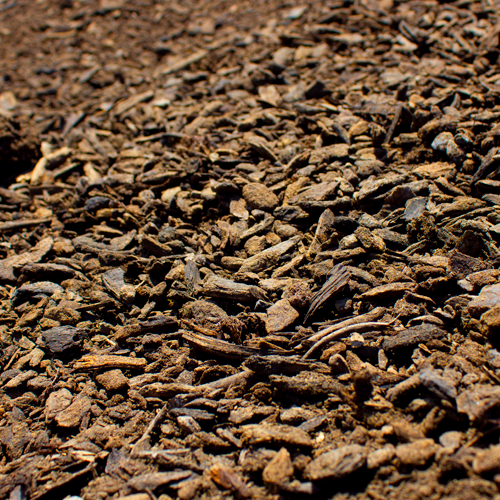
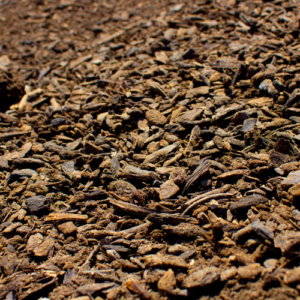
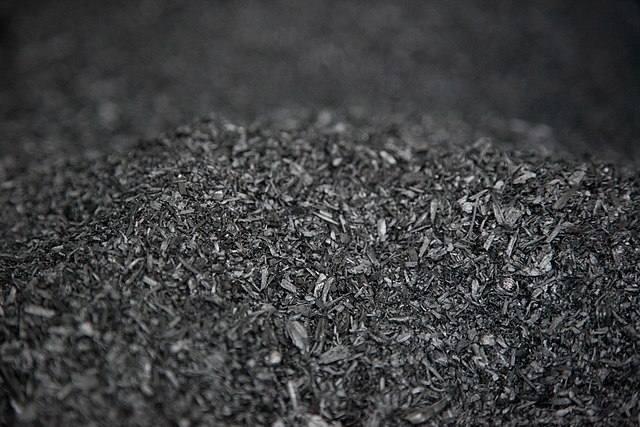
At its core, biochar is a type of charcoal produced via a process called pyrolysis, which involves heating organic materials such as wood, agricultural residues, or manure in the absence of oxygen. This transformative process not only converts biomass into a stable form of carbon, but it also creates a porous structure characterized by high surface area and numerous functional groups. This intrinsic structure enhances its interaction with soil and microorganisms, contributing to its vast array of benefits.
How Biochar Works
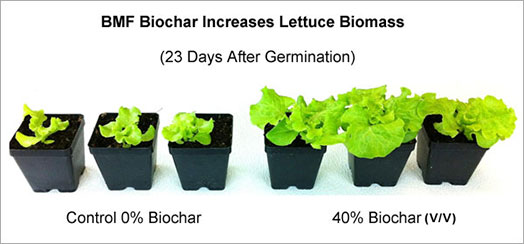
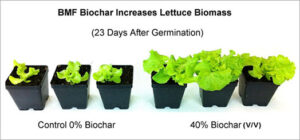
The efficacy of biochar in enhancing soil qualities can be attributed to several mechanisms. First and foremost, its porous morphology allows it to retain water and nutrients effectively, providing a reservoir for moisture and essential minerals that crops can access. Secondly, biochar serves as a habitat for beneficial soil microorganisms. This symbiotic relationship assists in nutrient cycling, thereby promoting plant growth and resilience.
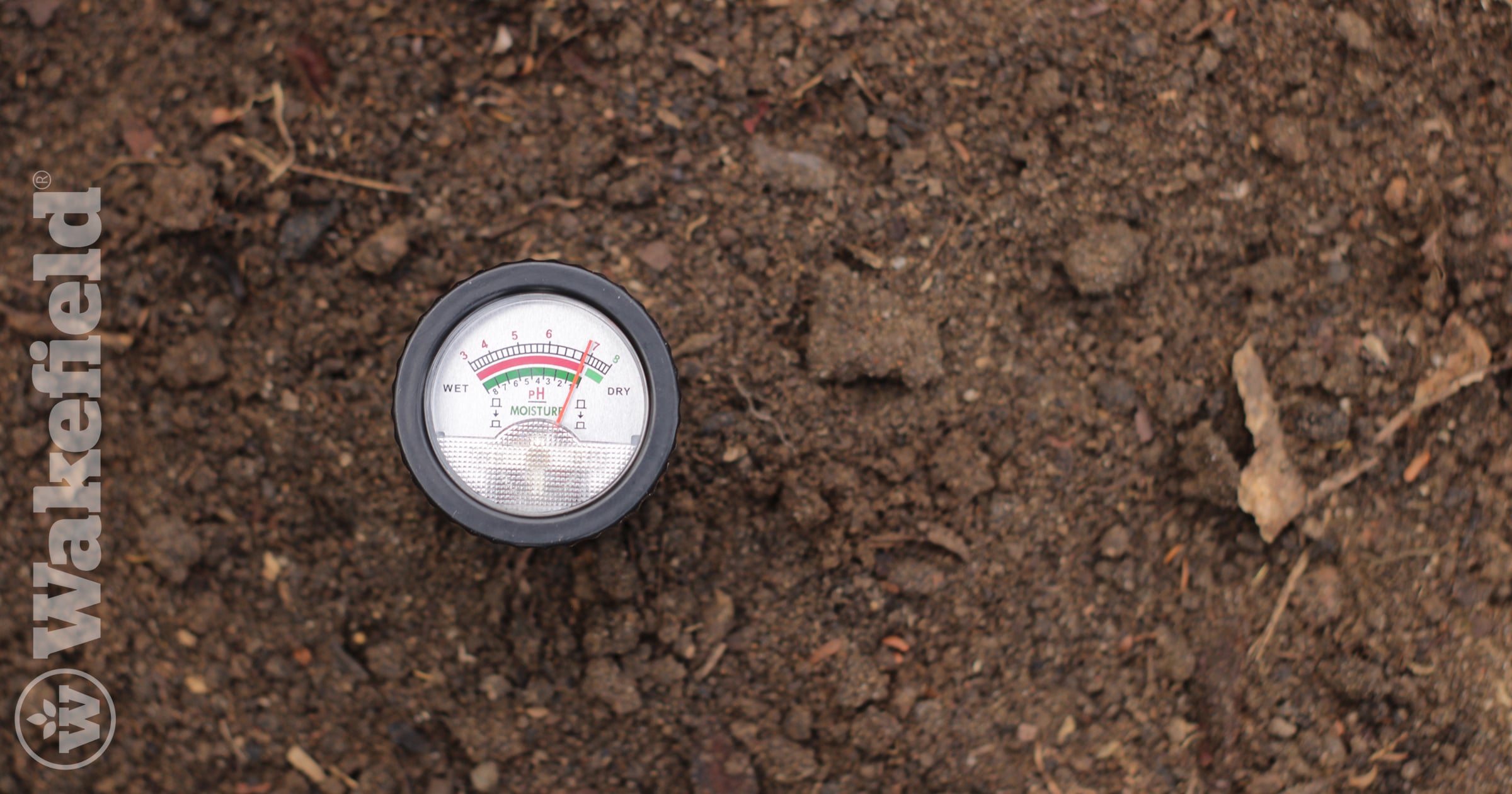
Moreover, biochar influences the soil pH, often ameliorating acidity in soils with high hydrogen ion concentrations. This adjustment can enhance nutrient availability and overall soil fertility. Additionally, biochar works to stabilize soil organic carbon, preventing its degradation and release as carbon dioxide—a greenhouse gas—into the atmosphere.
Types of Biochar
Biochar is not a one-size-fits-all solution. Its attributes can vary significantly based on the feedstock used, the pyrolysis conditions, and the soil types to which it is applied. Below are some notable types of biochar:
- Wood-derived Biochar: Often produced from hardwoods, this type boasts a high carbon content and is widely utilized in agricultural practices for its nutrient retention and soil amendment properties.
- Agricultural Residue Biochar: Created from leftover crop materials such as straw or corn stalks, it capitalizes on local agricultural waste and helps mitigate waste management issues.
- Manure-based Biochar: This variant is particularly interesting; it can stabilize nutrients that might otherwise be lost to leaching, thereby conserving valuable fertilizer resources.
- Biochar from Invasive Species: Utilizing biochar production from invasive plants can promote ecological balance by limiting those species’ proliferation while creating a valuable soil amendment.
Production Methods
The production of biochar is multifaceted, with several methods available, each with distinct advantages. The most common techniques include:
- Pyrolysis: This method involves heating biomass in an oxygen-limited environment. Variations in temperature and residence time can yield biochars with different chemical properties.
- Gasification: While primarily used for energy production, gasification also generates biochar as a byproduct. This method leverages higher temperatures and limited air supply.
- Carbonization: A simpler process than pyrolysis, carbonization effectively converts biomass into char through dry heating.
Why Biochar Matters
The significance of biochar extends far beyond immediate agricultural benefits. Its role in carbon sequestration is particularly vital in the context of climate change. Biochar can sequester carbon for hundreds to thousands of years, effectively reducing atmospheric carbon dioxide levels. This characteristic presents an attractive solution for carbon markets and businesses seeking to offset emissions.
Furthermore, biochar aligns with principles of circular economy by valorizing waste and diverting organic materials from landfills. This conversion not only reduces greenhouse gas emissions associated with waste decomposition but also supports soil health—a critical component in sustainable agriculture.
Another noteworthy aspect is biochar’s potential in remediation efforts. Its adsorption properties allow it to bind heavy metals and other pollutants, rendering contaminated soils safer for agricultural use and protecting water quality through runoff reduction.
Challenges and Considerations
The Future of Biochar
The future landscape of biochar is promising, characterized by advancing technology and increasing recognition of its multifunctional benefits. Continued research and innovation could unlock even more applications, including building materials, water filtration systems, and even as a component in eco-friendly wood products. As the global community grapples with climate change, enhancing our agricultural systems through sustainable practices will be vital. Biochar, with its myriad advantages, stands ready to contribute significantly.
In conclusion, biochar represents a transformative strategy in the pursuit of sustainable agriculture and environmental stewardship. Its ability to improve soil health, sequester carbon, and remediate polluted environments illustrates its pivotal role in addressing contemporary agricultural and ecological challenges. As awareness grows and technology advances, biochar could very well fulfill its potential as a cornerstone of innovative agricultural practices and a resilient response to climate change.