The field of biochar has expanded rapidly, drawing interest from farmers, environmental scientists, and sustainability advocates alike. Amid this growing attention, a structured compilation of questions offers clarity for those exploring its benefits and applications. This Biochar FAQ addresses the most common inquiries, presenting detailed insights into how biochar functions, why it matters, and where it is headed. Each explanation is crafted to illuminate both practical understanding and scientific nuance, ensuring a coherent grasp of this transformative material.
What Is Biochar?
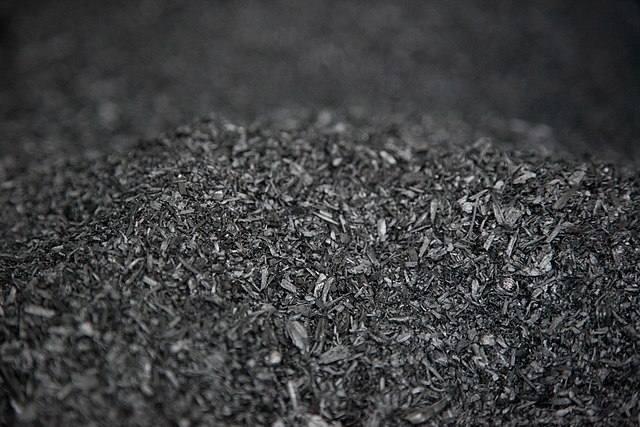
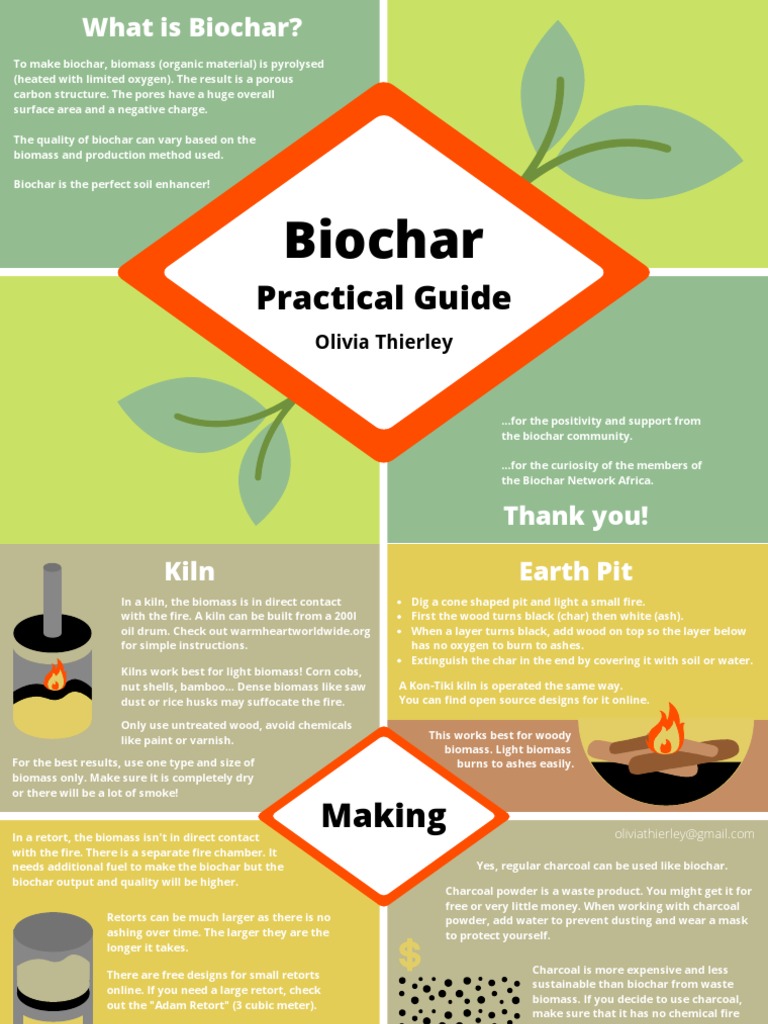
Biochar is a carbon-rich, highly porous substance produced through pyrolysis, a thermal decomposition process occurring under limited oxygen. The result is a stable form of carbon with exceptional retention properties. Its structure mirrors ancient soil-building traditions, such as the Terra Preta soils of the Amazon, which remain fertile centuries after their creation. In contemporary terms, biochar acts as a multifunctional soil amendment, enhancing physical, chemical, and biological soil characteristics.
Due to its resilience and remarkably slow decomposition rate, biochar serves as a long-term carbon reservoir. This fixed carbon persists for hundreds to thousands of years, demonstrating an environmental permanence unmatched by most organic amendments.
How Is Biochar Made?
Production begins with biomass—wood chips, crop residues, manure, nutshells, or forestry waste. This feedstock is subjected to temperatures typically ranging from 350°C to 650°C. Oxygen availability is tightly restricted to prevent combustion, allowing the material to carbonize instead of burn.
The pyrolysis method influences the final characteristics of the biochar. Slow pyrolysis maximizes solid carbon yield and enhances porosity. Fast pyrolysis, while producing more bio-oil, still yields a usable form of biochar with different internal structures. Gasification creates smaller amounts of char but is sometimes repurposed for soil use.
Each method alters pore size distribution, surface reactivity, and mineral content, making biochar a diverse material rather than a singular product. This complexity underscores the importance of selecting char tailored to specific soil or environmental goals.
What Are the Benefits of Biochar?
Biochar improves soil in several profound ways. Its porous matrix increases aeration in dense soils while bolstering water retention in sandy, drought-prone regions. These effects stabilize root systems and create hospitable conditions for microbial communities. Beneficial microorganisms colonize the biochar’s internal structures, forming symbiotic relationships that enhance nutrient cycling and plant resilience.
Chemically, biochar increases cation exchange capacity (CEC), enabling soils to hold nutrients more effectively. This reduces leaching, conserves fertilizers, and strengthens nutrient availability during critical growth stages. Biochar also moderates soil pH, often reducing acidity in degraded environments.
Beyond agriculture, biochar contributes to environmental remediation by adsorbing contaminants—heavy metals, pesticides, and organic pollutants. Water treatment systems increasingly integrate biochar as a filtration medium due to its ability to capture dissolved impurities.
Does Biochar Help Climate Change?
Biochar is recognized as a potent negative-emission technology. When biomass decays naturally, it releases carbon dioxide and methane into the atmosphere. Pyrolysis interrupts this cycle, converting the biomass into a stable carbon form that resists microbial decomposition.
Once applied to soil, biochar acts as a long-term carbon sink. A significant proportion of the original carbon remains locked in a stable matrix for centuries. Scientific studies estimate that properly produced biochar can sequester up to 50% of the biomass carbon—far exceeding the longevity of compost or other organic amendments.
In addition to sequestration, biochar improves agricultural efficiency, reducing fertilizer demand and helping soils retain nutrients that would otherwise contribute to greenhouse gas emissions through volatilization or runoff.
Is Biochar Safe to Use?
Biochar is broadly safe, but quality matters. High-temperature pyrolysis typically produces cleaner, more stable material with fewer volatile compounds. Poorly processed char may contain tars, phenols, or excessive ash, which could harm plant roots or alter soil chemistry unfavorably.
To ensure safety, many growers rely on certified biochar sources that meet international quality guidelines. When creating biochar at home, ensuring complete carbonization and proper quenching helps reduce residues that may negatively affect soil ecosystems.
How Do You Apply Biochar?
Application methods vary depending on soil type, crop goals, and biochar characteristics. Mixing biochar directly into planting beds is common, often at rates between 5% and 10% by soil volume. Blending biochar with compost before application—known as “charging” or “inoculation”—enhances its effectiveness. The biochar absorbs nutrients and microbial life from the compost, preventing it from initially drawing nutrients away from plants.
For large-scale agriculture, biochar is applied using spreaders, cultivators, or trenching systems. Forestry operations may distribute biochar during reforestation or erosion control efforts, using it to stabilize slopes and revitalize nutrient-poor terrain.
What Types of Biochar Exist?
Biochar varies significantly based on feedstock and pyrolysis method. Wood-based biochar typically offers high porosity and structural stability. Crop-residue biochars often contain larger quantities of mineral ash, adding nutrients such as potassium or calcium. Manure-derived biochar includes a richer profile of micronutrients, although it may have lower carbon stability.
These differences make biochar a customizable tool. Instead of a standardized product, it represents a spectrum of materials suited for distinct agronomic or environmental applications.
What Is the Future of Biochar?
Biochar’s future is closely tied to global sustainability initiatives. Interest continues to grow across regenerative agriculture, climate mitigation, and waste-to-resource sectors. Technologies that integrate biochar with building materials, water filtration systems, and industrial processes are expanding rapidly. Research also explores biochar-enhanced concretes, polymer composites, and carbon-based catalysts.
As its versatility becomes more apparent, biochar is poised to become an essential component of circular economies—transforming organic waste into durable environmental value.
In summary, this Biochar FAQ offers a thorough introduction to one of the most promising carbon-based materials in modern sustainability efforts. Its unique blend of structural stability, chemical resilience, and ecological synergy positions biochar as a vital tool for revitalizing soils, reducing emissions, and reshaping the future of land stewardship.