Imagine standing in the heart of a parched desert landscape, where the sun scorches the earth relentlessly, and plants struggle to endure this inhospitable environment. Can you envision how transformative it would be if a simple amendment could revolutionize the way these soils retain moisture and nutrients? Welcome to the world of biochar—a remarkable carbon-rich product that not only revitalizes arid and semi-arid soils but does so in a manner that conventional fertilizers and amendments simply cannot replicate.
The challenge of cultivating productive land in arid regions is daunting. Diminished rainfall, high evaporation rates, and nutrient-poor soils create a perfect storm of adversity for farmers and gardeners alike. Traditional approaches may bring fleeting success, but what if there was a method that could produce sustainable benefits over the long term? Biochar presents an innovative solution, harnessing the power of charcoal-like substance created through pyrolysis—the thermal decomposition of organic matter under low oxygen conditions. This article explores the multifaceted ways biochar influences arid and semi-arid soils and discusses why it is often the unassuming hero of crop production in dry landscapes.
The Science Behind Biochar
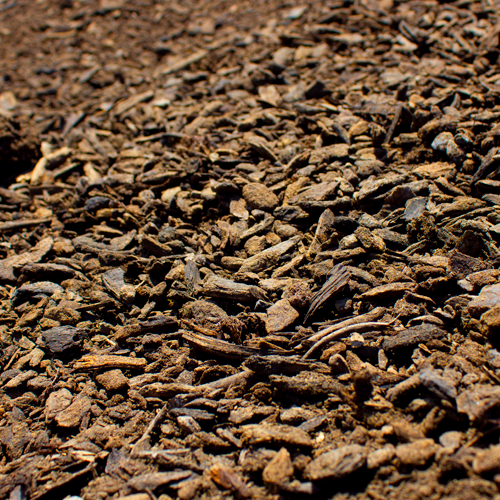
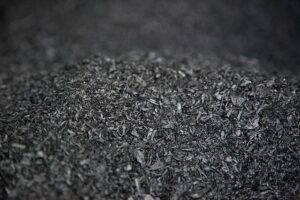
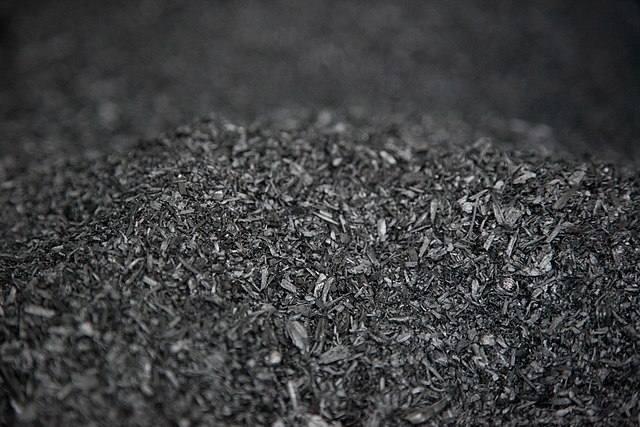
To truly appreciate biochar’s role in enhancing soil properties, one must delve into its composition. Biochar is essentially a porous structure laden with beneficial charcoal particles. This porous architecture develops an extensive surface area that acts much like a sponge, promoting significant water retention capabilities. Its unique physical properties allow it to hold onto moisture, releasing it gradually as plants require, thus mitigating the risk of drought stress. In arid and semi-arid environments—where moisture is a precious commodity—this quality is invaluable.
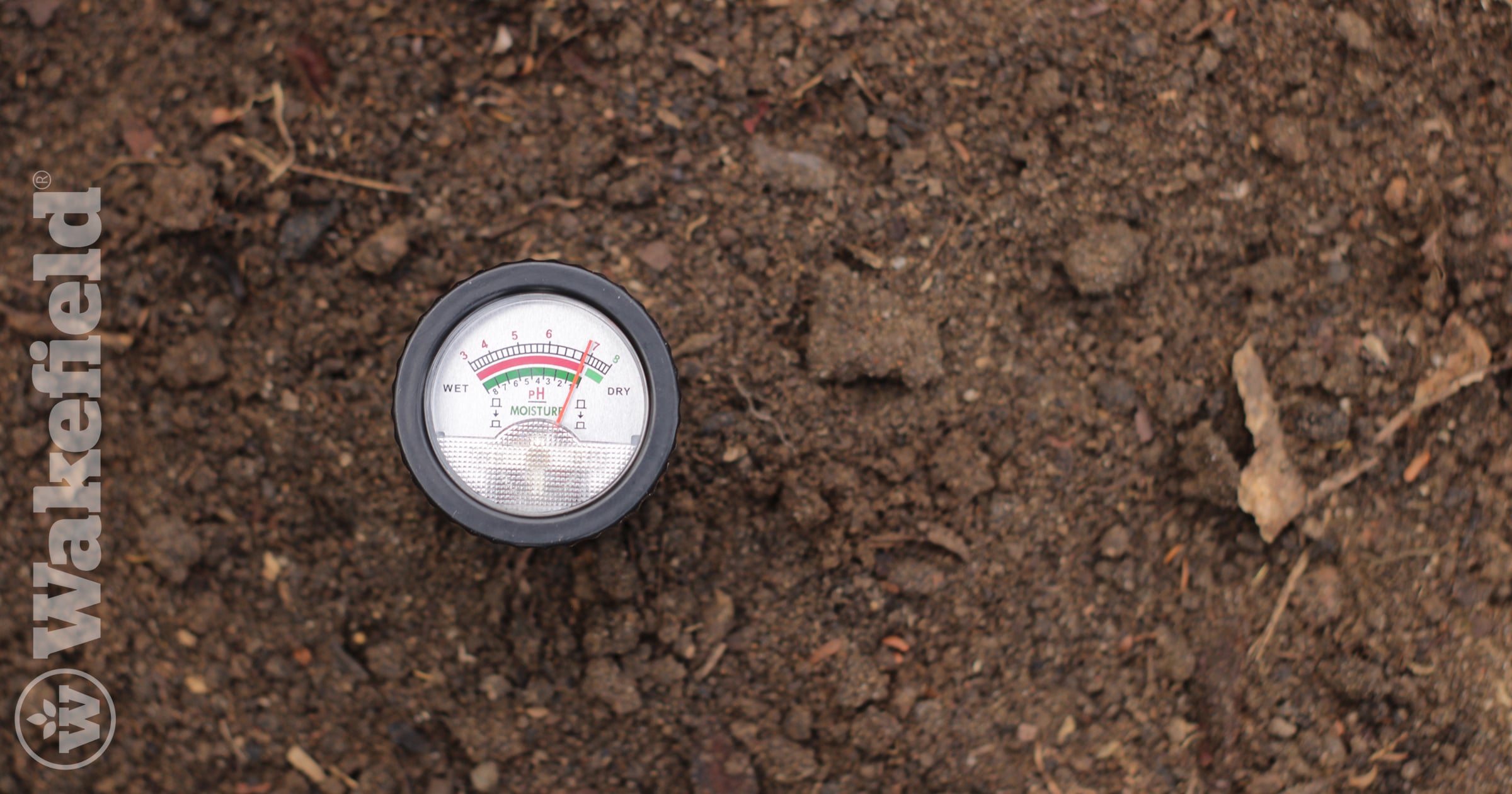
In addition to moisture retention, biochar modifies soil chemistry favorably. Rich in carbon, it serves not merely as a food source for beneficial soil microorganisms but as a buffer for pH. The alkalinity of biochar can counterbalance acidic soils, thus creating an optimal environment for nutrient uptake. The enhanced cation-exchange capacity (CEC) of biochar enables soils to retain essential macronutrients, fostering improved fertility and plant vigor. Essentially, biochar manages to create a balanced ecosystem where nutrients are available when needed.
The Ecological Benefits
Utilizing biochar does not merely enhance agricultural yields; it also contributes to the overall health of the ecosystem. One remarkable quality of biochar is its ability to sequester carbon. By incorporating biochar into the soil, we can mitigate greenhouse gas emissions—specifically carbon dioxide—from the atmosphere, playing a proactive role in fighting climate change. This CO2 absorption capability strengthens the argument for adopting biochar as a favored amendment, particularly in regions where soil degradation and erosion have been rampant.
The benefits extend beyond carbon sequestration. The increased biodiversity in soil organisms leads to healthier rhizospheres. By providing habitat and nutrients for earthworms, bacteria, and mycorrhizal fungi, biochar rejuvenates the microbial community that is crucial for nutrient cycling. This interplay of various organisms enhances fertilizer efficiency and reduces the need for chemical inputs, leading to more sustainable farming practices.
Challenges and Considerations
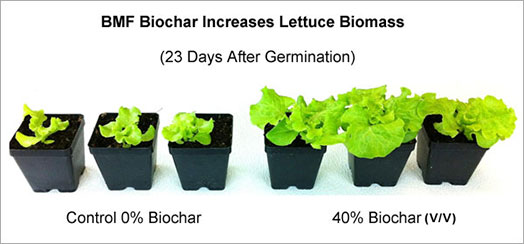
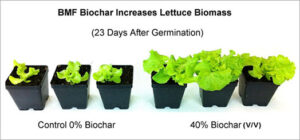
Moreover, it is crucial to understand that biochar is not a silver bullet. While it complements traditional agricultural practices, it works best in synergy with other soil amendments, such as composts and organic fertilizers. Farmers must adopt an integrated approach, combining biochar with sustainable farming techniques to gain optimal results. A playful challenge remains: How can we effectively communicate the benefits of biochar to skeptical farmers entrenched in traditional practices? By presenting compelling data and fostering community demonstrations, the momentum for change can build.
Practical Applications and Case Studies
Similarly, in the southwestern United States, biochar has emerged as a critical component in the fight against desertification. By promoting soil health and water retention, farmers are achieving higher yields while preserving water sources, thereby showcasing biochar’s adaptability to various climates and farming practices.
Conclusion: Embracing the Future with Biochar