In an age where environmental degradation is a pressing concern, innovative solutions like biochar are garnering attention for their potential in ecological remediation. But what exactly is biochar, and how can it be pivotal in the cleanup of heavy metals from contaminated soils and waters? Let’s explore this intriguing topic, unraveling insights from the latest reviews in the scientific literature.
An Overview of Biochar
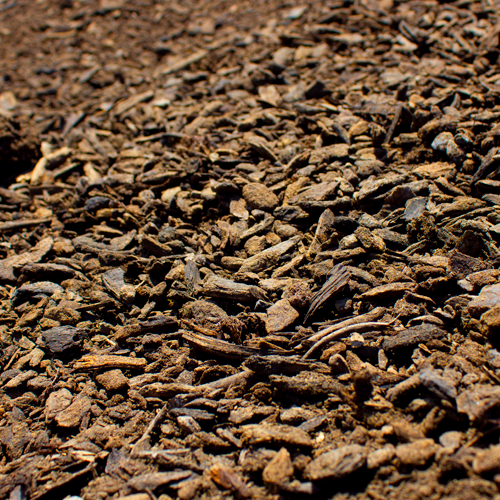
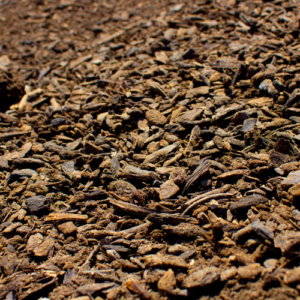
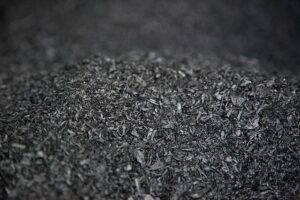
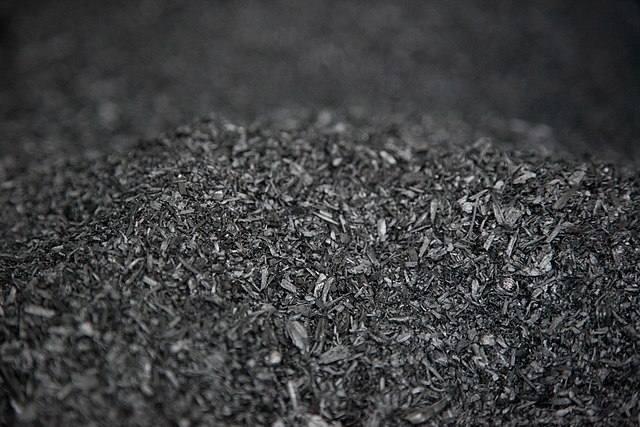
Biochar is a carbon-rich, solid material obtained from the pyrolysis of biomass—organic matter that can include agricultural residues, forestry waste, or even municipal solid waste. The process involves heating organic materials in the absence of oxygen, resulting in a stable form of carbon that can sequester carbon and potentially mitigate climate change. However, beyond its carbon storage capabilities, biochar has emerged as a multifunctional substance with remarkable properties that lend themselves to addressing environmental pollution.
Heavy Metals: The Persistent Pollutants
Heavy metals such as lead, cadmium, mercury, and arsenic are ubiquitous contaminants resulting from industrial activities, mining operations, and agricultural practices. They pose serious threats to human health, aquatic ecosystems, and biodiversity. The ability of these metals to bioaccumulate in organisms compounds their detrimental effects, raising alarming concerns worldwide. So, could the answer to mitigating these threats lie in a material traditionally considered waste?
The Mechanisms of Biochar in Heavy Metal Removal
When heavy metals enter the environment, they tend to bind to soil particles or dissolve in water, complicating remediation efforts. Biochar interacts with these metals primarily through sorption, a process involving adhesion or binding. The physicochemical properties of biochar, including its surface area, porosity, and functional groups, play crucial roles in its efficacy. Research indicates that biochar can form stable complexes with metal ions, effectively immobilizing them and reducing their bioavailability. This property can significantly lower the risk of heavy metals entering the food chain or leaching into groundwater.
Recent Advances and Findings
Recent reviews consolidate emerging research focused on biochar’s role in heavy metal remediation, revealing fascinating insights. For instance, studies highlight the influence of feedstock type on biochar’s efficacy. Different biomass sources result in biochars with varying physicochemical properties, which can tailor their effectiveness against specific metals. While some biochars excel in sorbing cadmium, others may demonstrate superior lead immobilization. Understanding these nuances is critical for optimizing biochar application in contaminated sites.
Field vs. Laboratory Success
While laboratory experiments tend to showcase biochar’s remarkable performance in controlled settings, the real world presents challenges. The actual effectiveness of biochar when deployed in the field may differ due to factors such as soil composition, moisture levels, and existing microbial populations. This discrepancy raises an impish question: How can we translate lab success into field triumphs? Developing field-tested protocols and undertaking long-term studies will be imperative to harness biochar’s full potential in various environments.
Application Techniques and Challenges
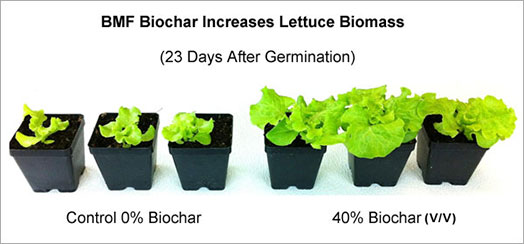
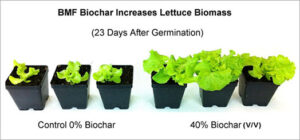
To maximize biochar’s benefits, several application techniques have been scrutinized. Incorporating biochar into soil can not only enhance heavy metal immobilization but also improve soil quality and fertility. However, practitioners face challenges, including the potential for biochar to release nutrients or contaminants under certain conditions—a phenomenon that could inadvertently exacerbate pollution. Addressing these challenges provides fertile ground for research and development.
Policy Implications and Public Perception
Beyond scientific discourse, policy implications play a significant role in biochar’s journey toward adoption. Environmental policies that promote sustainable agricultural practices and soil amendment strategies can help incorporate biochar into standard soil management. However, public perception must also shift. Many communities are skeptical about the efficacy and safety of using biochar derived from diverse feedstocks, especially when concerns over toxic substances linger. Bridging the gap between scientific findings and public understanding is thus critical.
Conclusion: A Sustainable Future?
The exploration of biochar for heavy metal cleanup reveals both promise and challenges. As recent reviews demonstrate, biochar has significant potential to sequester harmful metals and enhance soil health, but translating these findings into practical applications remains a multifaceted endeavor. As we confront the reality of environmental contamination, the question persists: Can we confidently turn to biochar as a panacea for heavy metal pollution, or will we discover that this innovative solution requires further refinement? Only time will reveal the answers. What is evident, however, is the necessity for continued research, interdisciplinary collaboration, and proactive engagement with communities to foster acceptance and implementation of biochar technologies in environmental remediation.