In the ever-evolving field of agronomy, a remarkable shift in perspective is currently taking shape—one that promises to redefine our comprehension of soil fertility and sustainable agricultural practices. This transformation centers around an ancient yet often overlooked material known as biochar. Through a meticulous examination of its multifaceted roles, benefits, and applications, one may discover the profound implications biochar has for enhancing soil fertility and promoting eco-friendly farming practices.
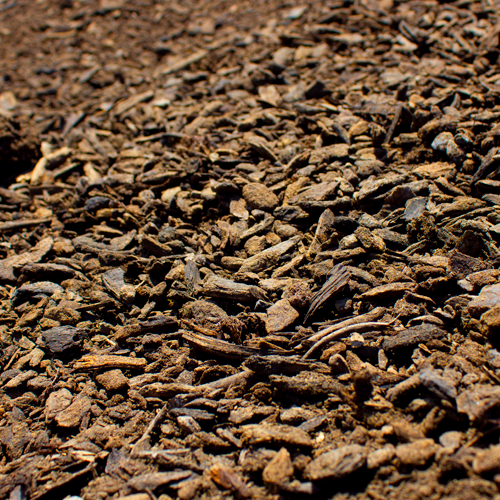
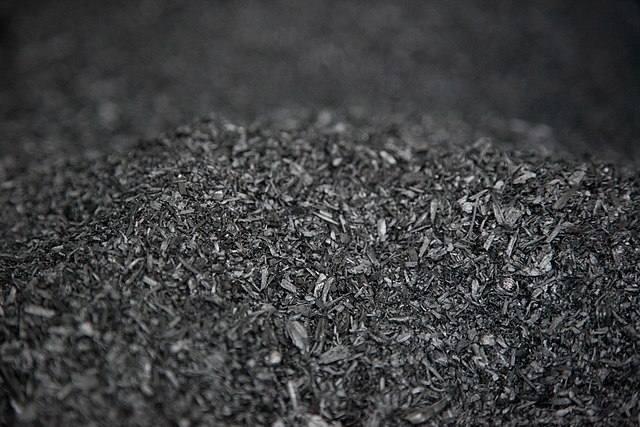
So, what exactly is biochar? In essence, biochar is a carbon-rich product derived from the pyrolysis of organic materials—such as agricultural residues, forestry by-products, or even waste biomass—in a low-oxygen environment. This process not only prevents the rapid decay of organic matter but also captures carbon, sequestering it in a stable form that can persist in the soil for centuries. Thus, biochar embarks upon its journey as an agent of both fertility and environmental resilience.
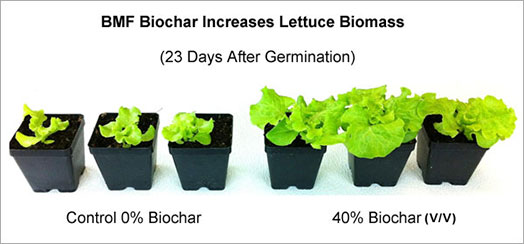
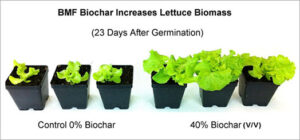
Understanding how biochar impacts soil fertility requires an exploration into its intricate chemical and physical properties. The porous structure of biochar, characterized by its extensive surface area, enables it to act as a sponge for nutrients and water. This dynamic alone presents a compelling case for its use as an amendment in various soil types. By optimizing nutrient retention, biochar mitigates nutrient leaching—an especially critical factor in sandy soils prone to erosion and nutrient depletion.
Moreover, biochar enhances soil aeration, leading to improved root development and overall plant health. Its unique texture facilitates better drainage, effectively combating waterlogged conditions that could otherwise suffocate plant roots. In this regard, biochar serves as a remarkable ally in the quest for sustainable agriculture, particularly in regions plagued by water scarcity and erratic rainfall patterns.
Nevertheless, the benefits of biochar extend beyond physical properties; the chemical interactions that occur once biochar is integrated into the soil ecosystem are equally transformative. Biochar’s surface is rife with functional groups, such as carboxyl and phenolic groups, which contribute to its cation exchange capacity (CEC). Elevated CEC levels enable the soil to retain essential nutrients like potassium, calcium, and magnesium, ultimately fostering a thriving soil biome. This phenomenon not only bolsters the plant’s nutrient accessibility but also encourages beneficial microbial diversity, essential for robust soil health.
As curiosity piques surrounding the potential of biochar, it is paramount to delve into the nuances of its application. Incorporating biochar into agricultural systems requires a tailored approach, as the effectiveness is inherently tied to factors such as feedstock type, pyrolysis conditions, and soil characteristics. For instance, biochars produced from hardwood tend to possess different properties compared to those generated from softwood or agricultural residues. This variability underlines the importance of understanding local ecosystems and selecting biochar suitable for specific crops and soil types.
Moreover, while the benefits of biochar are well-documented, the timing and method of incorporation demand careful consideration. Biochar can be applied to the soil prior to planting, where it can alter soil structure to benefit young crops. Alternatively, it can be blended with compost or other organic fertilizers to create a synergistic effect, enriching the soil even further. This dual application serves not only to enhance fertility but also to strengthen the carbon-sequestering characteristics of the biochar itself.
Furthermore, the environmental advantages of biochar cannot be overstated. By diverting organic waste from landfills, biochar production offers a sustainable solution to waste management, while simultaneously combating climate change. The carbon capture facilitated by biochar acts as a formidable countermeasure against the rising levels of greenhouse gases in the atmosphere, positioning biochar as an indispensable tool in our efforts to mitigate climate change impacts.
Nevertheless, it is imperative to acknowledge that the journey of biochar in agriculture is not without its challenges. Potential limitations, such as the initial investment in production facilities and the need for extensive research into optimal application practices, demand attention. Additionally, educating farmers and stakeholders about the benefits of biochar and its appropriate use is essential for widespread adoption. Overcoming these hurdles will require collaboration among researchers, policymakers, and agricultural communities.
In sum, biochar emerges as a beacon of promise amidst contemporary agricultural challenges. Its multifaceted benefits—from enhancing soil fertility to promoting environmental sustainability—position it as a critical element in the future of farming. As curiosity continues to grow around this ancient practice, it beckons a dedicated response from the agricultural community. By championing the integration of biochar, we hold the keys to not only safeguarding our soil and agricultural productivity but also nurturing a more sustainable relationship with our planet.
Intrigued by the potential of biochar? The next step may involve exploring local resources or engaging with agricultural experts to understand how to adopt this innovative practice. The future of soil fertility beckons—transformative change is on the horizon, and biochar may very well be the catalyst for this much-needed agricultural renaissance.