In the realm of modern agriculture and climate change mitigation, biochar emerges as a multifaceted hero, akin to an alchemist transforming organic waste into gold for the soil. This remarkable substance, a charcoal-like material generated from the pyrolysis of biomass, encapsulates an array of benefits that can enrich the earth while playing a pivotal role in carbon sequestration. This comprehensive guide will explore the intricate workings of biochar, its manifold applications in soil improvement, and its significance in the fight against climate change.
The Origins of Biochar: A Glimpse into Its Alchemical Process
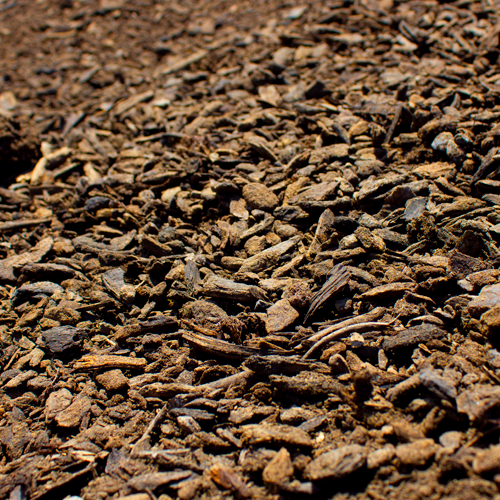
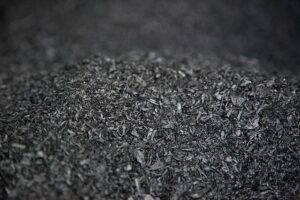
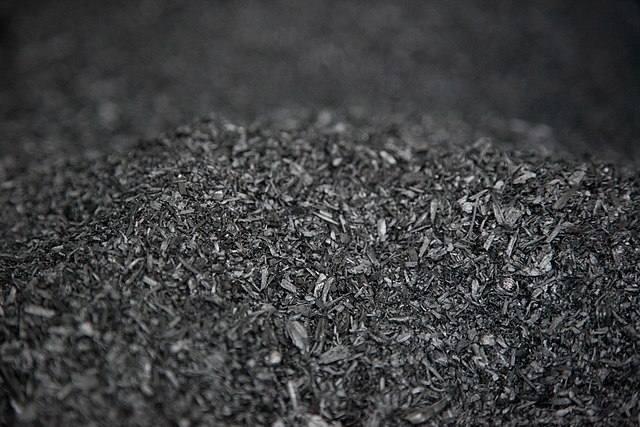
Biochar is born from the flames, a product of controlled thermal decomposition. During pyrolysis, organic materials—such as agricultural residues, forestry byproducts, and even certain types of waste—are subjected to high temperatures in the absence of oxygen. This process not only converts biomass into a stable form of carbon but also liberates volatile compounds as gases. The result is a porous, lightweight material that embodies a treasure trove of nutrients and a remarkable ability to enhance soil health.
Understanding Soil: The Kingdom Beneath Our Feet
Soil, often viewed merely as a substrate for plants, is an intricate kingdom teeming with life. It is a dynamic ecosystem, rich in microorganisms, minerals, and organic matter. The health of this subterranean realm is paramount for the growth of robust plants, which in turn sustains life above ground. Here, biochar steps in as both a savior and an enhancer, providing sustenance to this hidden universe.
Enhancing Soil Structure: The Architectural Wonder of Biochar
One of the most profound benefits of biochar is its ability to improve soil structure. Think of biochar as a keen architect, skillfully building a framework that supports the flourishing of life. Its porous nature creates a labyrinth of spaces, increasing aeration and drainage while retaining moisture. This balance is crucial; it prevents the soil from becoming overly saturated or parched, effectively catering to the needs of a myriad of plant species.
Nutrient-Rich Reservoir: The Fertilizer’s Best Friend
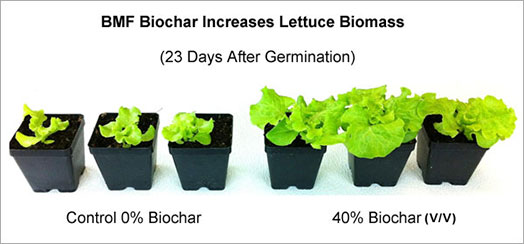
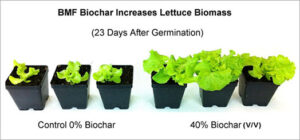
Biochar acts like a sponge, soaking up essential nutrients such as nitrogen, phosphorus, and potassium. When mixed into soil, it gradually releases these nutrients, providing a steady supply for plants. Picture a well-fed banquet table, perpetually stocked with the finest fare. As the nutrients are made bioavailable to plants, their health and vigor are significantly enhanced, leading to bountiful yields and resilient crops.
Microbial Haven: Cultivating Biodiversity
The addition of biochar to soil fosters a thriving community of microorganisms—its true inhabitants. These microbes, including bacteria and fungi, form symbiotic relationships with plant roots, enhancing nutrient uptake and organic matter decomposition. This biological renewal is akin to the rejuvenating breath of spring after a harsh winter, invigorating the soil’s fertility and promoting ecological balance.
Carbon Sequestration: A Climate Change Mitigator
As the world grapples with the escalating threats of climate change, biochar stands as a beacon of hope. By stabilizing carbon that would otherwise be released into the atmosphere, biochar serves as a formidable tool for carbon sequestration. Imagine a vault, securely storing carbon for centuries, thus mitigating greenhouse gas emissions and contributing to a cooler, more stable climate. The potential for biochar to sequester carbon on a large scale is not just a theoretical exercise—it could be instrumental in achieving global sustainability goals.
Improving Soil pH: The Balancing Act
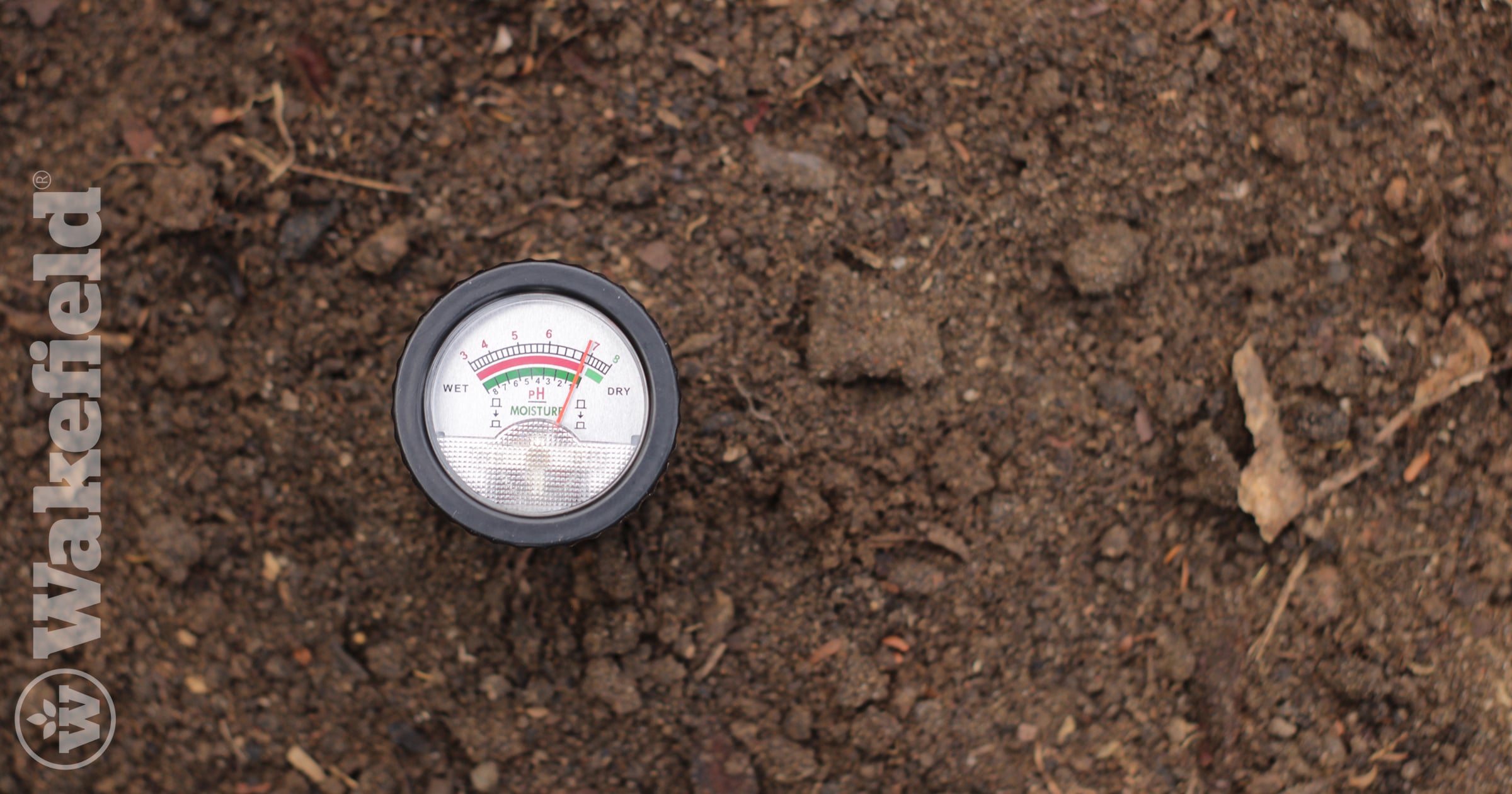
Many soils suffer from imbalances in acidity or alkalinity that can hinder plant growth. Biochar can ameliorate these conditions by influencing soil pH. Acting like a buffering agent, biochar can help neutralize acidic soils, creating a more hospitable environment for crops. Envision a grand symphony, where every note plays in harmony; biochar fine-tunes the soil’s pH, allowing plants to thrive and produce vibrant yields.
Water Management: The Hydration Master
Water scarcity is a pressing concern in many agricultural regions across the globe. Biochar, with its exceptional water-retention capabilities, can be a game-changer. Its porous structure allows it to hold onto moisture, making water readily available to plants even during dry spells. Think of biochar as a protective umbrella, shielding crops from the harsh rays of drought, ensuring their growth in the face of adversity.
Practical Applications: How to Incorporate Biochar in Your Practices
To harness the benefits of biochar, one need not be a seasoned agronomist; its integration into soil can be straightforward. Here are several practical methods:
- Mixing with Compost: Incorporate biochar into your compost piles to enhance microbial activity and nutrient availability.
- Soil Amendments: Directly integrate biochar into the soil before planting, ensuring a solid foundation for seedling growth.
- Top Dressing: Apply a thin layer of biochar on the soil surface, allowing nutrients to percolate downwards with rainfall or irrigation.
Conclusion: A Flourishing Future with Biochar
As humanity stands on the precipice of significant ecological challenges, biochar offers a unique, innovative solution that intertwines soil enhancement with carbon capture. This remarkable material not only empowers farmers and gardeners to cultivate healthier crops but also contributes to a sustainable, greener planet. By embracing the power of biochar, we can nurture both our soils and our environment, ensuring a thriving future for generations to come.