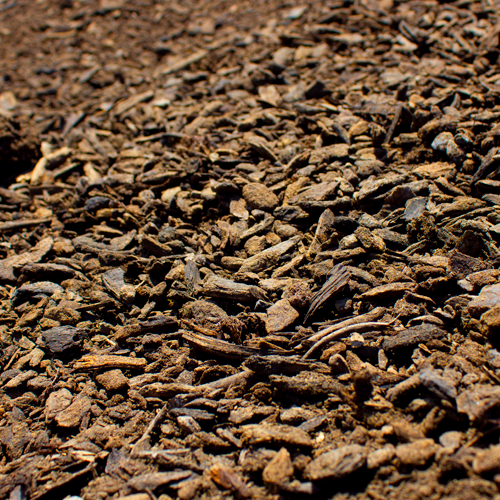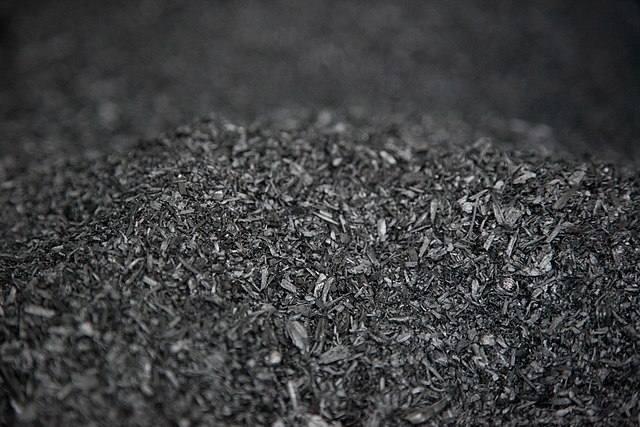
Biochar, a carbon-rich byproduct of pyrolysis, has garnered diverse attention in environmental, agricultural, and energy circles. The captivating aspect of biochar derived from animal manure lies not merely in its composition but in the myriad of benefits it offers. The process of creating biochar through slow pyrolysis yields an intriguing substance that promises to transform waste into a remarkable resource.
At its core, biochar is produced via pyrolysis, a thermal decomposition that occurs in the absence of oxygen. Slow pyrolysis specifically refers to a controlled, low-temperature method designed to facilitate the conversion of organic matter into charcoal-like material. The allure of deriving biochar from animal manure stems from its dual potential: it not only provides an avenue for sustainable waste management but also enhances soil quality, thus propelling us toward more robust agricultural practices.
One might wonder, why animal manure? Animal husbandry generates an enormous volume of waste, often leading to environmental dilemmas. Traditional disposal methods—such as land application—can result in nutrient runoff, greenhouse gas emissions, and pollution of local waterways. However, converting this nutrient-rich waste into biochar serves a multifaceted purpose: it addresses waste management issues, reduces harmful emissions, and revitalizes degraded soils.
The quality of biochar derived from animal manure varies based on several factors, including the type of animal, feed composition, and pyrolysis conditions. Poultry manure, for instance, is particularly amenable to biochar production due to its high nitrogen content and lower lignin levels, which enhance carbon retention during the pyrolysis process. Cattle and swine manures also yield biochar, albeit with different nutrient profiles, presenting unique benefits for diverse soil types and crop requirements.
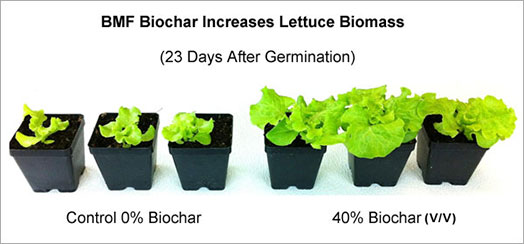
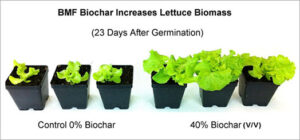
Furthermore, the biochemical interactions within the soil ecosystem provide additional dimensions to the appeal of biochar. When amended to soil, biochar can significantly improve soil structure and fertility. Due to its porous nature, biochar enhances aeration and moisture retention, creating an optimal environment for microbial activity. These benefits do not merely end with improved soil health; they also augment crop yields, a vital aspect for farmers aiming to address food security amid growing concerns about sustainability.
Another salient feature is biochar’s ability to sequester carbon. As society grapples with climate change, the prospect of using animal-manure-derived biochar as a carbon sink becomes increasingly attractive. By locking carbon within its stable structure, biochar not only mitigates atmospheric CO2 levels but also ensures that beneficial nutrients are retained within the soil ecosystem, outlasting traditional fertilizers that are prone to leaching and volatilization.
While the environmental benefits of biochar are many, it is equally crucial to consider its economic viability. The initial investment in pyrolysis technology can be daunting; however, the long-term gains—including reduced fertilizer costs, enhanced soil health, and improved resilience to drought conditions—may outweigh upfront expenditures. Additionally, the potential to sell biochar as a premium product, marketed to organic farmers or gardeners, can create new revenue streams for agricultural enterprises.
Compounding this economic rationale, the production of biochar can also dovetail with energy generation. Pyrolysis systems for biochar production often generate syngas, a combustible gas that can be harnessed for energy needs. This co-production of energy not only makes the process more self-sufficient but also provides an additional incentive for farmers and producers to invest in pyrolysis technology.
Moreover, a symbiotic relationship exists between biochar and the burgeoning zero-waste movement. Utilizing animal manure to produce biochar epitomizes waste-to-resource initiatives that are gaining traction in sustainability discussions. Transitioning to such practices boosts local economies and fosters a circular economy framework, wherein agricultural residues are repurposed rather than discarded.
Despite these promises, challenges remain. The field of biochar research is still maturing, with ongoing investigations aimed at understanding the long-term impacts of biochar application on soil health and crop productivity. Variability in biochar properties necessitates a tailored approach: not all biochars are created equal, and recommendations for application rates and methods must be grounded in empirical research.
The inherent variability further underscores the need for education on biochar utilization. Producers and landowners must be informed about best practices in pyrolysis, application methods, and the agronomic implications of biochar use. Extension services and research institutions must collaborate to ensure that scientific knowledge translates effectively into practical applications within farming communities.
In conclusion, biochar from animal manure encapsulates a narrative of innovation, sustainability, and regeneration. As agricultural landscapes face challenges associated with climate change, soil health deterioration, and waste management, the promise of biochar unfurls a pathway toward sustainable agriculture that harmonizes economic viability and environmental stewardship. In a landscape demanding change, the allure of biochar shines brightly, embodying the potential to transform how we conceptualize waste while revolutionizing our agricultural practices for future generations.