Within the verdant tapestry of agricultural innovation, biochar emerges as a notable thread, interwoven with the potential to elevate crop yields while nurturing the soil beneath our feet. This pyrolyzed organic matter is not merely a product of combustion; it represents a beacon of hope for sustainable farming practices, an alchemical transformation of waste into a resource that rejuvenates land and empowers farmers. Herein lies an exploration of biochar’s multifaceted impacts on crop yield and soil water availability, synthesized from a wealth of empirical studies.
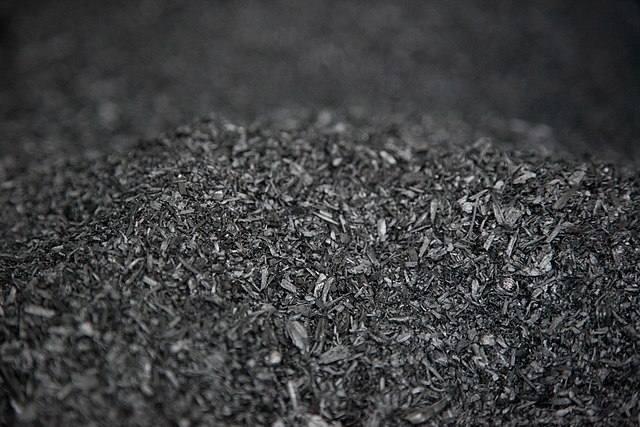
The genesis of biochar is not unlike the mythical phoenix, rising from the ashes of forest debris, agricultural residues, and other organic materials subjected to a process of pyrolysis—a form of decomposition in the absence of oxygen. The marvel of biochar lies in its unique physical and chemical properties, which bestow it with a capacity to enhance soil functionality significantly. When introduced to soils, biochar acts as both a catalyst and a facilitator, creating a microenvironment conducive to the flourishing of crops.
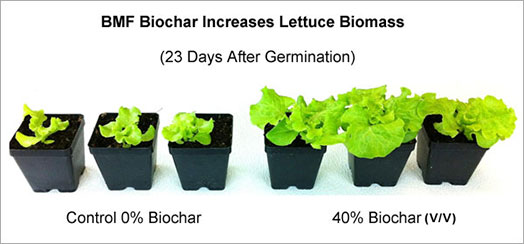
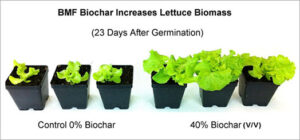
To grasp the essence of how biochar affects crop yields, one must first consider its interaction with soil structure. Much like the bricks in a sturdy wall, biochar particles enhance soil aggregation, fostering a soil matrix that is resilient and robust. This improved soil architecture benefits aeration and root penetration, essential ingredients for plant health. Studies indicate that biochar amendments can lead to yield increases of 10% to 30%, depending on the specific crop and soil conditions. These figures are not mere statistics; they represent increased livelihood, greater food security, and the potential to sustainably feed an ever-growing population.
However, the influence of biochar extends beyond mere enhancement of yield. The enigmatic relationship between soil water retention and biochar addition is a phenomenon deserving of exploration. The porous nature of biochar means it can hold significant quantities of water, much like a sponge eagerly absorbing moisture. As climate extremities increasingly pervade agricultural ecosystems, the ability of biochar to retain soil moisture becomes invaluable, especially in regions prone to drought. Studies have unveiled that soils enriched with biochar can experience a water retention improvement that may reach up to 20%, allowing crops to thrive even under less-than-ideal moisture conditions.
Moreover, this hydrophilic characteristic of biochar acts as a double-edged sword. While it provides immediate benefits in water conservation, it also facilitates enhanced nutrient retention. Traditional soil amendments can leach nutrients away, much like grains of sand slipping through fingers. In contrast, biochar serves as a nutrient reservoir, binding elements such as nitrogen and phosphorus and releasing them gradually, aligning nutrient availability with plant demand. This synergy not only fosters vigorous plant growth but also mitigates the risks of nutrient runoff into waterways, thereby addressing environmental concerns of agricultural practices.
Nevertheless, the relationship between biochar and specific crop types warrants deeper scrutiny. Different species exhibit variable responses to biochar amendments, a phenomenon that epitomizes the complexity of ecological systems. For instance, legumes—with their symbiotic tendencies—may harness the benefits of biochar differently than root vegetables or cereals. In examinations wherein varied crops intermingled with biochar, results demonstrated enhanced biomass and increased pathogen resistance in legumes, while cereals reflected substantial increases in grain yields stemming from improved soil conditions.
Equally imperative is the coalescence of biochar with other agricultural practices. When integrated with crop rotation, cover cropping, or no-till practices, the effects of biochar can be magnified. The holistic approach of combining these methods allows farmers to optimize not just yields, but also the health of their soils, embodying a regenerative agricultural philosophy. This synergy fosters resilience against pests and diseases and promotes biodiversity in soil biomes, reminiscent of an orchestra, each instrument playing harmoniously for a collective crescendo.
Despite the promising outcomes of biochar integration into agricultural practices, challenges persist. The need for tailored biochar formulations, specific to local soil conditions and crop requirements, is paramount. Furthermore, the economic feasibility of producing or acquiring biochar may pose barriers for smallholder farmers, particularly in developing regions. Addressing these concerns necessitates collaborative research, policymaking, and access to biochar technology to bridge the gap between potential and practice.
In conclusion, the journey of biochar from waste material to a transformative agricultural agent is both inspiring and illuminating. The compendium of studies reveals a narrative rich with implications for crop yields and soil water availability. Biochar, with its profound ability to amend soil structure, retain moisture, and enhance nutrient dynamics, stands poised to revolutionize agriculture. As we navigate the future of food security against the backdrop of climate change, the adoptive use of biochar may very well be the key to unlocking sustainable agricultural pathways. Fertile fields can flourish, rich in both yield and resilience, echoing the age-old dance of nature and nourishment, where waste transforms into a lifeline for the soil and sustainer of life itself.