In recent years, the climate crisis has prompted scientists, policymakers, and entrepreneurs alike to explore innovative solutions capable of altering the trajectory of global warming. Among the myriad of proposals, biochar, a charcoal-like substance produced through the pyrolysis of organic matter, has emerged as a notable contender in the battle against climate change. Could this ancient technique potentially unlock a sustainable future for our planet? While the answer is promising, the implementation and scale-up present formidable challenges.
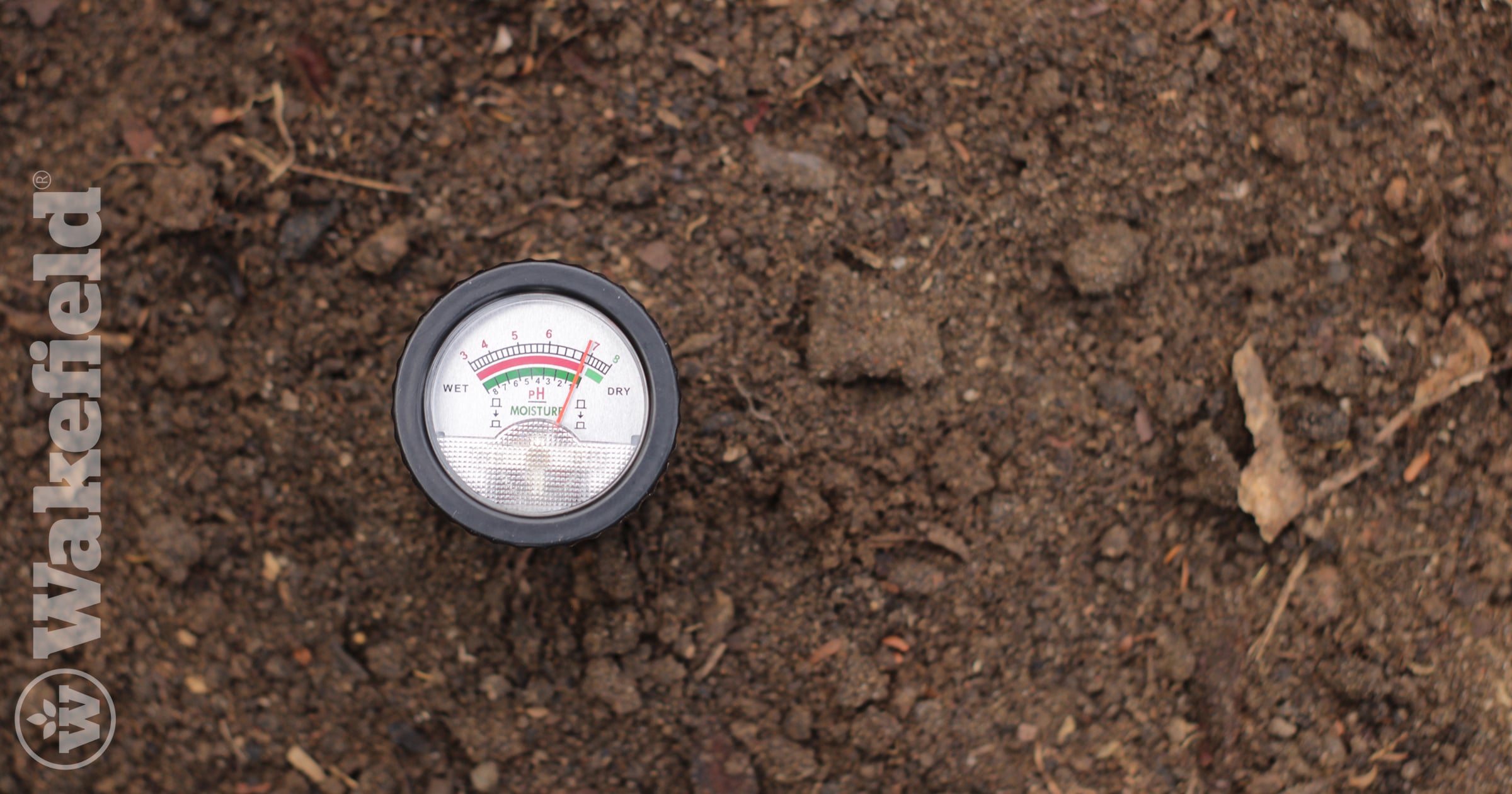
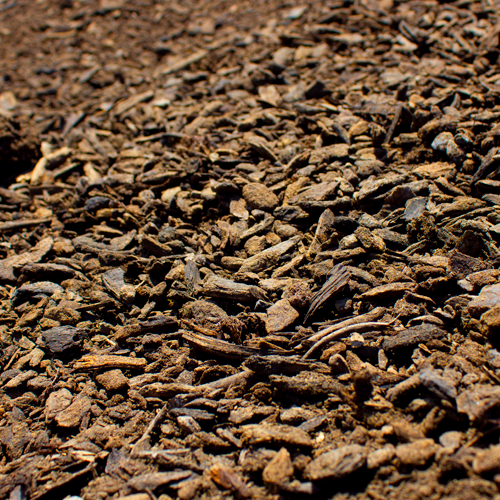
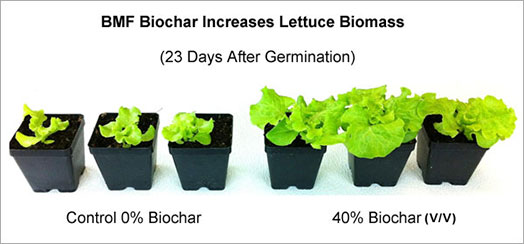
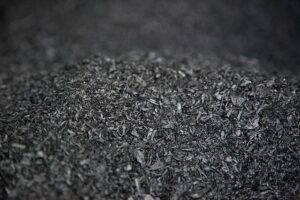
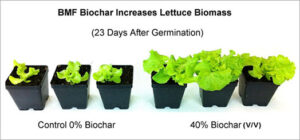
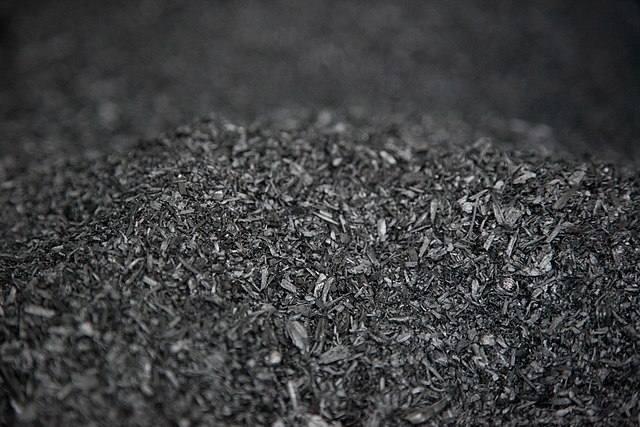
Firstly, it’s imperative to understand what biochar is and how it is produced. Biochar results from the thermal decomposition of organic materials—ranging from agricultural waste to forestry byproducts—in an oxygen-limited environment. This process not only creates a stable form of carbon but also offers a multitude of benefits including soil enhancement and pollutant filtration. When incorporated into the soil, biochar can sequester carbon for hundreds to thousands of years, effectively removing it from the atmosphere and mitigating climate change. More than a simple carbon sink, biochar also enhances soil fertility, improving crop yields and reducing the need for chemical fertilizers.
But how does this magical substance actually work? The process of carbon sequestration through biochar can be visualized as a long-term carbon storage strategy. During its production, organic materials are converted into carbon-rich char while releasing volatile compounds and gases like methane and CO2. The end product, when applied to soils, not only locks additional carbon into the ground but also creates a porous medium that improves retention of nutrients and water. This dual-action reduces the reliance on fertilizers while simultaneously adapting agricultural practices to a changing climate.
However, the introduction of biochar into worldwide farming practices does not come without its hurdles. One of the biggest challenges is the scale at which biochar must be produced. Transitioning from conventional agricultural practices to those incorporating biochar involves persuading farmers to adopt new techniques, which may require significant upfront investment. Can farmers afford to make the shift? This leads to a broader political and economic debate about the incentives necessary to fund such a transition. Without adequate subsidies, governments will struggle to motivate farmers to embrace the biochar revolution.
Moreover, the type of feedstock used for biochar production raises another contentious issue. While agricultural byproducts promise a relatively carbon-neutral footprint, excessive reliance on specific feedstocks could lead to unintended ecological consequences. Over-harvesting of certain crops or trees could disrupt local ecosystems, challenging the very sustainability that biochar aims to promote. Are we risking the preservation of biodiversity in our quest for climate solutions?
Furthermore, there exists a significant knowledge gap when it comes to the appropriate application of biochar. Different soils react uniquely to biochar application, influenced by local climatic conditions and existing soil health. The lack of standardized guidelines creates confusion among practitioners, which may deter the adoption of biochar as an agricultural amendment. Educational programs aimed at farmers and extension agents are essential for disseminating research and best practices to ensure that biochar is applied effectively.
Despite these challenges, the potential of biochar in climate change mitigation is immense. Ongoing research is detecting new and exciting applications. For instance, biochar can serve as a filtration medium to treat wastewater, effectively removing heavy metals and pollutants before they enter natural waterways. Such innovations can have cascading benefits, not only improving water quality but also enhancing local ecosystems and ensuring a sustainable water supply. Could this be the multi-faceted approach we have been seeking in our fight against climate adversities?
In addition to its environmental benefits, biochar has economic implications that can provide a robust return on investment. The production of biochar can create jobs within rural communities, particularly in regions that are heavily reliant on agriculture. The process can support local industries focused on biomass processing, offering economic diversity to areas adversely affected by climate impacts. Additionally, as awareness of climate change expands, the carbon credits associated with biochar sequestering practices provide an alluring financial incentive. It raises the question: how much can the carbon market incentivize change among traditional agricultural practices?
Adopting biochar on a broader scale is further supported by a growing number of successful pilot projects across various countries. These initiatives highlight the potential for biochar to improve soil health, enhance food security, and contribute to climate resilience. Various agricultural research institutions are collaborating with farmers to validate specific applications and share insights into the technology’s real-world impact. The hope is that continued research will stimulate further interest and investment from both the public and private sectors, streamlining the integration of biochar into mainstream agriculture.
The juxtaposition of promise and challenge encapsulates the dynamic nature of biochar as an avenue for climate change mitigation. Embracing such an innovative solution requires not only scientific advancements but also social and economic restructuring. It calls for a shift in mindset about how we view waste, agriculture, and the environment. Progress hinges on overcoming barriers while fostering collaboration among stakeholders across sectors. As we gaze toward a more sustainable horizon, biochar stands as a beacon of hope. Will we harness its promise, or will it remain a mere footnote in the annals of climate solutions?
The future remains uncertain, yet the exploration of biochar as a tool for climate change mitigation offers invigorating possibilities. By addressing the challenges head-on and bridging the gaps between knowledge, practice, and policy, we may pave the way for a greener tomorrow.