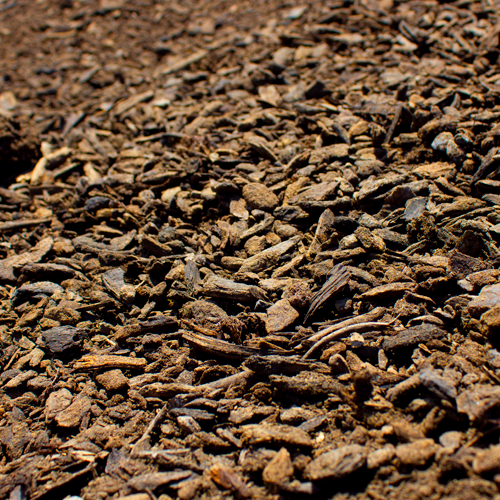
In recent years, the adoption of biochar in Colorado has emerged as a groundbreaking agricultural practice, transforming the landscape of soil health and environmental sustainability. This innovative material, created through the carbonization of organic matter, is not merely a waste product but a treasure trove of benefits waiting to be unearthed. In this comprehensive exploration, we will delve into the uncharted territories of biochar, examining its use, impacts, and the promising transformations it heralds for Colorado’s ecosystems and agricultural frameworks.
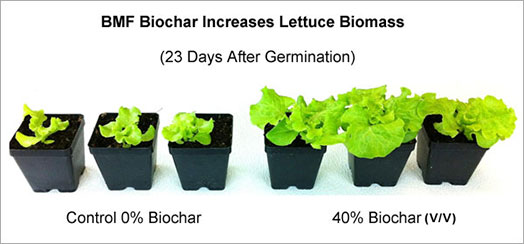
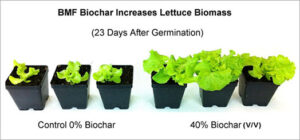
Biochar’s meteoric rise in Colorado can be attributed to its multifaceted benefits. First and foremost, this charcoal-like substance significantly enhances soil fertility. Composed primarily of carbon, biochar has an extraordinary capacity for retaining moisture and nutrients. In a state where water scarcity is a perennial concern, particularly with the ongoing threats of climate change, this characteristic is nothing short of revolutionary. Argiculturalists have reported that integrating biochar into soil can drastically improve its water-holding capacity, thus reducing irrigation needs. This advantage not only aids in crop resilience during drought conditions but also fosters sustainable farming practices across the region.
Moreover, biochar acts as a formidable ally in the battle against climate change by sequestering carbon in the soil. Unlike conventional agricultural practices that may release carbon dioxide back into the atmosphere, the application of biochar locks carbon away for centuries, or even millennia. This stable storage significantly diminishes greenhouse gas emissions, positioning biochar as a potential cornerstone in Colorado’s strategies for achieving climate neutrality. By adopting this method, farmers are not just enriching their soil; they are also contributing to a larger ecological balance.
The regional impact of biochar adoption extends beyond agricultural fields. Communities in Colorado are witnessing a renaissance of interest in sustainable practices. As agricultural producers embrace biochar, they are often seen leading efforts to educate their neighbors and local stakeholders about its merits. Workshops and training opportunities sprout like wildflowers across the landscape, inviting farmers, ranchers, and students alike to partake in this knowledge-sharing journey. This grassroots movement bolsters a collective consciousness towards sustainability, fostering a collaborative spirit that is necessary for adopting any enduring change.
Furthermore, the utilization of biochar entails significant economic implications. The burgeoning biochar market is enhancing local economies by creating jobs within production, distribution, and application sectors. Innovators are exploring various pathways for biochar production, from small-scale community operations to larger, more industrial approaches. This diversification in production methods not only provides employment opportunities but also encourages a community-centered approach that aligns with Colorado’s values of localism and sustainability.
As the adoption of biochar expands, it brings to light other promising applications that enhance regional ecological health. For instance, biochar can be utilized in stormwater management and land reclamation projects. Its porous nature allows for improved water infiltration and nutrient retention, making it an ideal candidate for combating erosion and enhancing the structure of degraded soils. Urban planners and environmental engineers in Colorado are beginning to integrate biochar into green infrastructure projects, demonstrating its versatility beyond agriculture and into the realm of environmental restoration.
Additionally, the implications for livestock farming must not be overlooked. Biochar can be introduced into animal feed, where it serves as an effective digestive aide and toxin absorber, thereby promoting an overall healthier herd. Farmers have reported improvements in animal health and productivity when biochar is incorporated into rations. This not only increases the viability of livestock operations but also aligns with the broader goals of reducing the carbon footprint associated with animal farming.
The introduction of biochar technologies has the potential to invigorate educational institutions in Colorado. Colleges and universities are beginning to establish research programs dedicated to exploring biochar’s properties, applications, and impacts on soil health and community resilience. Collaborations between academic entities and agricultural practitioners serve to bridge the gap between research and real-world applications, nurturing a new generation of environmentally conscious farmers, scientists, and entrepreneurs.
However, as with any burgeoning technology, the journey of biochar adoption is not devoid of challenges. Regulatory frameworks, public perception, and economic viability must be navigated carefully to facilitate wider acceptance. The need for scientifically backed evidence to bolster claims regarding biochar’s effectiveness is paramount. Research initiatives can provide the necessary data to validate its benefits, thus encouraging more stakeholders to invest in this innovative practice.
Ultimately, the adoption of biochar in Colorado is a testament to the resilience and ingenuity of agricultural communities in the face of climate change and ecological degradation. It embodies a paradigm shift, weaving together environmental stewardship with agricultural productivity. Its potential for soil enhancement, carbon sequestration, and community engagement reveals a multifaceted approach to sustainable development that piques curiosity and promises an inviting glimpse into a greener future.
As Colorado continues to harness the benefits of biochar, it serves as a beacon of hope and inspiration for other regions contemplating similar practices. This innovative movement not only stands to transform agricultural landscapes but also offers a comprehensive solution that interconnects ecological integrity with economic vitality. The time to embrace biochar is ripe, and the possibilities it presents are as expansive as the Colorado sky itself.