Biochar has emerged as a transformative element in sustainable agriculture, especially notable for its synergistic relationship with composting. By integrating biochar into composting practices, we not only enrich the compost but also create a host of benefits for soil health and environmental sustainability. This article delves into the multifaceted role of biochar in composting, examining its composition, benefits, preparation methods, and practical applications.
Understanding Biochar: Composition and Properties
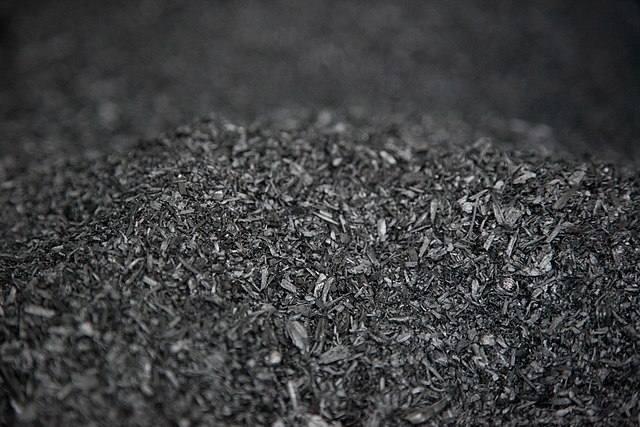
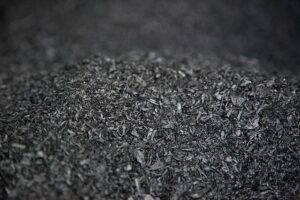
Biochar is a carbon-rich material generated through the pyrolysis of organic matter. This process, which involves heating biomass in a low-oxygen environment, effectively transforms the feedstock into a stable form of carbon, known for its longevity in soil. Composed primarily of stable carbon along with various ash components, minerals, and volatile compounds, biochar exhibits a porous structure. This unique morphology facilitates moisture retention and creates a habitat for beneficial microorganisms.
The varying feedstocks—from agricultural residues to forestry by-products—yield different types of biochar, each with distinct properties. This diversity allows for tailored applications in composting, depending on the intended outcomes in soil enhancement and crop productivity. Understanding these nuances is fundamental for gardeners and farmers exploring the incorporation of biochar into their composting endeavors.
The Benefits of Incorporating Biochar into Compost
Integrating biochar into composting practices presents an array of compelling benefits:
- Enhanced Nutrient Retention: Biochar’s porous nature acts as a sponge, capturing nutrients such as nitrogen, phosphorus, and potassium. This retention not only prevents nutrient leaching but also ensures that these essential elements are readily available to plants.
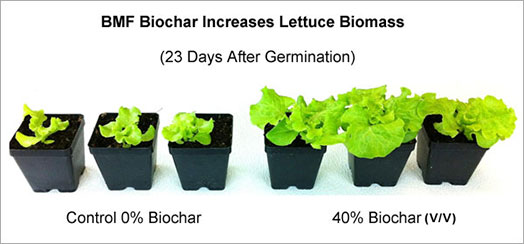
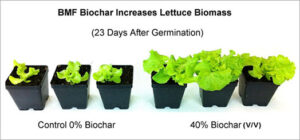
- Improved Soil Structure: When added to compost, biochar helps in creating aggregates in the soil. This enhances aeration and promotes root development, thereby improving overall plant health.
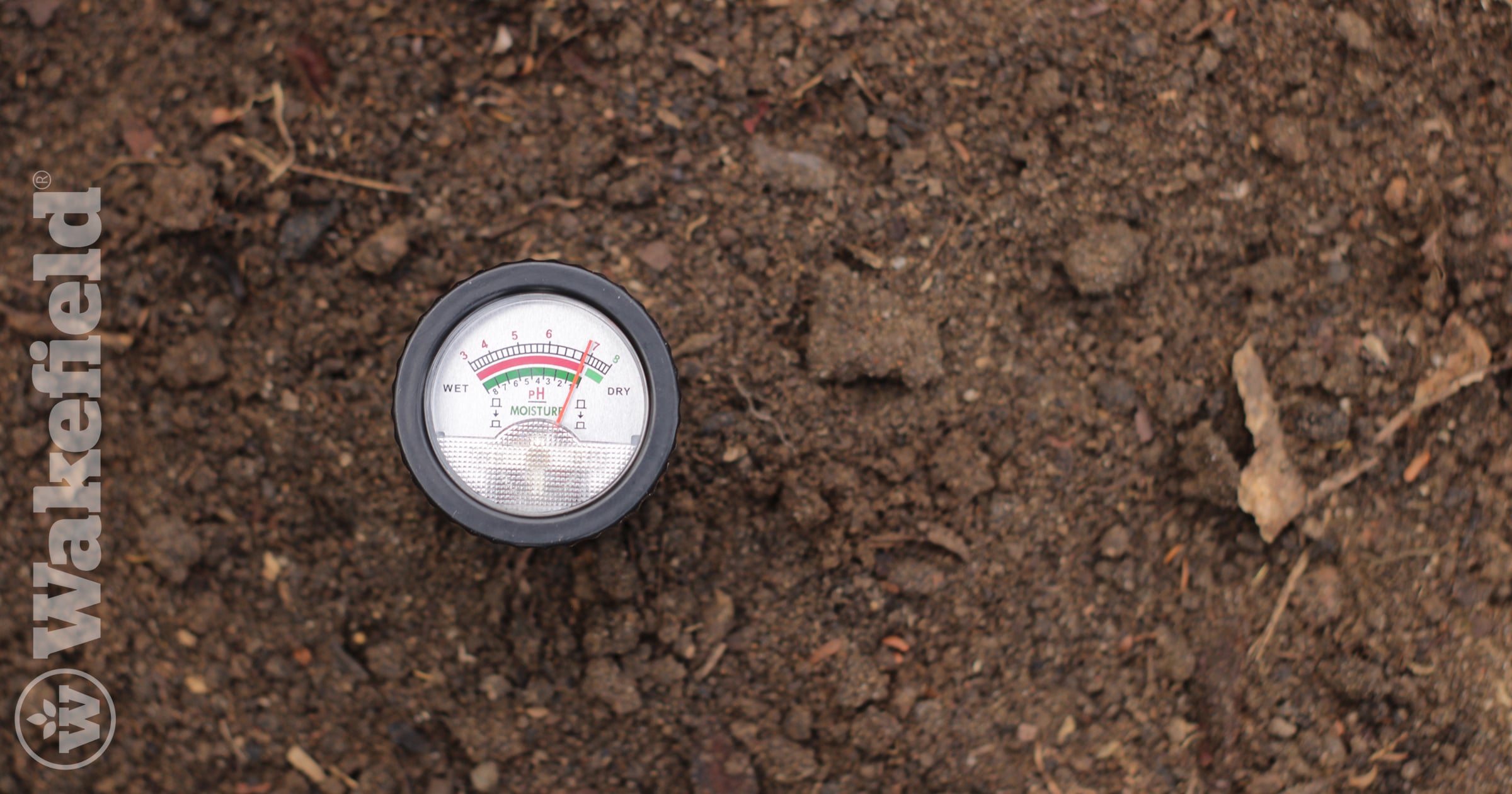
- pH Balancing: Many types of biochar possess alkaline properties, making them effective in neutralizing acidic soils. This characteristic is particularly beneficial in enhancing the growth conditions for a diverse range of crops.
- Increased Microbial Activity: The complex surface area of biochar provides a habitat for beneficial microbes. These microorganisms play a crucial role in decomposing organic matter, leading to accelerated composting processes.
- Carbon Sequestration: Biochar is known for its role in carbon sequestration, which mitigates climate change by storing carbon in a stable form for hundreds to thousands of years.
Collectively, these benefits position biochar as an indispensable tool in sustainable composting practices, enabling both environmental stewardship and agricultural productivity.
Preparation of Biochar for Composting
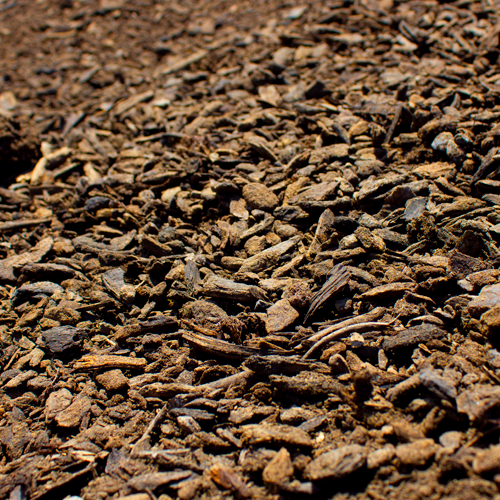
The preparation of biochar before its incorporation into compost requires careful consideration. The selection of feedstock is paramount, as it determines the final characteristics of the biochar. Common feedstock options include wood chips, crop residues, and manure. Each material will influence the nutrient content and stability of the resulting biochar.
Following feedstock selection, the pyrolysis process ensues. Depending on the scale of production, biochar can be produced in small-scale systems, such as TLUD or retort kilns, or in large-scale industrial pyrolysis facilities. Regardless of the method, achieving the right temperature and duration is critical to yield high-quality biochar with the necessary physical and chemical properties.
After pyrolysis, the cooling phase is essential to prevent combustion and ensure the biochar remains stable. Once cooled, biochar can be sieved to achieve the desired particle size, enhancing its application in compost. Ideally, the biochar should be aged or pre-charged with nutrients before mixing it with compost to optimize its efficacy.
Practical Applications of Biochar in Composting
The application of biochar in composting can take various forms, each adapted to specific gardening or agricultural contexts:
- Biochar-Infused Compost: Incorporating biochar directly into compost piles or bins allows for a synergistic effect, enhancing the composting process while imbuing the finished compost with biochar’s beneficial properties.
- Topdressing with Biochar-Compost Mix: Once the composting process is complete, a biochar-rich compost can be topdressed onto garden beds. This application can boost soil fertility while improving water retention for plants.
- Soil Amendment: Biochar can also be mixed straight into the soil as a long-term amendment. This promotes not only immediate benefits but also sustained soil enhancement over time.
- Container Gardening: For urban gardeners, mixing biochar with potting soil presents an effective strategy for improving drainage and nutrient availability in limited spaces.
These application methods highlight the versatility of biochar, allowing for integration into various gardening and farming strategies that seek to enhance soil fertility and sustainability.
Challenges and Considerations
Moreover, the optimal ratio of biochar to compost requires experimentation and adjustment based on specific plant needs and soil conditions. Careful monitoring of the composting process will yield the best results, adapting methods and timings to accommodate the unique environment of each garden or farm.
Conclusion
In summary, the integration of biochar into composting presents a forward-thinking approach to sustainable agriculture. By understanding its composition, embracing its myriad benefits, and employing thoughtful application methods, gardeners and farmers can significantly improve soil health while addressing pressing environmental concerns. As interest in eco-friendly practices continues to grow, biochar stands at the forefront of innovative composting solutions, paving the way for a more sustainable future in agriculture.