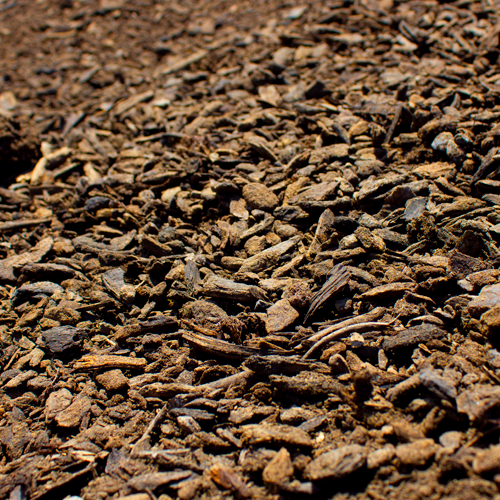
As gardeners and horticulturists seek innovative solutions for enriching their soils, one method is gaining momentum: bi-char. A carbon-rich product derived from the pyrolysis of organic materials, biochar has piqued the interest of many due to its potential benefits in gardening and farming. But while the allure of biochar may be irresistible, it’s essential to dissect the pros, cons, and nuances that lie within this earthy marvel.
The Allure of Biochar: What Makes It So Attractive?
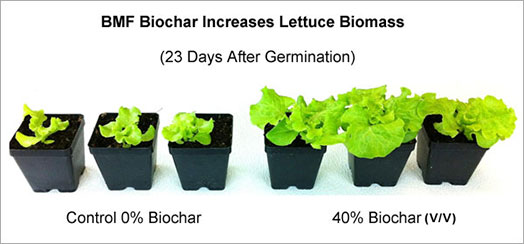
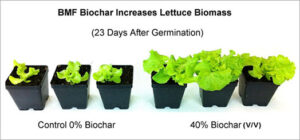
Biochar is celebrated for its impressive capacity to improve soil health. One of its most compelling features is its ability to enhance soil structure. When incorporated into the soil, biochar increases aeration, thereby fostering healthy root growth. Furthermore, its porous nature creates habitats for beneficial microorganisms, which are vital in maintaining a thriving ecosystem beneath the surface. Isn’t it delightful to envision a vibrant community of microbes bustling about, enhancing nutrient availability?
Another remarkable aspect of biochar is its influence on soil moisture retention. In times of drought, this carbon-rich material can act as a sponge, holding water and making it accessible to plants. The water-holding capacity of biochar can significantly reduce the frequency of irrigation, which not only conserves water but also lowers gardening costs over time. However, this invites the playful question: can we truly rely on biochar to mitigate the impacts of climate change on water resources?
Fostering Nutrient Availability
Biochar is also known for its unique chemical properties that can enhance nutrient availability in soil. When newly added, biochar can sequester nutrients like nitrogen and phosphorus, gradually releasing them to plants over time. This slow-release mechanism ensures that plants have access to nutrients precisely when they need them, avoiding the leaching that often accompanies synthetic fertilizers. Therefore, one can make a compelling case that integrating biochar into horticulture may herald a new era of sustainable nutrient management.
The Cons: Challenges and Considerations
Another concern arises from the initial investment and labor required for biochar application. Preparing and applying biochar can be labor-intensive and may incur costs that deter some gardeners. The process of obtaining quality biochar, whether through purchasing or producing it, necessitates considerable forethought and planning. For those with limited resources or time, this challenge can be a formidable barrier to entry.
The Surprising In-Betweens: Nuances Worth Noticing
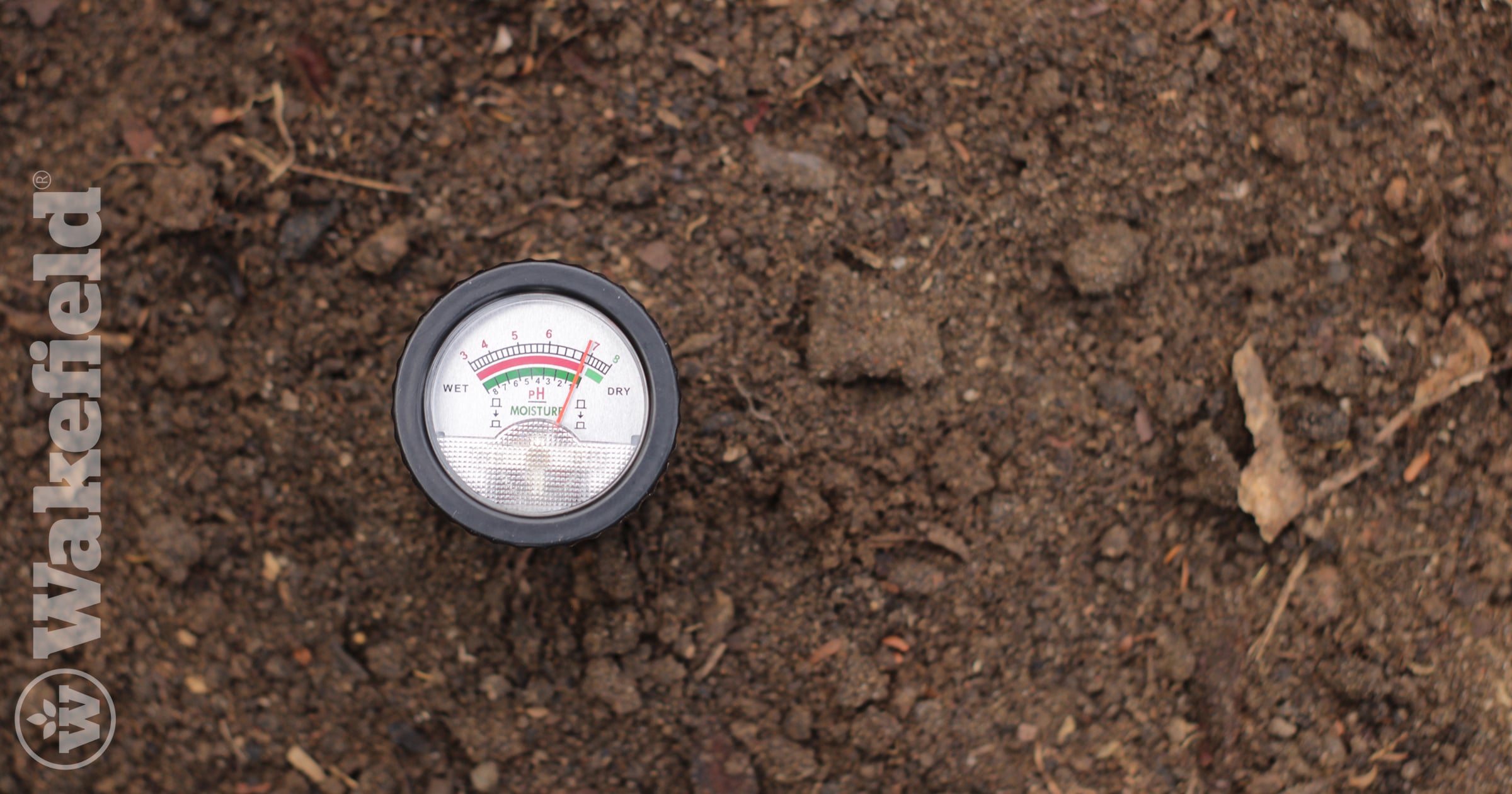
Conversely, while biochar can enhance soil fertility, excessive application may lead to imbalances. A classic case in point is the risk of nutrient lock-up, where the biochar absorbs too many nutrients, rendering them less available to plants. Finding the appropriate application rates can be complicated, making it essential for gardeners to conduct thorough soil testing to tailor their biochar strategy effectively.
Environmental Perspectives
From an environmental standpoint, biochar is hailed for its long-term carbon sequestration potential. When biomass is converted into biochar, it locks carbon into a stable form, potentially mitigating greenhouse gas emissions in the atmosphere. This aspect aligns beautifully with contemporary goals of combating climate change. Nevertheless, it also poses a provocative question—are we placing too much emphasis on biochar as a panacea for agricultural emissions without considering other critical factors in sustainable practices?
Conclusion: A Multifaceted Approach
As we contemplate the role of biochar in horticulture, it is clear that a multifaceted approach is necessary. The benefits of improved soil structure, moisture retention, and nutrient availability are compelling, yet the challenges associated with variability, application costs, and potential nutrient imbalances warrant careful consideration. Moreover, the unexpected intricacies of biochar’s influence on soil acidity and carbon sequestration add another layer of intrigue to its application.
Ultimately, the adoption of biochar represents both an exciting opportunity and a set of challenges. With its myriad advantages and considerations, biochar invites us to explore further and gain a deeper understanding of how it can transform horticultural practices for the better. Armed with knowledge and mindfulness, gardeners can harness the potential of biochar while navigating its complexities. Will you consider joining this earthy revolution? The garden awaits your thoughtful deliberation!