In the quest for sustainable food systems and ecological balance, regenerative agriculture has emerged as an innovative paradigm. At its core lies a promising tool that beckons agriculturalists: biochar. This carbon-rich material, often produced from the pyrolysis of biomass, is gaining traction for its multifaceted benefits in restorative farming practices. But what exactly makes biochar essential in this regenerative journey? Let’s delve into the myriad reasons it represents a pivotal shift in perspective for modern agriculture.
Understanding Biochar: A Carbon Treasure
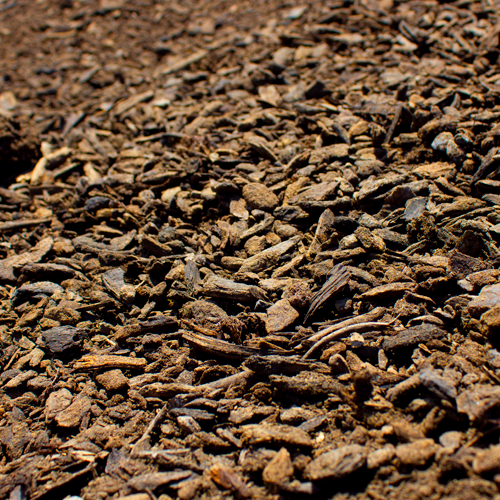
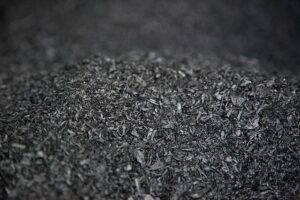
Biochar is not merely charcoal; it is a sophisticated byproduct derived from the thermal decomposition of organic materials in a low-oxygen environment. The creation of biochar intentionally locks carbon in a stable form, which can sequester atmospheric CO2 for centuries, if not millennia. This tremendous longevity is one of the key attractions for its use in regenerative agriculture, providing a robust countermeasure against climate change.
Furthermore, biochar’s porous structure enhances soil health. It acts as a habitat for beneficial microorganisms and aids water retention, vital for plant health, especially during dry spells. Such attributes render biochar a cornerstone for nurturing resilient agroecosystems—one that can thrive against adversities posed by environmental shifts.
The Rediscovery of Soil Health
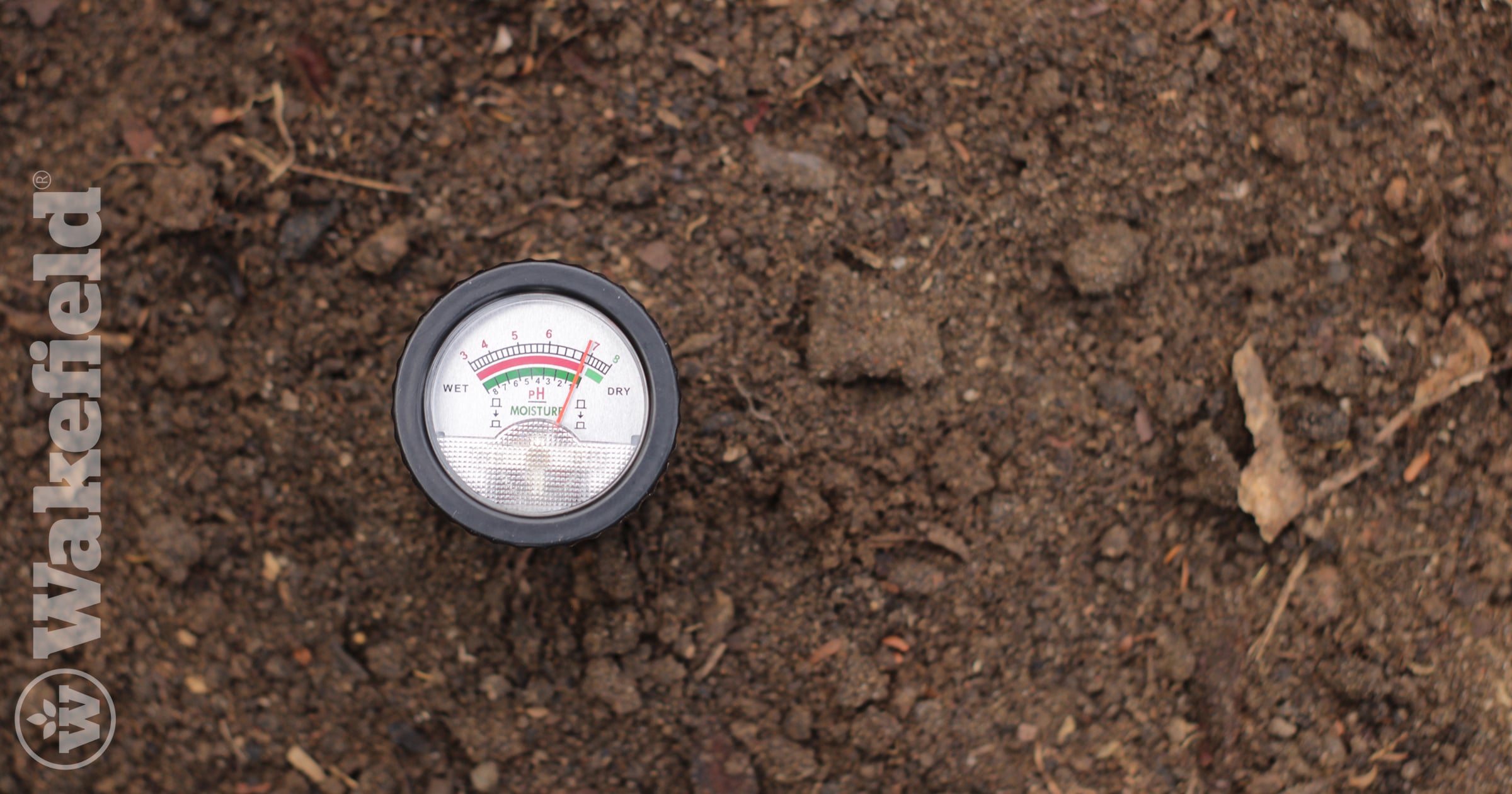
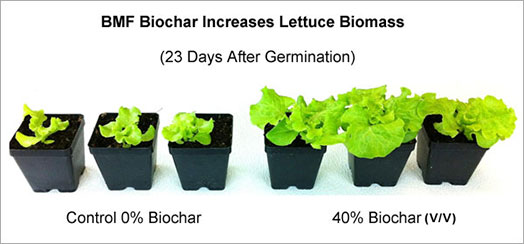
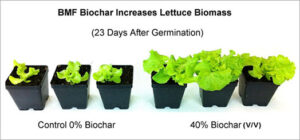
Regenerative agriculture emphasizes the importance of soil health as a living entity rather than an inert medium. Healthy soil teems with biodiversity, fosters efficient nutrient cycling, and supports plant growth. Biochar has demonstrated its extraordinary capacity to enhance soil properties significantly. When integrated into soil systems, biochar can improve soil structure, increase nutrient availability, and optimize pH levels. These changes can make the soil more productive, translating into a more bountiful harvest.
The nutrient retention capability of biochar is particularly noteworthy. By increasing cation exchange capacity (CEC) in soils, it attracts and holds onto essential nutrients that would otherwise leach away. This retention can reduce the reliance on synthetic fertilizers, lessening the detrimental impacts of agricultural runoff on local waterways and ecosystems.
A Remedy for Soil Degradation
Soil degradation is a pressing global concern, fueled by industrial agriculture practices that deplete organic matter and diminish soil fertility. Biochar embodies an eco-friendly remediation strategy to counteract these afflictions. By restoring the organic carbon content and structure of degraded soils, biochar can reinvigorate land that has lost its agricultural potential.
Several empirical studies have revealed the profound impact of biochar on the restoration of degraded soils. In regions afflicted by erosion, compaction, and nutrient depletion, the application of biochar has demonstrated substantial improvements in soil quality and function. Farmers adopting biochar in their regenerative practices are not just rejuvenating their lands—they are contributing to a larger movement toward sustainability.
Climate Resilience: Building a Buffer
In an era where climate change poses existential threats to food security, biochar offers a pathway to improved resilience against extreme weather events. The enhancement of soil water retention is critical in drought-prone areas, enabling crops to survive longer periods without rainfall. Conversely, biochar also aids in combating soil erosion during intense rainfall—keeping vital topsoil intact and reducing sedimentation in adjacent water bodies.
Additionally, biochar’s ability to mitigate soil salinity further underscores its significance in regenerative agriculture. Its application in arid and semi-arid regions can help buffer the impacts of salinization, ensuring sustainable cropping practices in areas that may otherwise be abandoned.
Encouraging Biodiversity
With climate change inducing a reshuffling of ecosystems, maintaining biodiversity is crucial. Biochar application creates a hospitable environment for a myriad of soil organisms, including bacteria, fungi, and earthworms. These organisms play a vital role in nutrient cycling, organic matter decomposition, and disease suppression, contributing to a balanced ecosystem.
Moreover, the intricate body of life supported by biochar enriches soil fertility, promoting healthier plants and yields while fostering resilience against pests and diseases. In this vibrant ecological tapestry, regenerative agriculture through biochar application can enhance farming productivity while ensuring biodiversity is preserved.
Economic Benefits for Farmers
The economic rationale for adopting biochar within regenerative practices cannot be overlooked. As consumers increasingly prioritize sustainably sourced products, farmers leveraging biochar can cater to this burgeoning market. Additionally, the reduction in chemical fertilizer use translates into cost savings, creating an economically viable pathway for farmers to embrace more sustainable agricultural techniques.
Furthermore, the potential carbon credits associated with biochar application may provide additional income streams for farmers. As the world collectively shifts toward carbon responsibly, biochar could represent an invaluable asset for those engaged in regenerative agriculture.
A Future Proofing Agricultural Ecosystems
As the world grapples with the challenges of food security and environmental degradation, biochar stands at the intersection of innovation and sustainability, promising to transform regenerative agriculture. Each application not only enriches the soil but propels a broader movement toward ecological consciousness. Its myriad benefits—from improving soil health and enhancing resilience against the unpredictable climate to supporting biodiversity and enhancing economic viability—underscore why biochar is becoming essential in the arsenal of modern agriculture.
In the fertile dialogue surrounding regenerative agriculture, biochar compels a renewed appreciation for soil as a living entity. Its potential to reshape the agricultural landscape is profound, urging us to look beyond conventional practices and to cultivate a more harmonious relationship with the environment. The time has come to embrace biochar and foster an agricultural movement that nurtures the planet while feeding its inhabitants.