As climate change continues to loom as one of the most pressing global challenges, innovative solutions like biochar have garnered increasing attention. This multifunctional material, derived from the pyrolysis of organic matter, serves not only as a potent carbon sequestration tool but also as a versatile resource that can benefit agriculture and environmental management. The awe surrounding biochar is merited by its diverse applications and potential to foster ecological balance, prompting a closer examination of its scientific underpinnings and myriad advantages.
The Science of Biochar: Carbon Sequestration Unveiled
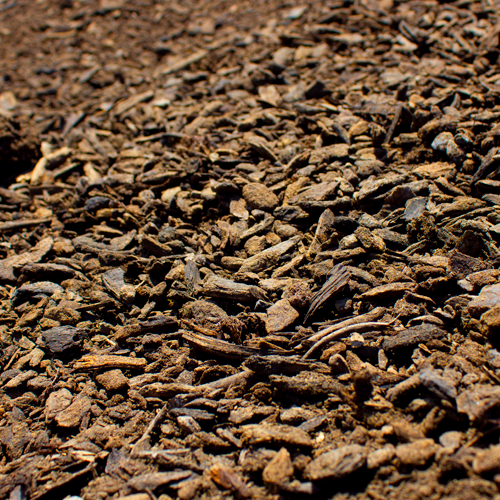
At the heart of biochar’s appeal lies its ability to sequester carbon. Through pyrolysis, organic materials such as wood, crop residues, or manure are thermally decomposed in a low-oxygen environment. This process converts the feedstock into a stable carbon-rich product that can persist in the soil for centuries. Unlike raw biomass, which decomposes rapidly and releases greenhouse gases, biochar locks away carbon, making it an effective tool in mitigating climate change.
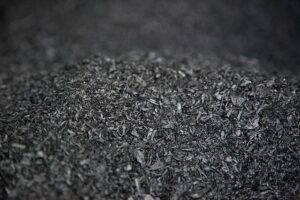
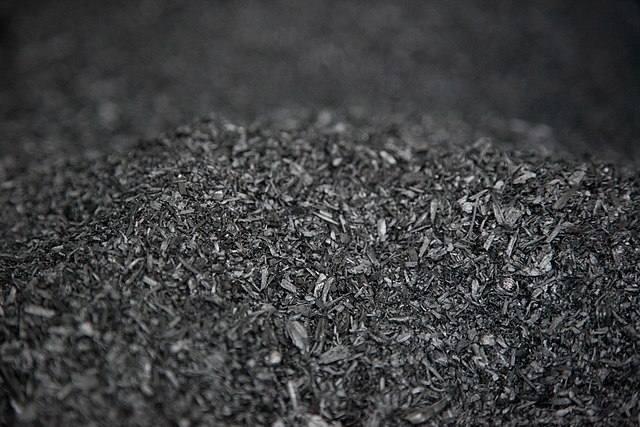
The molecular architecture of biochar is particularly intriguing. Its porous structure not only enhances soil aeration but also provides a habitat for vital soil microorganisms. This dual role—both as a carbon sink and a microbial haven—indicates the potential biochar has to elevate soil health while addressing the pressing need for carbon removal from the atmosphere. The stability of carbon in biochar is often measured against other carbon capture methods, revealing its advantages in longevity and efficiency.
A Multifaceted Approach: Benefits Beyond Carbon Sequestration
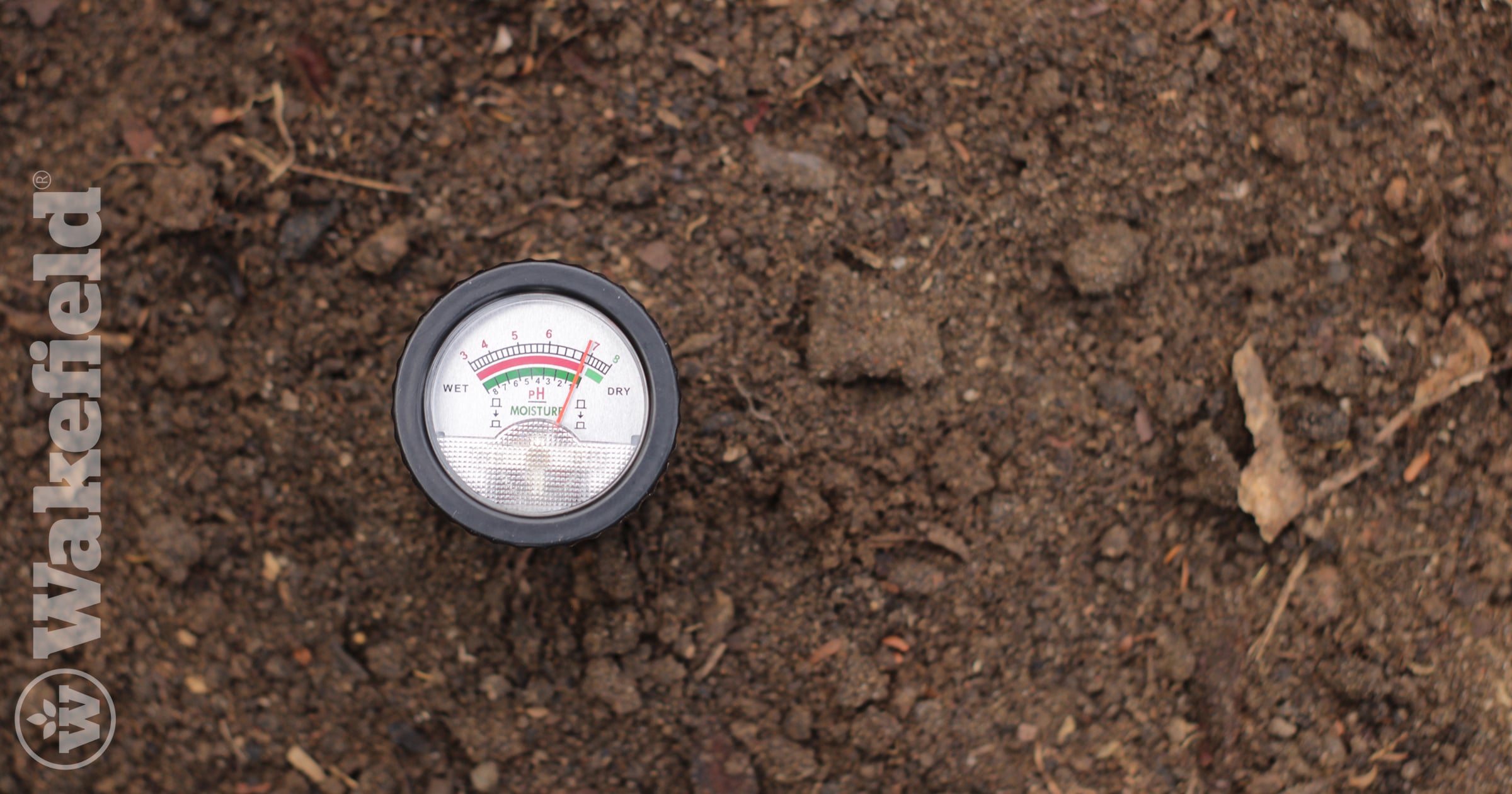
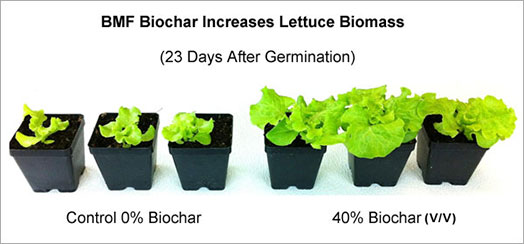
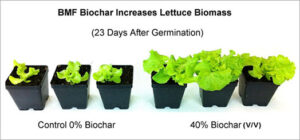
While biochar’s carbon sequestration capabilities are paramount, its applications extend far beyond that singular function. Agricultural practices incorporating biochar have shown robust improvement in soil fertility. The compound contributes to nutrient retention, improving the availability of essential minerals such as nitrogen, phosphorus, and potassium to plants. This nutrient-holding capacity can transform degraded soils, fostering higher yields without necessitating extensive chemical fertilizers, which pose significant environmental risks.
Moreover, biochar acts as a sponge for water in the soil ecosystem. Its high surface area and porosity enable enhanced moisture retention, providing crops with much-needed hydration during dry spells. This is particularly crucial as climate change exacerbates water scarcity in many regions. A resilient agricultural system that utilizes biochar can endure fluctuating weather patterns, offering an alternative to conventional farming methodologies that often exacerbate soil degradation.
Furthermore, biochar aids in mitigating nutrient leaching into water bodies—a primary contributor to aquatic eutrophication. By enhancing soil structure and providing a matrix for nutrient binding, biochar can significantly reduce runoff, thereby protecting local waterways. This symbiotic relationship presents a compelling case for its use not just in farming but also in landscape rehabilitation and community garden practices.
The Synergy of Biochar and Renewable Energy
The intersection of biochar and renewable energy creates a synergetic effect. The pyrolysis process, which produces biochar, simultaneously generates syngas and bio-oil—renewable energy sources that can be harnessed. This holistic approach not only augments energy security but also reduces dependency on fossil fuels. By integrating biochar production with energy generation, communities can establish a cyclical system that promotes sustainability and reduces carbon footprints.
This duality elevates biochar from a carbon removal solution to a cornerstone of sustainable development. By supporting energy needs, biochar complements the transition towards greener societies while fostering ecological resilience. The potential for biochar to serve as a sustainable energy carrier opens new avenues for innovative practices in energy generation, waste management, and ecological preservation.
Challenges and Considerations: Toward Widespread Adoption
Additionally, public perception and regulatory frameworks can pose significant barriers. Education about biochar’s multifaceted benefits is essential for shifting mindset and encouraging adoption among farmers and industry stakeholders. Policymakers must also create favorable regulatory environments to promote biochar as a recognized carbon removal strategy, integrating it into broader climate action plans.
Looking Forward: Biochar’s Place in Climate Solutions
In conclusion, the fascination with biochar is well-founded. As scientific inquiry continues to unravel its potential, and as imperative climate strategies evolve, biochar remains at the forefront—a testament to the innovative spirit in the face of an existential crisis. Harnessing this remarkable material will require collaboration, research, and a shared commitment to sustainability. The future, enriched by the properties of biochar, may very well be a greener, more sustainable one.