Biochar production has emerged as a potent strategy for carbon sequestration and soil enhancement, intertwining sustainability with agricultural productivity. The process of pyrolysis, a thermal decomposition of organic material at elevated temperatures in an oxygen-deprived environment, serves as the bedrock for biochar creation. This article delves into the intricacies of biochar production and pyrolysis, elucidating their significance, methodologies, applications, and environmental implications.
The Essence of Biochar
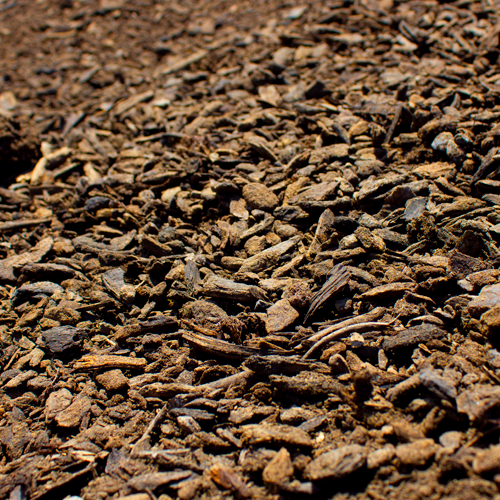
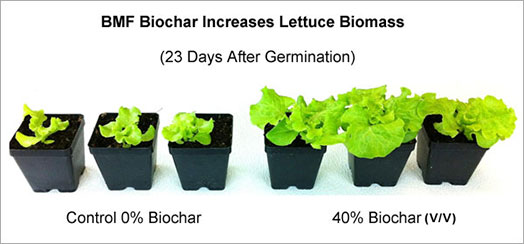
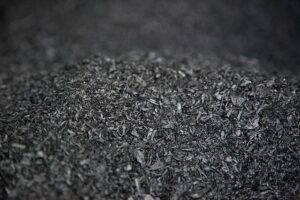
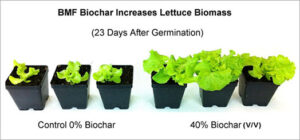
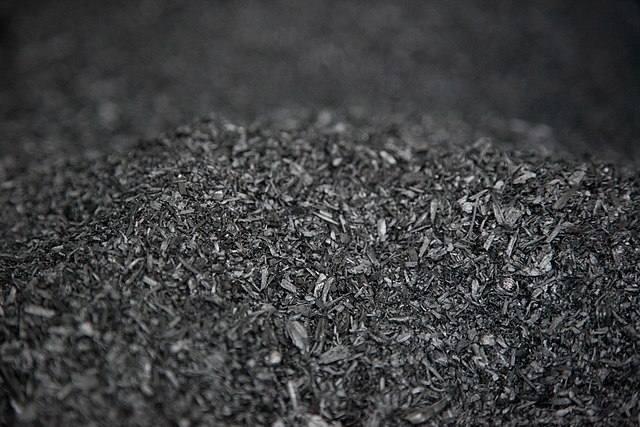
Biochar, a stable form of carbon derived from organic matter, embodies a myriad of beneficial properties. It is produced primarily from biomass feedstocks, including agricultural residues, forestry by-products, and organic waste. When utilized in soil, biochar acts as a carbon sink, capturing atmospheric carbon dioxide and facilitating its long-term storage. Furthermore, its porous structure enhances soil aeration, water retention, and nutrient availability, fostering improved agricultural yields.
Understanding Pyrolysis
Pyrolysis is the heart of biochar production. This thermal treatment involves heating organic material to temperatures ranging from 300 to 700 degrees Celsius, while prohibiting oxygen exposure. The absence of oxygen prevents combustion, allowing for the breakdown of complex organic molecules into simpler hydrocarbons. The result of this process is threefold: biochar, bio-oil, and syngas, each possessing unique applications and benefits.
The pyrolysis process can be categorized into several types based on operational parameters:
- Slow Pyrolysis: This method entails a slow heating rate, usually under a few degrees Celsius per minute, allowing for maximum biochar yield. It generally occurs at lower temperatures (400-600 °C) and is ideal for producing biochar.
- Fast Pyrolysis: Fast pyrolysis occurs at higher heating rates and temperatures (typically 450-600 °C) to maximize bio-oil production. The rapid breakdown of biomass results in a liquid product that can be utilized as renewable fuel.
- Flash Pyrolysis: This variant involves extremely rapid heating, yielding bio-oil as the primary product, but it produces very little biochar. The process is highly efficient but less advantageous for soil amendments.
Feedstocks for Biochar Production
The choice of feedstock is crucial as it influences the characteristics of the resulting biochar. Commonly used materials include:
- Agricultural Residues: Crop wastes such as corn stover, rice husks, and straw provide an excellent feedstock due to their abundance and renewable nature.
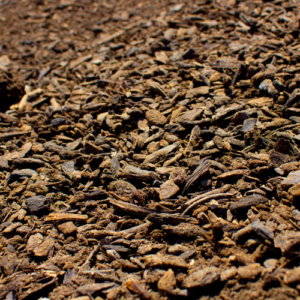
- Forestry By-products: Wood chips, bark, and sawdust are high in carbon content, making them ideal for biochar production.
- Organic Waste: Food scraps and yard waste serve as low-cost feedstocks, representing an opportunity for waste reduction and resource recovery.
The Biochar Production Process
The production of biochar involves several stages, each of which is vital for ensuring quality and efficacy. The process can be broken down into the following steps:
- Feedstock Preparation: The initial phase requires the selection and preparation of the biomass. This often includes drying to reduce moisture content, shredding to increase surface area, and processing to achieve uniformity.
- Pyrolysis: The prepared feedstock is subjected to controlled heating in a pyrolysis reactor. Temperature, heating rate, and residence time are carefully monitored to optimize biochar yield.
- Cooling: Following pyrolysis, the biochar is cooled to halt any further reaction. This step is critical to preserving the structure and properties of the biochar.
- Post-Processing: Depending on the intended use, biochar may undergo additional processing to enhance its characteristics, such as grinding or the addition of inoculants to promote microbial activity.
Applications of Biochar
Biochar’s applications span a diverse range of fields, notably in agriculture and environmental management:
- Soil Amendment: Enhancing soil fertility, water retention, and microbial health, biochar is increasingly employed as an amendment in agricultural practices.
- Carbon Sequestration: By sequestering carbon in soil, biochar plays a pivotal role in climate change mitigation strategies.
- Waste Management: Converting agricultural and organic waste into biochar presents a sustainable method for waste reduction and resource recovery.
- Water Quality Improvement: Biochar can adsorb contaminants from water, thus aiding in the remediation of polluted water bodies.
Environmental Implications
The environmental ramifications of biochar production hinge on its life cycle and the methods utilized. While pyrolysis can lead to reduced greenhouse gas emissions compared to traditional combustion, improper management and feedstock selection can inadvertently contribute to pollution. Thus, responsible practices must be adopted to ensure that the net benefits of biochar outweigh its potential downsides.
Conclusion
Biochar production is an innovative approach that melds sustainability with agricultural advancement. Through the art and science of pyrolysis, biomass transforms into a resource that not only enhances soil health but also plays a critical role in the fight against climate change. As research continues to unveil the complexities of biochar, it is imperative for communities and industries to embrace its potential, paving the way for a greener, more sustainable future.