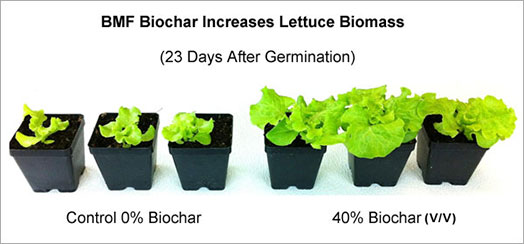
As concerns about climate change intensify and sustainable agricultural practices become increasingly paramount, interest in biochar production technologies is burgeoning. Biochar, a carbon-rich product derived from the pyrolysis of biomass, offers a dual benefit: it sequesters carbon and enhances soil fertility. This transformational substance is garnering attention for its potential to rejuvenate degraded soils and mitigate greenhouse gas emissions. But what does the future hold for biochar production technologies?
Understanding Biochar: The Basics
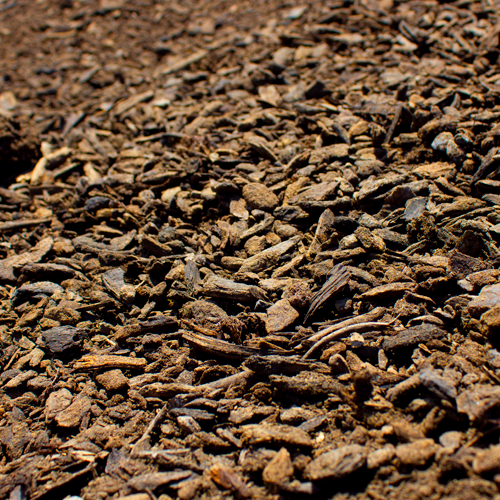
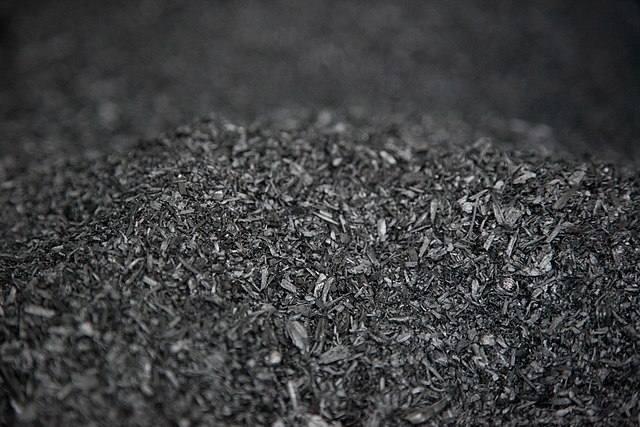
Biochar is created through the thermal decomposition of organic materials—such as agricultural waste, forestry residues, or animal manures—under oxygen-limited conditions. This process, known as pyrolysis, converts biomass into a stable form of carbon. The resulting product can be likened to charcoal but possesses distinct properties that make it profoundly beneficial for soil health. Biochar demonstrates a high surface area, strong adsorption capacity, and a porous structure, which together improve soil aeration, water retention, and nutrient availability. Yet, as the demand for biochar grows, so too must the ingenuity behind its production.
Current Production Technologies
There are various methods employed in the production of biochar, each with unique advantages and drawbacks. Traditional technologies include:
- Conventional Pyrolysis: This most common form of biochar production operates at high temperatures (typically 400-600°C) in the absence of oxygen. Consequently, it results in a high carbon content and stability of biochar. However, this method demands significant energy input, necessitating a source that is profitable and sustainable.
- Gasification: This process partially oxidizes biomass to produce syngas, which can be burned for energy or further processed into higher-value products. The residual solid is biochar, but the efficiency of this method heavily relies on the type of feedstock and operational conditions.
- Hydrothermal Carbonization (HTC): This approach utilizes wet biomass and operates at lower temperatures and pressures. Though it yields biochar faster than pyrolysis, the end product may have different properties, which may affect its application in soil amendment.
While these methods serve the purpose of biochar production, they often require optimization to enhance efficiency and sustainability.
The Path Forward: Emerging Technologies
The landscape of biochar production is evolving, with innovators and researchers developing avant-garde techniques that promise to mitigate the shortcomings of existing methods.
- Augmented Pyrolysis: This adaptation employs additional methods, such as torrefaction—using moderate heat and limited oxygen to pre-treat biomass—thereby reducing the energy requirement during pyrolysis. This pre-treatment enhances the yield of biochar and preserves the calorific value of the residual gases, which can subsequently be exploited as energy sources.
- Fast Pyrolysis and Bio-oil Production: Fast pyrolysis, characterized by rapid heating rates and short residence times, generates a fluid product known as bio-oil along with biochar. This method not only facilitates energy extraction from biomass but simultaneously preserves valuable biochar for agricultural applications.
- Microbial Fuel Cells (MFCs): Some groundbreaking research is harnessing the power of microorganisms within biochar to produce electricity through metabolic processes. This innovative approach presents an opportunity to synergize biochar production with energy recovery, creating economically viable processing methods.
Scaling Up: From Lab to Field
One of the significant challenges facing biochar production technologies is scaling up these innovative systems for commercial use. Many promising techniques have yet to transition from laboratory settings to full-scale production. Factors such as regulatory barriers, economic viability, and infrastructure development must be jointly addressed.
Moreover, the specific properties of biochar can vary dramatically based on the feedstock and production method utilized, creating inconsistencies that complicate its marketability. To overcome these hurdles, standardized protocols for biochar production and analysis are essential. Clear guidelines will not only streamline processes but also assure quality for end-users.
Global Trends and Market Potential
Biochar’s potential market is burgeoning, particularly as emerging economies seek sustainable agriculture solutions. With mechanization on the rise, innovations in biochar production could align with developments in precision agriculture and regenerative farming practices. The recognition of biochar as a means of carbon sequestration can generate interest from both public and private stakeholders invested in environmental sustainability.
Furthermore, the European Union and other organizations are beginning to establish frameworks for carbon credits associated with biochar, incentivizing production efforts by providing monetary value for carbon trading. This financial alignment could motivate agricultural producers to integrate biochar into conventional farming practices, leading to wider adoption across various sectors.
The Road Ahead
The future of biochar production technologies looks promising, brimming with possibilities. By marrying innovation with sustainability, researchers and industry leaders are poised to revolutionize how biochar is perceived and utilized within the agricultural sector. As we stand at this intersection of technology and ecology, the commitment to harnessing the benefits of biochar must be reinforced by multi-disciplinary collaboration and enduring investment in advanced production technologies. The next generation of biochar solutions could very well hold the key to significantly enhancing global food security while combating climate change.
In conclusion, biochar is no longer merely a byproduct; it is an invaluable resource that could shape the future of agriculture and environmental stewardship. As we look ahead, a concerted focus on refining production technologies, expanding research, and fostering strong partnerships will be essential in unlocking its full potential.