In recent years, biochar has garnered increasing attention as a multifaceted solution to a plethora of environmental challenges. Defined as a carbon-rich material derived from the pyrolysis of biomass—an oxygen-limited thermal decomposition process—biochar is making waves across agronomy, waste management, and climate change mitigation. This article delves into the properties and potential of biochar, traversing its physical characteristics, chemical composition, applications, and future prospects.
1. Understanding Biochar: The Basics
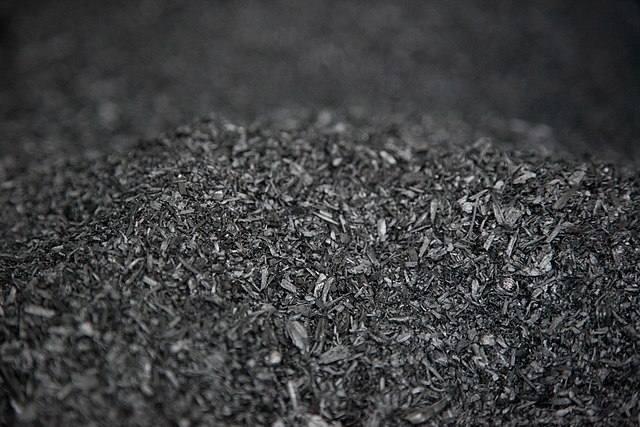
Biochar is produced through the pyrolysis of organic material, such as agricultural residues, forestry waste, and other biomass feedstocks. This thermochemical process converts biomass into a stable form of carbon, which can persist in the soil for centuries. The principles of biochar production not only aim to sequester carbon but also improve soil health and reduce greenhouse gas emissions. Its porous structure, high surface area, and hydrophobic nature set the stage for its diverse utility in agricultural practices and beyond.
2. Physical Properties of Biochar
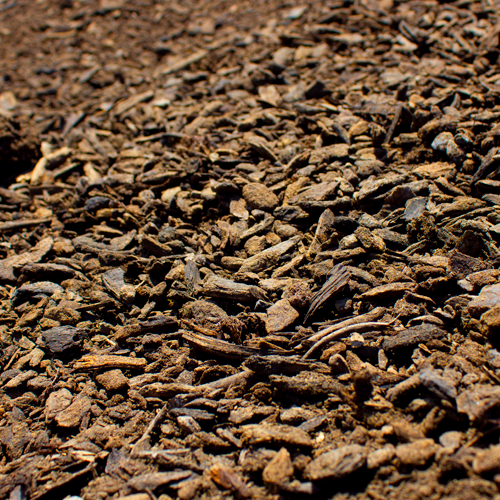
The physical properties of biochar are critical to its efficacy in various applications. Characteristically, biochar has a highly porous structure that contributes to its high surface area, typically between 50 to 700 m²/g. This porosity enhances its ability to retain water and nutrients, making it an attractive amendment for soil management.
Biochar’s particle size varies significantly, dependent on the feedstock and production conditions. Smaller particles facilitate greater surface interaction with soil components, while larger pieces tend to enhance soil structure. Its bulk density is generally lower than that of conventional soil amendments, allowing for easier mixing into the soil matrix without compaction.
3. Chemical Composition and Characteristics
Examining the chemical composition of biochar reveals a wealth of beneficial properties. Primarily composed of stable carbon (up to 90% by weight), biochar’s carbon content plays a fundamental role in its ability to sequester carbon dioxide from the atmosphere. Additionally, biochar harbors a variety of nutrients—including nitrogen, phosphorus, and potassium—essential for plant growth.
Moreover, biochar contains an array of functional groups, such as carboxylic acids and phenolic compounds, which significantly influence its reactivity within the soil ecosystem. The pH of biochar can vary, typically ranging from 6 to 10, depending on the feedstock and pyrolysis conditions. This alkaline nature can ameliorate acidic soils, enhancing the availability of nutrients for crops.
4. Enhancing Soil Health with Biochar
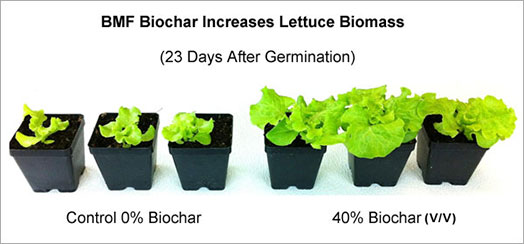
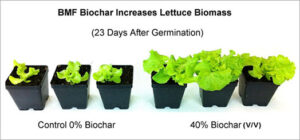
One of the most compelling applications of biochar is its use as a soil amendment. Studies indicate that incorporating biochar into soils can lead to significant improvements in fertility and microbial activity. This is due to its ability to retain moisture and nutrients, creating a more hospitable environment for beneficial soil microorganisms.
Furthermore, biochar can mitigate soil compaction, improve aeration, and enhance soil structure. It effectively acts as a habitat for microbes, promoting a diverse soil ecosystem that is vital for nutrient cycling and plant health. Such advancements have the potential to boost crop yields sustainably, presenting a solution to the challenge of feeding a growing global population.
5. Biochar’s Role in Mitigating Climate Change
Biochar represents a significant tool in climate change mitigation strategies. By sequestering carbon in a stable form, it can help offset emissions and contribute to carbon-neutral practices. With the capacity to sequester an estimated 3.6 billion tons of carbon dioxide annually, biochar’s potential impact is monumental.
Additionally, biochar can play a functional role in reducing greenhouse gas emissions from agriculture. It has been demonstrated to lower methane and nitrous oxide emissions—two potent greenhouse gases emitted from soil during microbial nitrification and denitrification processes. The resultant decrease in these gases contributes to a lower carbon footprint for agricultural practices.
6. Waste Management and Biochar Production
Biochar can be produced from various waste materials, transforming agricultural and forestry residues into valuable resources rather than letting them decompose and emit greenhouse gases. This waste-to-resource approach promotes sustainability and encourages circular economy principles. Furthermore, the pyrolysis process can recover energy as bio-oil and syngas, providing renewable energy sources to complement biochar production.
7. Challenges and Future Perspectives
Despite its numerous benefits, the widespread adoption of biochar faces certain challenges. Variability in feedstock, production methods, and local conditions can lead to inconsistent results, requiring not only tailored application strategies but also more extensive research into specific effects under diverse conditions.
The need for well-defined regulatory frameworks and standards for biochar production and usage is paramount to ensure environmental and agricultural safety. Furthermore, educational outreach is crucial for promoting knowledge of biochar’s benefits among farmers and stakeholders, fostering its integration into sustainable agricultural practices.
Conclusion
Biochar stands as a promising beacon in the quest for sustainable agricultural practices and climate change mitigation. Its multifaceted properties—physical, chemical, and ecological—offer a panoply of opportunities for enhancing soil health, managing waste, and sequestering carbon. As research continues to unveil its vast potential, biochar could play an instrumental role in building resilient ecosystems and supporting food security well into the future.