In the realm of sustainable agriculture and environmental conservation, a fascinating substance has emerged: biochar. But what if I told you that a simple charcoal-like material could revolutionize our approach to soil health and climate change? This seemingly unassuming product, rooted in ancient practices, has now entered the limelight as a potent tool for enhancing soil fertility while also addressing some of the pressing challenges of our time. Let’s delve into the intricacies of biochar, exploring its myriad benefits, its role in sustainability, and the exciting potential it holds for the future.
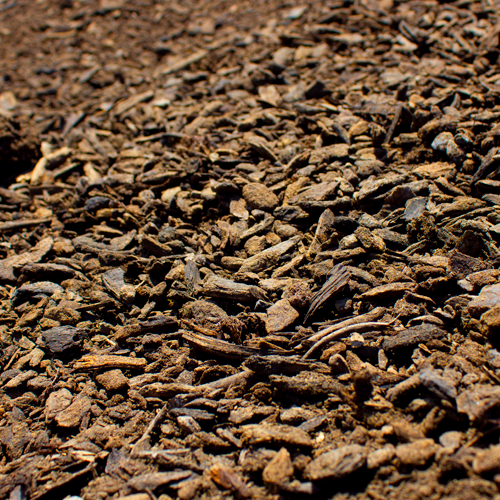
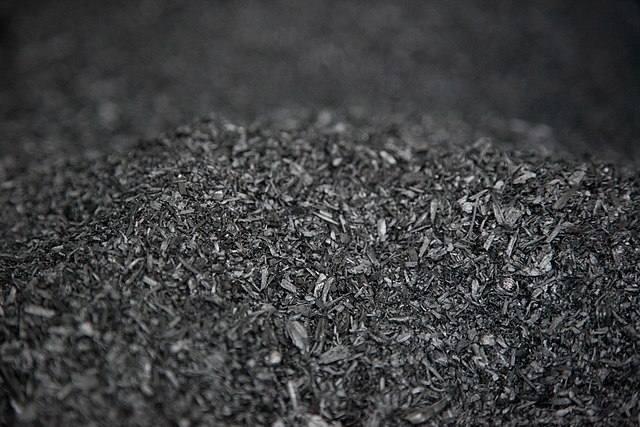
Biochar is created through the pyrolysis of organic matter—essentially heating biomass in a low-oxygen environment. This process carbonizes the material, transforming it into a stable form of carbon that can be integrated into the soil. Unlike traditional burning, which releases carbon dioxide and pollutants into the atmosphere, pyrolysis locks carbon away. But this begs an intriguing question: can we harness this ancient technique to forge a path toward ecological rejuvenation in our modern, high-stakes world?
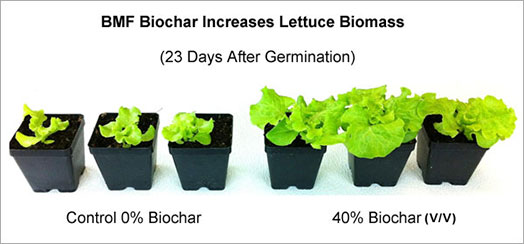
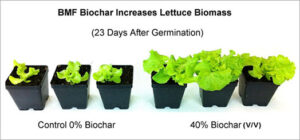
To understand biochar’s role, we must first examine its components. Rich in carbon and with a porous structure, biochar enhances soil by improving its physical and chemical properties. Its globally recognized benefits can be categorized into three primary areas: nutrient retention, water retention, and improvement of soil structure. This triad of advantages beckons farmers and environmentalists alike, suggesting a promising ROI in productivity and sustainability.
Firstly, nutrient retention is where biochar shines brilliantly. The porous nature of biochar provides an expansive surface area for microorganisms and nutrients to thrive. It acts like a sponge, soaking up essential nutrients such as nitrogen, phosphorus, and potassium. In doing so, biochar minimizes nutrient leaching during heavy rains, thus preventing these vital elements from escaping into waterways and contributing to pollution. Imagine a supercharged fertilizer that not only nourishes plants but also prevents environmental degradation—sounds compelling, doesn’t it?
Secondly, let’s tackle water retention. For farmers in drought-prone regions, biochar offers a beacon of hope. Studies have shown that incorporating biochar into soil can significantly enhance its ability to retain moisture. This attribute means reduced irrigation needs and healthier plants that are more resilient to climatic fluctuations. In times when water scarcity looms on the horizon, creating an environment that fosters water availability could be the lifeline many crops need. But are we ready to embrace innovative solutions like biochar amid growing water crises?
The structural improvements biochar imparts to soil are equally noteworthy. By aerating compacted soil, it creates a healthier habitat for root systems, allowing plants to better establish themselves and absorb nutrients. Furthermore, biochar aids in promoting biodiversity by providing a home for beneficial microbes, fungi, and other soil organisms. This resurgence of life contributes to a self-sustaining ecosystem within the soil, leading to enhanced resilience against pests and diseases. What could this mean for conventional farming practices still stuck in outdated paradigms?
Additionally, we must consider the broader implications of utilizing biochar in the fight against climate change. By sequestering carbon long-term, biochar effectively mitigates greenhouse gas emissions. When organic waste is converted to biochar instead of being left to decompose, the carbon it contains is preserved in a stable form, contributing significantly to carbon reduction goals. It’s a double-edged sword; one swing benefits soil health, while the other combats climate change. The challenge lies in scaling biochar production and ensuring it is accessible to farmers worldwide. Are we prepared to invest the necessary resources to transition from basic biomass waste management to a more strategic incorporation of biochar in agricultural systems?
Despite its myriad advantages, the use of biochar isn’t without challenges. Quality control in biochar production can vary dramatically, as the feedstock and pyrolysis conditions affect its properties. Not all biochar is created equal; some may lack the desired nutrients or have inappropriate pH levels. Hence, undertaking thorough research and employing best practices in biochar production is essential to harness its benefits effectively. With this in mind, it raises yet another question: can we establish universal standards that ensure the efficacy of biochar used in diverse environmental contexts?
Furthermore, the economic aspect cannot be overlooked. While the initial investment in biochar application may seem steep for smallholder farmers, the long-term benefits of enhanced crop yields and reduced fertilizer costs can ultimately lead to improved profitability. Governments and organizations must explore ways to subsidize biochar production and application, especially in resource-limited regions. Laying this groundwork is vital, as ensuring access and affordability might be the key to widespread acceptance and successful implementation.
As we journey forth into an era of increasing ecological responsibility, biochar emerges as more than just a soil amendment; it represents a holistic approach to agriculture that intertwines productivity with sustainability. Embracing this methodology could revolutionize how we cultivate crops, manage waste, and interact with our environment. Could biochar be the missing link in our quest for ecological balance, transforming the way we conceive soil and its vast potential? The answer may lie in harmonizing our farming practices and mainstreaming biochar as an essential component of sustainable agriculture.
In conclusion, the role of biochar in soil and sustainability is multifaceted and holds promising opportunities for both farmers and the environment. As we explore innovative, nature-based solutions to some of our most pressing challenges, biochar stands at the forefront, waiting for us to unlock its full potential. The responsibility now lies with us—to embrace this ancient knowledge and adapt it to meet the needs of the modern world. Will we step forward and face these challenges together, paving the way for a greener future, or will we remain anchored in old habits? The choice is ours to make, and the time to act is now.