As climate change looms large over our global community, innovative solutions are essential. One such solution, biochar, has recently garnered attention for its potential role in carbon sequestration. But what exactly does biochar entail, and how does it contribute to environmental sustainability? Let’s break down the complexities surrounding biochar stability and carbon sequestration while empathizing with the idea that understanding these concepts can be quite a challenge. Are you ready to delve into the world of biochar and unravel its mysteries?
What Is Biochar?
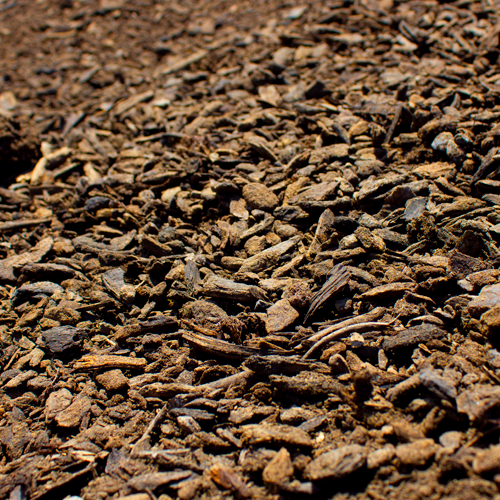
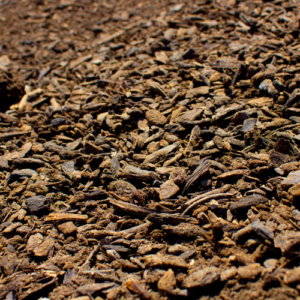
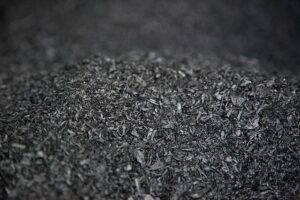
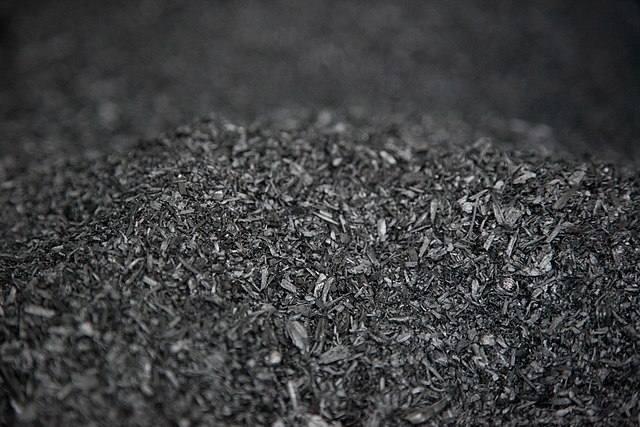
Biochar is a carbon-rich material produced through pyrolysis, a process that decomposes organic material at elevated temperatures in the absence of oxygen. This intricate process transforms biomass into a stable form of carbon, making it a powerful tool in combating greenhouse gas emissions. Essentially, biochar acts as a sponge, absorbing carbon dioxide (CO₂) and preventing it from contributing to atmospheric warming.
The Science Behind Carbon Sequestration
Carbon sequestration is the method of capturing and storing atmospheric CO₂, thus mitigating its presence in the environment. Think of it as nature’s way of handling excess carbon—instead of letting it float away into the atmosphere, we are encouraging its storage in a solid form. By employing strategies such as biochar, researchers and environmentalists aim to harness and utilize carbon emissions effectively, turning a seeming challenge into an opportunity.
Understanding Stability in Biochar
The stability of biochar is paramount to its effectiveness as a carbon sequestration tool. Stability refers to the resistance of biochar to degradation and its longevity in soil. Typically, biochar can persist in the environment for hundreds to thousands of years, which makes it particularly effective at sequestering carbon for extended periods. The aromatic structure of the carbon in biochar proves resistant to microbial degradation, differentiating it from other organic materials.
But how do we measure the stability of biochar? Factors such as feedstock type, pyrolysis temperature, and duration of treatment play significant roles. For instance, herbaceous feedstocks generally produce biochar with shorter stability compared to woody feedstocks. Understanding these parameters can pose a playful question: are we slashing emissions efficiently if we choose the wrong materials to create biochar?
Benefits of Biochar Beyond Carbon Storage
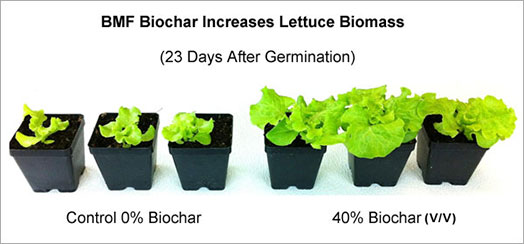
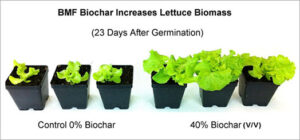
While carbon sequestration is a significant benefit, there’s more to biochar than meets the eye. This remarkable substance can enhance soil health, improve crop yield, and bolster water retention. Think of biochar as an elixir for tired soils—much like a rejuvenating facial for our weary skin, biochar revitalizes the earth by enriching it with nutrients. Its porous nature allows for improved aeration and drainage, contributing to a thriving ecosystem below the surface.
The interaction between biochar and soil microorganisms is also compelling. Biochar creates a habitat for beneficial microbes, which in turn can enhance plant growth and resilience. However, there’s an underlying challenge to consider: can excess biochar application disrupt established soil communities or create imbalances? This question remains an area of ongoing research and discussion among scientists.
Real-World Applications of Biochar
Globally, numerous projects are underway to utilize biochar as a strategic environmental intervention. In agronomy, farmers are incorporating biochar into their practices to improve soil structure and nutrient retention. Some countries have even begun to implement biochar within their waste management strategies, effectively turning agricultural waste into a resource. This is not merely a trend; it’s a practical approach to sustainable resource management.
Urban settings are also recognizing biochar’s potential. As cities grapple with waste disposal challenges, biochar emerges as a viable option for processing organic waste. The innovative use of biochar in urban gardening and landscaping presents exciting prospects for creating green spaces and improving air quality. Imagine walking through a city rejuvenated by thriving urban horticulture, thanks, in part, to biochar-enhanced soils.
Challenges and Future Directions
As promising as biochar may be, it doesn’t come without its challenges. There is still much to understand about its ecological impacts, as well as the socio-economic feasibility of widespread implementation. Can farmers in developing regions afford to adapt their practices to include biochar? Are there viable pathways to ensure that biochar production is sustainable and ethically sourced? Addressing these questions is essential for the future trajectory of biochar use in carbon sequestration efforts.
Furthermore, ongoing research is needed to maximize the efficiency of biochar as a carbon sink while minimizing potential negative implications. Assessing the full lifecycle of biochar—from production through application—is critical in understanding its place in the fight against climate change.
Conclusion: The Role of Biochar in a Sustainable Future
In conclusion, biochar provides an intricate yet promising approach to battling climate change through carbon sequestration. Its stability, alongside its multifaceted benefits, positions it as a formidable player in sustainable agriculture and environmental management. Yet, as we explore its potential, we must also navigate the accompanying challenges thoughtfully. Shall we stand by the threshold of innovation, ready to embrace biochar as a key player in our global efforts to stabilize our climate? Only time will tell, but the journey has only just begun.