Biochar, a carbon-rich byproduct of biomass pyrolysis, has garnered significant attention in recent years for its potential as a tool for carbon sequestration and soil enhancement. This compelling substance not only presents an innovative approach to reduce atmospheric carbon dioxide but also improves soil health. Let’s traverse through the complex yet fascinating dynamics of biochar stability and its implications for long-term carbon storage.
At the core of biochar’s allure lies its stability. While organic matter decomposes rapidly under aerobic conditions, biochar exhibits remarkable recalcitrance, remaining intact in the environment for decades, if not centuries. The molecular structure of biochar, laden with aromatic compounds and cross-linked carbon structures, confers an unparalleled durability that traditional soil amendments lack. This intrinsic stability is paramount for maximizing biochar’s efficacy as a carbon sink, thus presenting a multifaceted solution to climate change.
Analyzing the production conditions of biochar elucidates its properties and potential. Different thermal regimes during pyrolysis yield diverse biochar characteristics. For instance, slow pyrolysis typically produces a higher yield of stable biochar, while fast pyrolysis may result in lighter, less stable variants. Variations in feedstock, ranging from agricultural residues to forestry by-products, further diversify performance outcomes. This intersection of chemistry and environmental science underscores the importance of selecting appropriate processing techniques and materials for desired objectives.
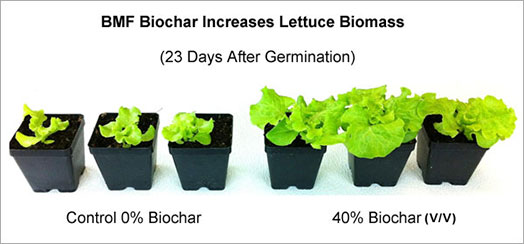
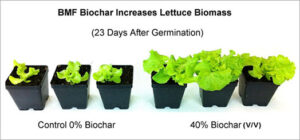
A notable characteristic of biochar is its ability to enhance soil properties. It serves as a habitat for soil microbes, promotes nutrient retention, and improves soil aeration. Studies indicate that biochar can bolster soil organic carbon (SOC) stocks, enabling terrestrial ecosystems to store carbon more effectively. This stabilization of SOC is indispensable not only for agricultural productivity but also for climate mitigation strategies. The interaction of biochar with soil minerals and organic matter fosters a synergistic relationship that amplifies carbon storage capabilities.
Understanding the longevity of biochar in soil is indispensable for evaluating its environmental benefits. Field studies have demonstrated that biochar can persist in soils for extended durations, often exceeding fifty years. Some research suggests that biochar might represent a safer and more sustainable alternative to other carbon sequestration methods, such as afforestation or soil carbon enhancement via organic amendments. The process of mineralization reveals that the slow conversion of biochar into stable organic matter further substantiates its green credentials as a carbon storage mechanism.
Yet, it is not without complexity. The stability of biochar in soil is contingent on several factors. Environmental conditions, such as moisture and temperature, influence decomposition rates. The composition of the soil microbiome can also dictate biochar’s fate. In highly active microbial environments, biochar may degrade more rapidly, thereby diminishing its carbon storage efficacy. Therefore, understanding these interactions becomes pivotal for optimizing biochar usage in diverse ecosystems.
The application of biochar is not confined to agricultural realms. Urban applications, such as in stormwater management and remediation of contaminated sites, showcase its versatility. Integrating biochar into urban landscaping can mitigate runoff while enhancing soil vitality, thus contributing to more sustainable city environments. The multifunctional capabilities of biochar exemplify its capacity to serve dual goals: environmental remediation and climate change mitigation.
The socio-economic implications of biochar underscore its dual-angle approach toward sustainability. By providing a viable alternative for waste management, biochar production can stimulate local economies. Converting agricultural residues and forestry by-products into biochar not only extends the life cycle of waste but also enriches soil, thereby promoting local agriculture. This potential for job creation, coupled with the promotion of sustainable practices, marks biochar as a central figure in transitioning towards a circular economy.
Research into biochar continues to evolve, with numerous studies investigating its long-term effects in diverse ecosystems. Harmonizing analytical, empirical, and simulation-based approaches paves the way for a comprehensive understanding of biochar behavior in varied contexts. It is increasingly crucial to investigate the scalability of biochar projects alongside their carbon offset potential, particularly regarding regulatory frameworks and market incentives.
For farmers and practitioners contemplating biochar application, an array of considerations must be accounted for. The choice of biochar type, optimal application methods, and long-term impact monitoring are essential for ensuring the benefits outweigh the challenges. Addressing these factors contributes to a more profound appreciation of biochar’s potential as a sustainable practice for enhancing ecological resilience.
Looking ahead, the incorporation of biochar into comprehensive climate strategies is essential. As carbon markets evolve, mechanisms to incentivize biochar use may solidify its role as an effective tool for carbon sequestration. Collaborative efforts between policymakers, scientists, and stakeholders are vital to fostering an inclusive framework that supports the adoption of biochar practices across various sectors.
In conclusion, biochar stands at the confluence of innovation and sustainability, encapsulating the potential to enhance soil health while serving as a long-term carbon storage solution. Its stability and multifarious applications endorse the gradual shift towards eco-friendly, economically beneficial practices. Through the lens of ongoing research and collaborative initiatives, the scientific community reveals the myriad possibilities inherent in biochar, inspiring a path forward that is not only viable but imperative in the fight against climate change.