In the grand tapestry of sustainable agriculture and environmental stewardship, biochar emerges as a radiant thread—one that not only improves soil health but also sequesters carbon, presenting a multifaceted solution to some of our most pressing environmental dilemmas. The systems and equipment that facilitate the production of this remarkable substance are numerous, reflecting the diversity of methods and scales at which biochar can be generated. In the following discourse, we shall traverse the landscape of biochar systems and equipment manufacturers, shining a spotlight on the premier players sculpting this eco-friendly future.
The Essence of Biochar: A Brief Overview
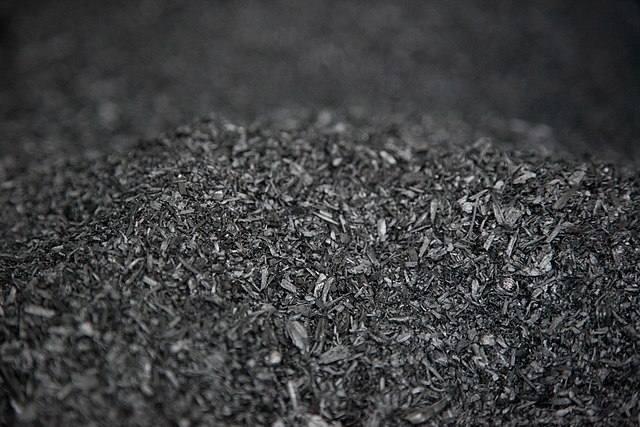
Before delving into the intricacies of biochar manufacturing systems, it is paramount to appreciate the essence of biochar itself. Picture a phoenix rising from the ashes—biochar is produced through pyrolysis, a thermochemical decomposition process where organic matter is heated in low-oxygen conditions. This transformative process converts biomass, such as agricultural residues and forestry by-products, into a stable carbon-rich material. The result is a product that not only enhances soil fertility but also improves water retention, reduces greenhouse gas emissions, and mitigates climate change. With this understanding, one can appreciate the profound impact of efficient biochar production systems.
Leading Manufacturers of Biochar Systems
The realm of biochar production is adorned by several trailblazing manufacturers, each offering unique solutions tailored to a spectrum of needs—from small-scale producers to large industrial operations. Below, let us unveil some of the most influential names in the industry.
1. Carbon Gold
Like a master alchemist, Carbon Gold converts organic waste into biochar through its innovative systems that harness the power of pyrolysis. Founded in the UK, this company specializes in producing biochar that is rich in nutrients and suitable for various agricultural applications. Their modular systems are designed for scalability, making them ideal for both urban and rural settings. Carbon Gold is not just a manufacturer; it is a beacon of hope for sustainable farming, offering training and resources to empower farmers worldwide.
2. Bioenergy Solutions
Based in America, Bioenergy Solutions embodies a harmonious blend of biotechnology and environmental responsibility. With their cutting-edge reactors, they convert various biomass into biochar while generating energy in the process. Their unique approach showcases the duality of biochar production; it is not merely a waste management solution but also a pathway to renewable energy. This symbiosis epitomizes the future of energy generation—where waste is transformed into wealth.
3. Pyrocal
In the world of biochar, Pyrocal stands out like a star on a clear night. With a commitment to innovation, their pyrolysis systems are engineered for efficiency and versatility. Based in Australia, Pyrocal’s technology is designed to process a wide array of organic materials, making their systems applicable in diverse environments. Their focus on continuous improvement and adaptation ensures that their equipment remains at the forefront of the industry, capable of meeting the evolving demands of biochar production.
4. Biochar Solutions
As a name synonymous with excellence, Biochar Solutions offers a comprehensive suite of biochar equipment, from small units suitable for backyard gardeners to industrial-grade systems for large-scale production. Their emphasis on quality control and sustainability ensures that every batch of biochar produced meets the highest standards. The company not only supplies equipment but also engages in extensive research and development, thus contributing to the scientific understanding of biochar’s applications and benefits.
5. T-Rex Biochar
With a name that resonates with strength and durability, T-Rex Biochar has carved out a niche in the market for high-capacity biochar production systems. Their technology is particularly noteworthy for its ability to operate continuously, maximizing production while minimizing environmental impact. T-Rex Biochar’s commitment to innovation places them at the apex of technological advancement in the pyrolysis field, showcasing how robust engineering can yield sustainable solutions.
6. Biogreen Energy
Biogreen Energy embodies the essence of versatility, offering a broad spectrum of biochar equipment that caters to multiple sectors, including agriculture, energy, and waste management. Their systems are designed with user-friendliness in mind, empowering operators to achieve high yields with minimal training. Additionally, Biogreen’s commitment to environmental stewardship is reflected in their energy-efficient designs that prioritize reducing carbon footprints.
Integrating Biochar into the Business Ecosystem
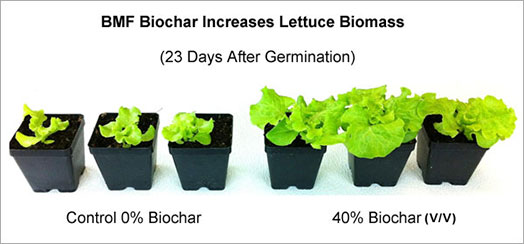
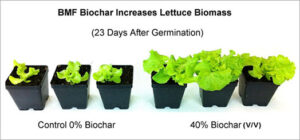
As biochar systems gain traction, numerous businesses and organizations are beginning to recognize the potential profitability of these technologies. The integration of biochar production into existing agricultural systems presents an opportunity for farmers to enhance their productivity while simultaneously addressing sustainability issues. For example, by utilizing biomass waste from their own operations, farmers can produce biochar that significantly improves soil health and crop yields—creating a closed-loop system that benefits both the earth and their bottom line.
The Future of Biochar Production
Envisioning the future, it becomes evident that biochar production will play an increasingly pivotal role in global efforts toward sustainability. As producers and consumers become more aware of the importance of carbon sequestration, the demand for biochar equipment will undoubtedly rise. Furthermore, ongoing advancements in technology will continue to refine and enhance the efficiency of biochar production systems, making them accessible to an even wider audience.
In an era where environmental consciousness is paramount, the names we’ve explored serve not only as manufacturers but also as catalysts for positive change. They stand at the intersection of innovation and sustainability, paving the way for a more resilient agricultural sector and a healthier planet.
Ultimately, biochar systems and equipment manufacturers are not merely participants in a market; they are the architects of a sustainable future, constructing enduring legacies rooted in environmental harmony. As we navigate the complexities of modern agriculture, their contributions illuminate the path forward, helping us usher in an era defined not by consumption, but by stewardship and regeneration.