Biochar: The Ancient Solution for Today’s Most Urgent Problems
Have you ever stopped to ponder how an ancient practice might hold the key to solving modern dilemmas? In a world grappling with soil degradation, climate change, and waste management crises, biochar emerges not just as a fascination from the past, but as a beacon of hope for the future. This intriguing substance—charcoal produced through pyrolysis of biomass—offers a multitude of environmental benefits, standing at the intersection of sustainability and innovation.
What is Biochar?
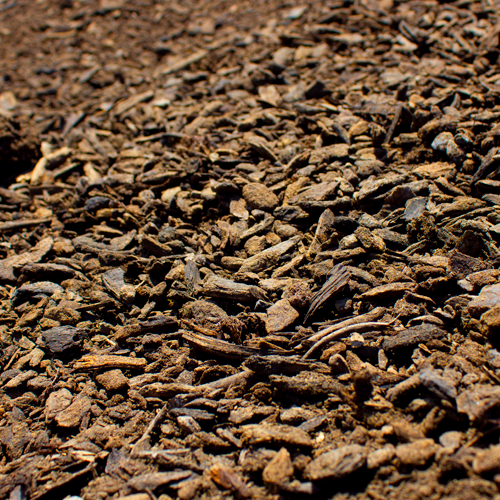
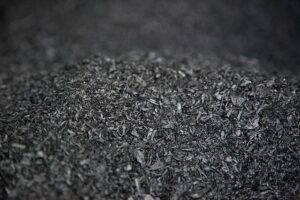
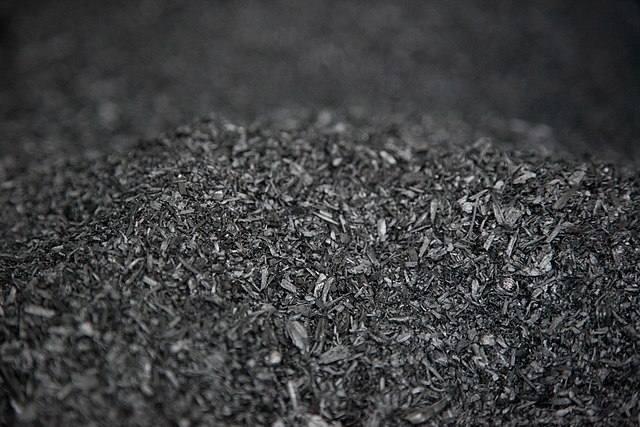
Biochar is a carbon-rich product derived from organic materials in a process known as pyrolization. During this process, biomass—such as agricultural residues, wood chips, and even animal manure—is subjected to high temperatures in the absence of oxygen, resulting in a stable, porous material that can significantly improve soil health. This ancient practice mirrors the techniques once utilized by indigenous communities in the Amazon, where the creation of “terra preta” or “black land” enriched the soil and transformed ecosystems.
The Agricultural Renaissance
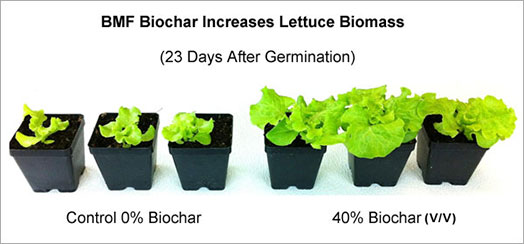
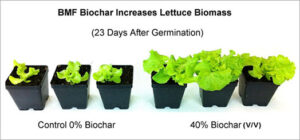
Why should modern farmers care about a product that dates back centuries? In an era marked by decreasing soil fertility and rising chemical use, biochar offers a sustainable alternative to traditional agricultural practices. Its unique properties allow it to enhance soil structure, improve water retention, and increase nutrient availability. Imagine a field where crops flourish amid prolonged droughts and the harsh realities of climate change. Biochar not only aids in improving soil quality but also enhances plant growth, leading to potentially higher yields and greater food security.
Sequestering Carbon: A Climate Hero
Could biochar be our unsung hero in the battle against greenhouse gases? Conventional methods to combat climate change often focus on reducing emissions, but biochar presents an innovative approach to carbon capture. When incorporated into soil, biochar effectively sequesters carbon for hundreds to thousands of years, significantly lowering the concentration of CO2 in the atmosphere. This means that not only does biochar help mitigate climate change, but it also offers an avenue for carbon farming—where farmers are rewarded for adopting climate-smart practices. The playful challenge lies in convincing stakeholders to embrace this long-term vision of agriculture that prioritizes climate resilience over short-term profits.
The Waste Management Solution
In an age where landfills burgeon and pollution reigns, biochar may very well provide a lifeline. Converting agricultural waste, forestry residues, and even organic municipal waste into biochar reduces the volume of waste, returning valuable nutrients to the soil instead of risking environmental contamination. This circular approach to waste management not only alleviates the burden on landfills but also innovatively transforms waste into a resource. What if every community could turn its organic waste into a useful product? The implementation of biochar technologies could lead to both local job creation and healthier ecosystems.
Biochar in Ecological Restoration
Can biochar also play an integral role in restoring our damaged ecosystems? The answer is a resounding yes! Its application in ecological restoration promotes biodiversity by improving soil conditions, aiding seed germination, and facilitating plant growth in degraded landscapes. Furthermore, biochar offers a habitat for soil microorganisms vital for nutrient cycling and overall soil health. With the increasing encroachment of urbanization and industrial practices on natural habitats, biochar stands as a potential ally in rejuvenating ecosystems and fostering resilience against environmental stressors.
Challenges and Considerations
Conclusion: A Renaissance Awaits
In conclusion, the journey toward integrating biochar into our modern systems is paved with challenges, yet it is one imbued with profound possibilities. As we reconcile our past with our aspirations for the future, biochar emerges as more than just a relic—it’s a clarion call for reviving ancient wisdom to confront today’s most pressing problems. The future of sustainable living may very well lie within the blackened grains of this miraculous product.