The escalating climate crisis has brought forth a pressing need for innovative solutions to sequester carbon dioxide (CO₂) from the atmosphere. One such method that has garnered significant attention in recent years is biochar, a charcoal-like substance produced through the pyrolysis of organic material in the absence of oxygen. This ancient practice is being reimagined as a potent tool for both carbon sequestration and soil enhancement, making it a double-edged sword in the fight against climate change. This article delves into the fascinating intricacies of biochar, exploring its myriad applications, environmental benefits, and the underlying reasons for its resurgence in contemporary climate discussions.
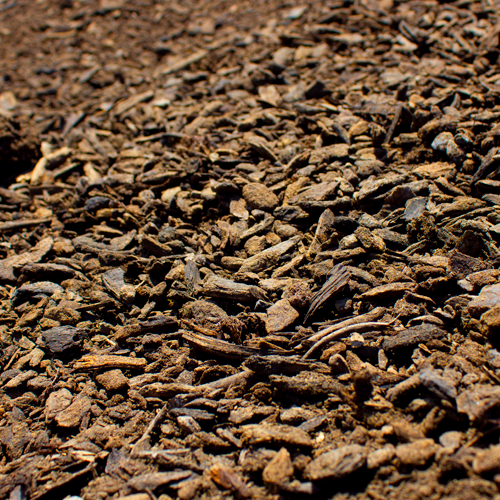
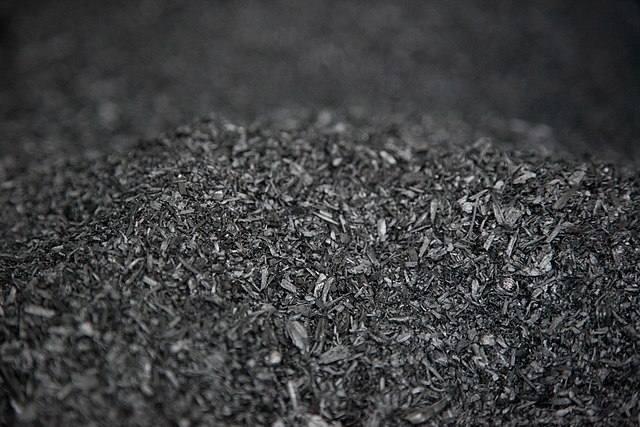
At its core, biochar is the result of converting biomass, such as agricultural residues, forestry waste, and organic matter, into a stable carbon form that can be retained in the soil for centuries. When we reflect on traditional farming practices, the notion of burning organic material for nutrient recycling may elicit nostalgia. Biochar embodies a modern twist on this ancient method, not only aiding in waste management but also transforming carbon into a valuable resource. It mirrors an elusive magic, turning what could be atmospheric CO₂ into fertile ground.
One of the most compelling aspects of biochar is its remarkable ability to sequester carbon. When biomass is pyrolyzed, a significant portion of the carbon is locked away, preventing its release back into the atmosphere as CO₂—a known greenhouse gas. Various studies have estimated that biochar can sequester between 1.1 to 2.6 gigatons of CO₂ per year, depending on its production and application methods. This potential impact beckons towards a climate solution that is not only feasible but also sustainable, as it highlights biochar’s role in achieving the United Nations’ climate goals.
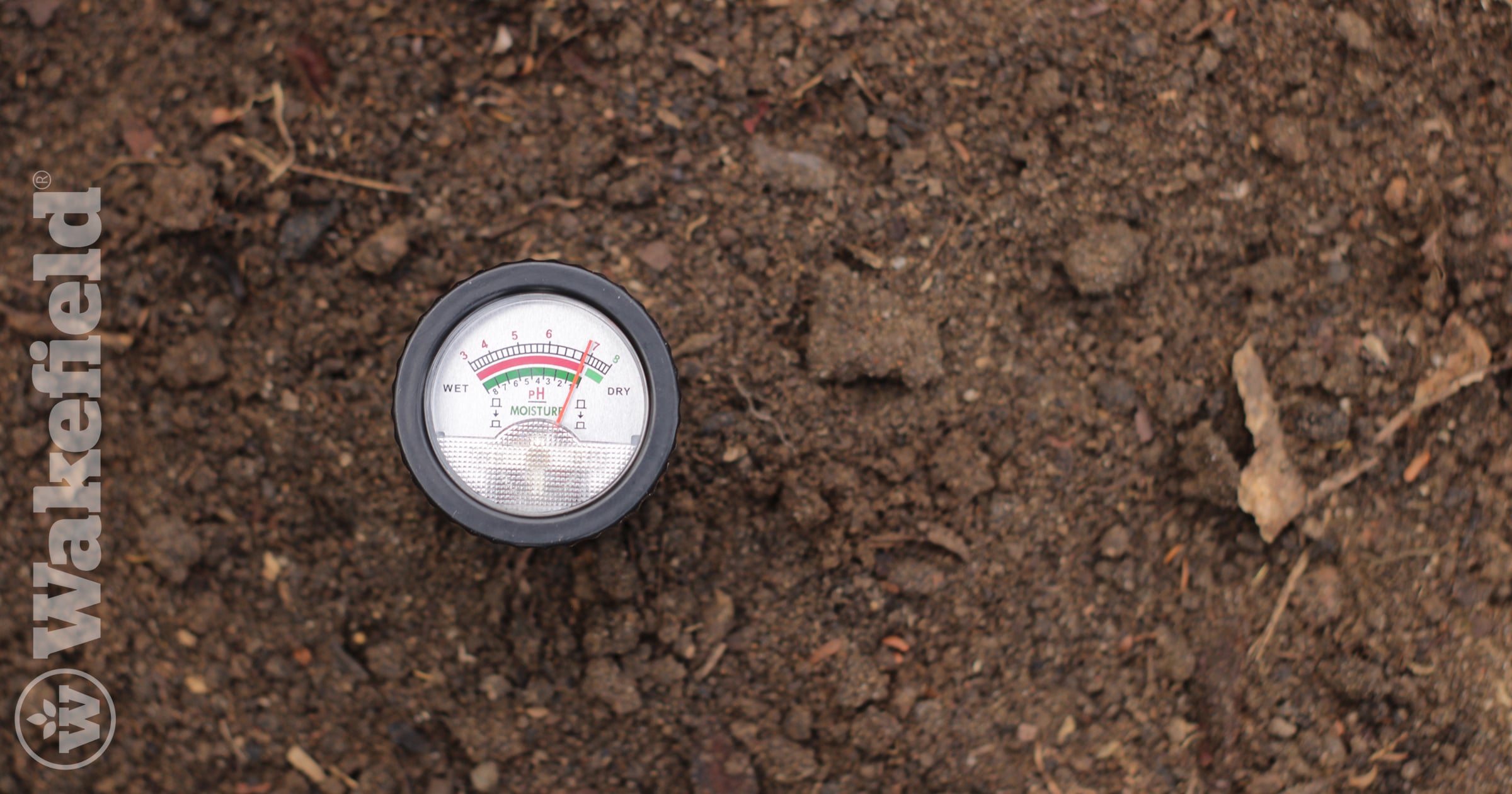
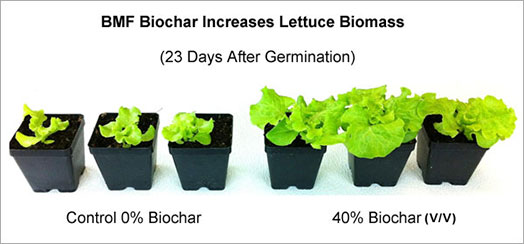
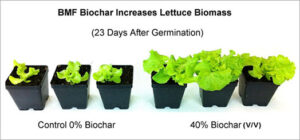
Yet, the allure of biochar extends beyond its carbon sequestration abilities. The application of biochar as a soil amendment provides a plethora of ecological benefits. A closer examination reveals that biochar enhances soil structure, increases water retention, and promotes nutrient availability. These attributes are particularly beneficial in regions plagued by soil degradation; its porous nature aids in developing a robust soil microbiome. By augmenting soil fertility, biochar can assist farmers in adopting regenerative agricultural practices, ultimately improving crop yields while fostering a less resource-intensive approach to farming.
Moreover, biochar can serve as an effective filter, mitigating pollutants in both agricultural runoff and wastewater. Its adsorption properties allow it to capture heavy metals and excess nutrients, thereby promoting a cleaner environment. The burgeoning field of biochar technology encapsulates its utility in bioremediation, addressing pollution hotspots while nurturing the soil. The intersection of environmental remediation and carbon storage creates an attractive proposition that deepens the fascination surrounding biochar.
The synergy between biochar and agriculture reveals a narrative that appeals to both ecological well-being and economic viability. For farmers, producing and utilizing biochar can lead to decreased dependency on chemical fertilizers, thus lowering input costs. Additionally, the sale and trade of biochar present new economic opportunities, especially in regions undergoing agricultural transitions. Such a transformation not only benefits individual farmers but can foster community-wide resilience against climate variability.
However, the biochar narrative is not without its complexities. Critically, the production of biochar from biomass requires careful consideration of resource use, land management, and energy input. Over-reliance on specific feedstocks may lead to competition with food production or deforestation, which would counteract the environmental gains. Additionally, the technology for biochar production is still evolving, with optimization needed to enhance its efficiency and feasibility on different scales—from smallholders to industrial systems.
As research proliferates, regulatory frameworks surrounding biochar use are also emerging. Policymakers face the challenge of establishing guidelines that ensure safe, effective, and sustainable practices while fostering innovation in the sector. Collaboration among researchers, farmers, and government entities is essential not only for facilitating knowledge transfer but also for fostering broader acceptance of biochar practices within local communities and beyond.
The fascination with biochar is fueled in part by its multifaceted nature. It is not merely a carbon storage solution; it is an integrated approach addressing climate change, soil health, and agricultural productivity. The juxtaposition between ancient wisdom and modern science creates a tapestry that aligns with the increasing global movement toward sustainability. Biochar’s potential to reconcile environmental, economic, and social dimensions reinforces the significance of harnessing nature’s ingenuity in the quest for a resilient future.
In summary, biochar represents a promising and multifarious approach to climate solutions. As we grapple with the existential threat posed by climate change, the appeal of biochar lies in its ability to address several challenges simultaneously: carbon sequestration, soil restoration, and pollution mitigation. With continued advancements in research, production methods, and policy support, biochar may indeed reshape our strategies in confronting climate change. The opportunity to engage with such an innovative tool encapsulates a profound realization—that by embracing the intricacies of nature and leveraging its gifts, we may find our footing in an uncertain future.