In the quest for a sustainable future, we continually search for innovative solutions to combat the pressing issues of climate change, soil degradation, and food security. One remarkable ally has emerged from the depths of ancient agricultural practices: biochar. To liken biochar to a phoenix rising from the ashes might seem hyperbolic, but its transformative potential is nothing short of miraculous. This unassuming material boasts a plethora of advantages that enhance soil health, sequester carbon, and rejuvenate ecosystems, making it a cornerstone in the tapestry of sustainable practices.
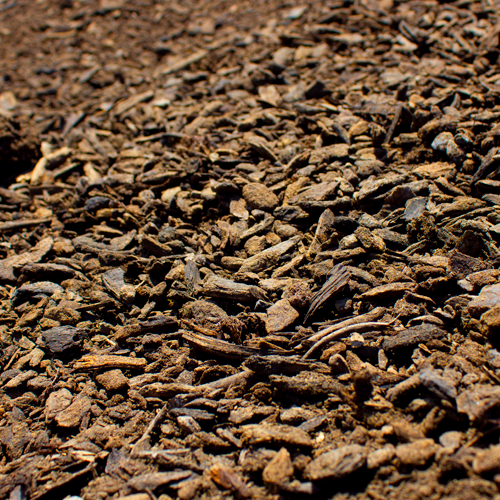
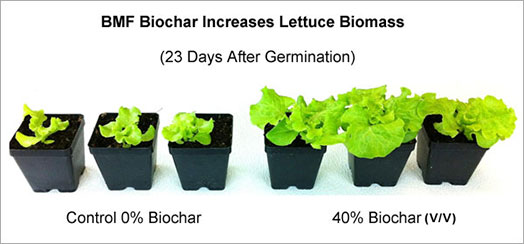
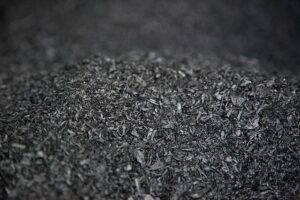
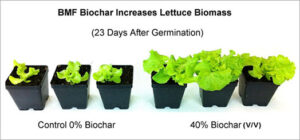
At its core, biochar is a carbon-rich byproduct produced through the pyrolysis of organic matter, such as agricultural waste, manure, or forestry residues. However, its essence transcends being mere refuse. Imagine biochar as a sponge, intricately designed to trap nutrients and water within its porous structure. This quality not only enhances soil fertility but also revolutionizes agricultural practices. By incorporating biochar into soil, farmers can create a sanctuary for microorganisms, fostering vibrant, healthy ecosystems beneath the surface. Consequently, this leads to enhanced crop yields and resilience against drought and adverse weather conditions.
The environmental implications of biochar extend beyond agricultural productivity; it serves as a stalwart defender against climate change. When organic material decomposes naturally, it releases carbon dioxide (CO2) back into the atmosphere—a significant contributor to global warming. In contrast, when this material is converted into biochar through pyrolysis, the carbon is sequestered and rendered stable for centuries, if not millennia. Picture biochar as a time capsule for carbon, effectively locking away greenhouse gases and reversing some of the damage inflicted by industrialization. As nations strive to curb their carbon footprints, biochar stands as a beacon of hope, offering a pragmatic solution to reduce atmospheric CO2 levels.
The extraordinary capabilities of biochar do not stop at carbon sequestration; they extend into the realm of nutrient retention and soil structure improvement. Nitrogen, phosphorus, and potassium—essential nutrients for plants—can be absorbed and slowly released by biochar over time. This slow-release mechanism minimizes nutrient runoff, ensuring that what the earth provides is not wasted but rather nurtured. The introduction of biochar into arid or depleted soils creates an oasis of fertility, a veritable Eden for crop growth, thereby supporting food security in regions plagued by agricultural challenges.
In addition, biochar enhances the water retention capacity of soil, akin to a reservoir nestled within the earth. For farmers in drought-prone areas, this means more resilient crops amid parched landscapes. The ability of biochar to retain moisture can significantly reduce the necessity for irrigation, ultimately conserving precious water resources and easing the burden on aquifers. In this sense, biochar manifests as a guardian of both soil and water—a dual protector of sustainability.
Furthermore, the use of biochar has implications for waste management, creating a circular economy where agricultural byproducts are transformed into valuable resources. The production of biochar can utilize organic waste from various industries, converting potential pollutants into a valuable commodity. Thus, biochar embodies the principles of the circular economy, promoting a sustainable lifecycle that minimizes waste and maximizes efficiency.
As with any miracle material, there comes a caveat. The production of biochar must be executed responsibly and equitably. While pyrolysis presents an opportunity to extract value from waste, the process must be designed to ensure minimal emissions and environmental degradation. Adopting sustainable biochar production practices can help mitigate risks associated with air pollution and ecosystem disruption. For this reason, ongoing research and development are paramount. The future of biochar lies in innovation, allowing for the optimization of its production and application to resonate harmoniously within ecosystems.
Moreover, the social dimensions of biochar cannot be overlooked. As communities gravitate toward sustainable agriculture, biochar becomes increasingly accessible and applicable. Smallholder farmers can harness its benefits, transforming local practices through workshops, resources, and community engagement. Such initiatives not only bolster local economies but also cultivate agricultural practices that harmonize with environmental stewardship. In this regard, biochar is not merely a tool; it is an empowering force for communities striving for resilience and self-sufficiency.
The journey from raw material to biochar finds parallels in many ancient traditions, wherein humble origins give rise to profound transformation. This cyclical rebirth offers a narrative of regeneration to the earth, restoring balance and health amid an ecosystem that often appears on the brink of collapse. By rediscovering and investing in biochar, societies can rekindle their connection to the earth, reaffirming their commitment to nurturing it for future generations.
Biochar represents a quintessential ally in the pursuit of a more sustainable world—a miracle material that interweaves itself within agricultural practices, environmental protection, and community empowerment. As scientists uncover its myriad applications, potential, and pathways for integration, the harmonious relationship between humanity and nature can become reality once more. The wisdom of ancient agricultural methods, rekindled through the lens of modern technology, manifests in biochar’s promise, inviting us to envision a world where sustainability thrives, landscapes flourish, and communities flourish alongside them.
In essence, biochar is more than just a soil amendment; it is a multifaceted solution that embodies hope, resilience, and renewal. Through embracing this exceptional material, we can embark on a journey toward ecological restoration, environmental justice, and sustainable agriculture—a transformative path laden with promise for generations to come.