Biochar: The Missing Link in Modern Carbon Removal Strategies
In the relentless pursuit of innovative solutions to combat climate change, biochar emerges as a promising yet often overlooked protagonist in the narrative of carbon removal strategies. This article delves deep into the phenomenon of biochar, exploring its genesis, multifaceted applications, and the compelling reasons it deserves consideration as a keystone in our efforts to mitigate climate change.
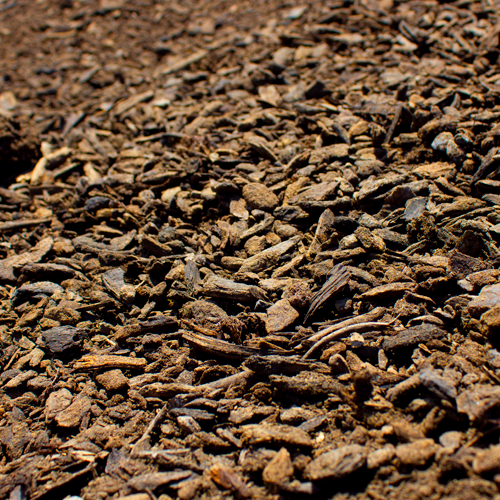
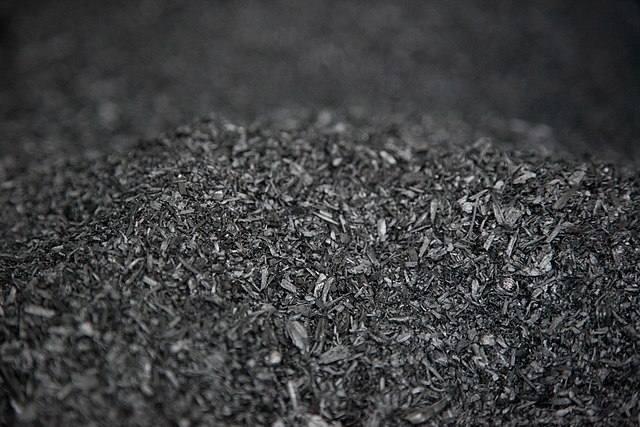
Biochar is a form of charcoal created through the pyrolysis of organic matter, where high temperatures decompose carbon-rich materials in the absence of oxygen. The resultant product boasts a stable and porous structure, which is not only a carbon reservoir but also acts as a sponge for nutrients and water. This intriguing combination of characteristics positions biochar as an unassuming yet formidable ally for both carbon capture and soil enhancement.
The Genesis of Biochar: A Historical Perspective
Historically, the use of charcoal in agricultural practice traces back thousands of years, particularly in the Amazon Basin where ancient civilizations utilized it to enrich nutrient-poor soils, creating what is now referred to as Terra Preta or “black earth.” This ancient wisdom showcases humanity’s longstanding recognition of biochar’s properties, yet it is only in recent decades that scientific inquiry has reignited interest in its potential. A re-examination of historical practices juxtaposed with contemporary research unveils a wealth of knowledge on optimizing biochar for modern use.
Environmental Benefits: A Dual-Edged Sword
At the crux of biochar’s allure is its remarkable capacity for carbon sequestration. When applied to the soil, biochar can lock carbon in a stable form for hundreds, or even thousands, of years, effectively reducing the amount of carbon dioxide in the atmosphere. This contrasts sharply with the transient nature of organic matter; typical crop residues decompose quickly, releasing stored carbon back into the atmosphere. In stark contrast, the carbon in biochar remains sequestered, thus offering a sustainable solution to mitigate the adverse effects of greenhouse gases.
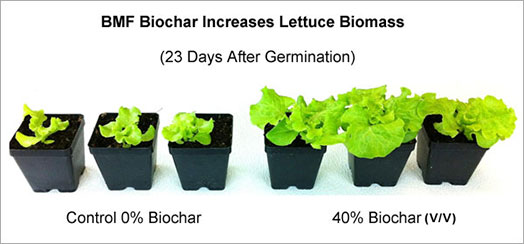
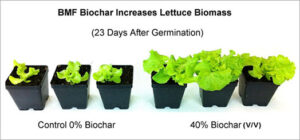
Furthermore, biochar enhances soil fertility, structure, and water retention. The porous nature of biochar creates a habitat for beneficial microbes, promoting a vibrant soil ecosystem. This is particularly beneficial in degraded soils that have suffered from erosion, nutrient depletion, and improper management practices. By revitalizing these soils, biochar not only aids in carbon storage but also boosts agricultural productivity, contributing to food security.
A Sustainable Circular Economy
The production of biochar can align beautifully with the principles of a circular economy. By utilizing waste products, such as agricultural residues, forestry waste, and organic municipal waste, biochar production can reduce landfill accumulation while simultaneously creating a valuable commodity. By converting waste into biochar, we are not only addressing issues of waste management but also generating renewable energy during the pyrolysis process, thus providing a holistic approach to sustainability.
Challenges on the Horizon
Moreover, financial barriers exist that hinder widespread implementation. Establishing biochar production facilities requires upfront investment, and the market for biochar remains nascent. Ensuring that the environmental and economic benefits are understood and acknowledged by stakeholders is essential for fostering growth in this sector. Implementing supportive policies that incentivize biochar production could catalyze its development, paving the way for a transformative approach to carbon management.
The Road Ahead: Policy Integration and Public Awareness
Incorporating biochar into carbon trading schemes could further incentivize its production and adoption. By recognizing the carbon sequestration potential of biochar, market mechanisms could reward producers, thus driving investment. Additionally, promoting small-scale production technology can empower farmers to utilize local resources, creating a grassroots movement that champions sustainable agricultural practices.
A Call to Action: Pioneering Change
The promise of biochar beckons a shift in perspective—a re-evaluation of not only how we view waste but also how we approach carbon sequestration. Embracing this innovative solution could catalyze transformative change, making biochar the missing link in the ambitious quest to restore balance to our planet’s delicate ecosystems.