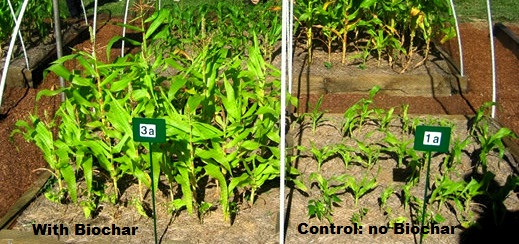
In the ever-evolving landscape of agriculture and sustainable gardening, a remarkable substance has emerged from the shadows of obscurity to claim its rightful place in the spotlight: biochar. This carbon-rich material, born from the ancient process of pyrolysis, has captivated the attention of horticulturists, farmers, and eco-conscious enthusiasts alike. The narrative surrounding biochar is not merely a recounting of its origins; it promises to revolutionize our understanding of soil health while simultaneously offering an arsenal of benefits for a bountiful harvest. As we delve into the depths of biochar, brace yourself for an enlightening journey into the synthesis of science and stewardship, ensuring your plants thrive like never before.
Understanding Biochar: More than Just Charcoal
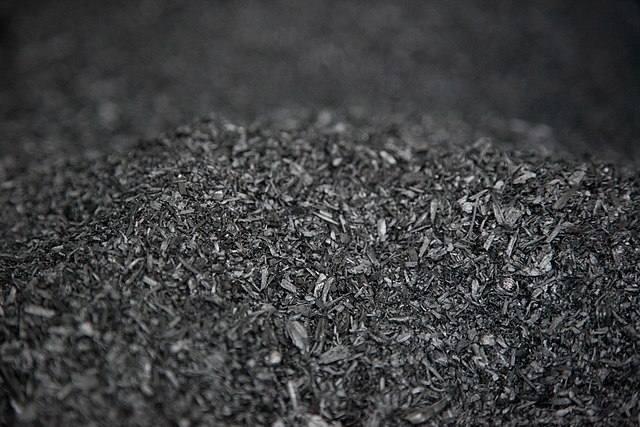
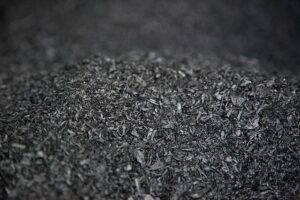
Biochar, often mistaken for regular charcoal, is an innovative soil amendment crafted primarily from organic materials such as agricultural residues, wood chips, and even food waste. Through pyrolysis—where biomass is heated in the absence of oxygen—biochar is created, resulting in a stable form of carbon that benefits both the environment and plant life. This transformation not only enhances the material’s ability to retain nutrients but also ensures that the carbon remains sequestered in the soil for centuries, contributing to a radical shift in carbon management practices.
The Environmental Impact: A Carbon Sink
One of the most compelling aspects of biochar lies in its potential to combat climate change. By converting organic waste into biochar, we can divert materials from landfills while simultaneously locking away carbon dioxide that would otherwise contribute to the greenhouse effect. Escaping the linear economy of waste, biochar embodies circular economy principles by promoting a sustainable and resilient ecosystem. The soil, enriched with biochar, not only acts as a carbon sink but also fosters beneficial microbiota, enhancing the earth’s fertility for generations. Transitioning to biochar opens up discussions on sustainable practices that contribute to a healthier planet.
Soil Health: The Foundation of Fertility
As every seasoned gardener knows, successful cultivation hinges on the quality of soil. Biochar makes an indelible mark on the soil matrix, creating a porous structure that enhances aeration and drainage while promoting water retention. This intricate network allows roots to penetrate deeper, searching for nutrients and moisture, thus establishing stronger and more resilient plants. Moreover, biochar acts as a reservoir for essential nutrients, mitigating leaching and ensuring that vital elements remain accessible to plants even during dry seasons.
Imagine a garden thriving in the wake of biochar’s utility: fewer waterings are needed, drought tolerance significantly increases, and plant health flourishes. This multifaceted amendment transforms the very nature of soil, turning it into a living environment that nurtures biodiversity and system resilience.
Enhancing Nutrient Availability
The intricate interplay between biochar and nutrients unveils an almost symbiotic relationship. Biochar possesses a high surface area teeming with functional groups that can adsorb, retain, and release nutrients selectively. It is particularly effective at enhancing the bioavailability of macronutrients like nitrogen, phosphorus, and potassium, as well as micronutrients essential to plant vitality. The presence of biochar in soil helps mitigate nutrient-lock states, ensuring that plants can access these crucial elements at critical stages of growth.
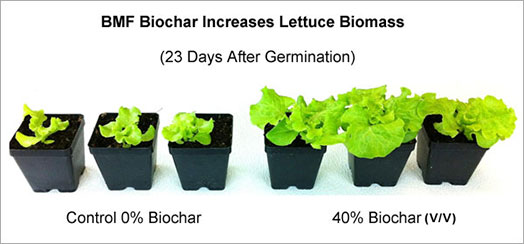
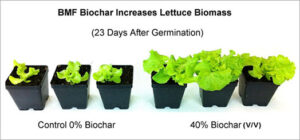
Pursuers of organic gardening often observe the benefits of incorporating biochar into their soil amendment regimen. From the vibrant blooms of kale to the robust yields of tomatoes, the investment in biochar yields a bounty of benefits, making it a powerful ally in the quest for plant health and productivity.
A Fostering Habitat for Beneficial Microbes
The enigmatic world of soil microorganisms has long been heralded as the unseen force behind plant health. Biochar serves as a cradle for beneficial bacteria and fungi, providing a conducive environment for microbial populations to thrive. Its unique porous structure creates niches for these organisms, contributing to improved soil biology and health.
Enhanced microbial activity catalyzes organic matter decomposition, leading to the formation of humus—an essential component of productive soils. As biochar harbors and nourishes these microbial communities, it accelerates nutrient cycling, promoting a dynamic relationship between plants and their microscopic allies.
Application Techniques: Making the Most of Biochar
For those enchanted by the potential of biochar, understanding the application techniques is paramount. Typically, biochar is mixed into the soil before seeding or planting, as this initial incorporation maximizes its benefits in nutrient retention and microbial establishment. One innovative approach involves pre-soaking the biochar in a nutrient-rich solution—a process known as “charging” or “inoculation.” This pre-treatment enhances nutrient availability and promotes a rapid integration into the soil ecosystem.
While the dosage may vary depending on specific soil conditions and crop types, a general guideline suggests starting with a small amount and gradually increasing based on observed plant responses. Experimentation is encouraged, leading to tailored applications and exceptional results.
The Future of Biochar in Sustainable Practices
As climate challenges intensify and sustainable practices gain momentum, biochar represents a beacon of hope for farmers, horticulturists, and anyone passionate about nurturing the earth. Its multifaceted benefits—from improving soil health to capturing carbon—encapsulate a shift in agricultural practices that prioritize resilience and sustainability. With increased research and education surrounding biochar, we stand at the precipice of a transformative era, where our collective choices could successfully intertwine productivity with responsibility.
Embracing this ancient yet rejuvenated technology can reinvigorate not only our gardens but the way we perceive our impact on the planet. Biochar is more than just a soil amendment; it is a harbinger of a paradigm shift—a call to cultivate a deeper appreciation for the delicate balance between nature and humanity.