In the realm of sustainable agriculture and eco-friendly practices, biochar emerges as an enchanting elixir—an enigmatic concoction steeped in the alchemical traditions of ancient civilizations. Much like how ancient goldsmiths would refine precious metals, the creation of biochar entails transforming organic materials through pyrolysis—a process devoid of oxygen that gives birth to this versatile substance. In this complete guide, we shall traverse the lush landscape of biochar’s uses, advantages, and disadvantages, illuminating its potential to transform ecosystems and agricultural practices.
Understanding Biochar
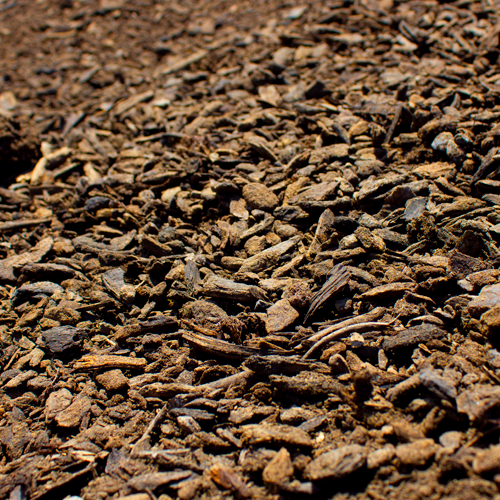
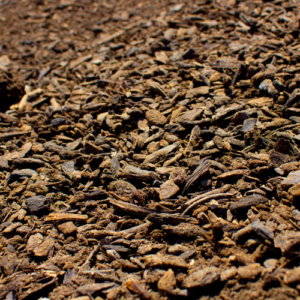
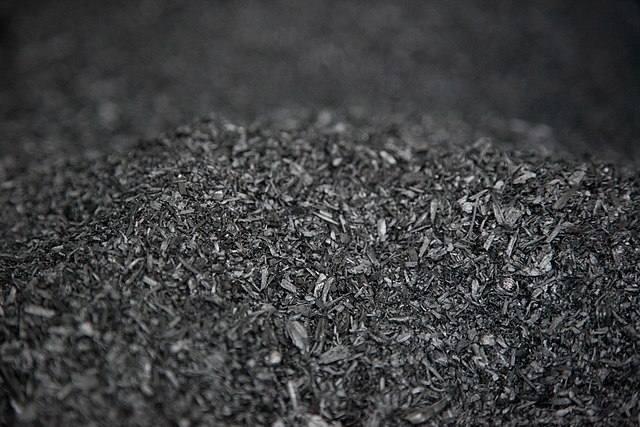
At its core, biochar is a carbon-rich byproduct derived from biomass, such as agricultural residues, forestry waste, and even municipal organic matter. It resembles charcoal in appearance, yet its properties extend far beyond mere combustion. Biochar acts as a potent soil amendment, mimicking nature’s own strategies for enhancing soil fertility and health. Through this alchemical transformation, biochar emerges as a stalwart guardian of soil, weathering the storms of modern agricultural challenges.
Applications of Biochar
Biochar finds its applications spread across a multitude of fields, each gleaning insights from its unique properties. Understanding these uses allows us to appreciate the multifaceted nature of this remarkable substance. Below are some prominent applications of biochar:
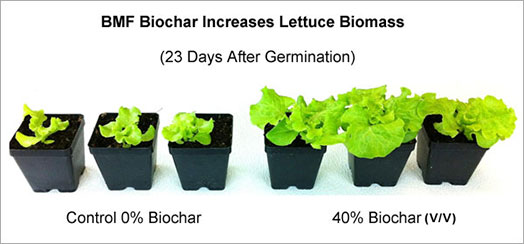
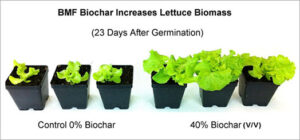
- Soil Amendment: One of the most celebrated applications of biochar is its integration into soil systems. When mixed with soil, biochar enhances nutrient retention, increases water-holding capacity, and improves soil structure. This process invites flora to flourish, akin to a well-tended garden bursting with vibrancy.
- Carbon Sequestration: In the battle against climate change, biochar serves as an invaluable ally. By sequestering carbon in a stable form, it significantly reduces greenhouse gas emissions while potentially mitigating the effects of climate change. It transforms fleeting carbon assets into durable relics, akin to capturing lightning in a bottle.
- Water Filtration: The porous nature of biochar enables it to serve as a filtration medium, adept at removing contaminants from water. It acts as a sentinel of purity, filtering out impurities and seizing unwanted toxins, ensuring safe and clean water for ecosystems and communities alike.
- Animal Feed Additive: Recent studies indicate that adding biochar to animal feed can improve digestion and nutrient absorption in livestock. This innovative application opens a dialogue on holistic animal husbandry, likening biochar to a nutritional lodestar guiding animals toward optimal health.
- Energy Production: The pyrolysis process that creates biochar generates bioenergy in the form of syngas and bio-oil. These byproducts can be harnessed for renewable energy, providing a circular economy of resources—a virtuous cycle of sustainability.
Advantages of Biochar
The benefits of biochar are as varied as its uses, weaving together threads of environmental preservation, agricultural enhancement, and economic opportunities. Here are some of the most compelling advantages:
- Enhances Soil Fertility: By improving nutrient retention and microbial activity, biochar fosters a fertile environment for crops to thrive. With increased yields and healthier plants, farmers can enjoy a bountiful harvest.
- Reduces Soil Erosion: Biochar reinforces soil structure, creating aggregates that enhance stability. This natural armor shields against erosion, akin to a fortress protecting the land from the ravages of wind and water.
- Improves Environmental Health: In absorbing toxins and heavy metals, biochar offers a pathway to rehabilitate contaminated soils and water bodies, much like a balm soothing an injured ecosystem.
- Facilitates Waste Management: By converting organic waste into a useful product, biochar provides an innovative solution for waste disposal dilemmas. It transforms waste into wealth, turning debris into durability.
- Promotes Biodiversity: The porous structure of biochar hosts beneficial microorganisms, creating a bustling community within the soil that promotes a diverse and resilient ecosystem.
Disadvantages of Biochar
However, like any multifaceted gem, biochar also possesses potential drawbacks that merit consideration. A nuanced understanding reveals several disadvantages:
- High Initial Costs: The production of biochar often requires significant investment in pyrolysis equipment and technology, making it less accessible for small-scale producers. The initial cost can be daunting, like a steep climb up a rugged mountain.
- Variable Quality: The efficacy of biochar can be inconsistent, often depending on the feedstock used for its production and the pyrolysis process. This variability can create uncertainty regarding its performance in different soil types and climates.
- Potential Release of Toxic Compounds: If not produced correctly, biochar might release harmful compounds, such as polycyclic aromatic hydrocarbons (PAHs), which could compromise soil and water health.
- Limited Awareness and Understanding: Many farmers and stakeholders remain unaware of biochar’s potential benefits and applications, impeding its adoption in wider agricultural practices. Education and outreach are necessary to illuminate its transformative power.
- Potential for Over-reliance: While biochar offers significant benefits, over-reliance on it without addressing other sustainable practices could lead to imbalances. Healthy ecosystems need diverse management strategies, much like a symphony thrives on a variety of instruments.
A Future Enriched by Biochar
Biochar exists at the intersection of innovation and tradition, echoing the wisdom of ancient agricultural practices while meeting the challenges of contemporary ecological issues. As the world grapples with climate change, soil degradation, and food security, biochar holds the promise of rejuvenation—a path to a resilient future fortified by nature’s own trademark strategies.
In conclusion, the exploration of biochar reveals a tapestry rich in potential. Its myriad uses, coupled with its advantages and disadvantages, present myriad opportunities for researchers, farmers, and environmentalists alike. When wielded wisely, biochar can serve as a beacon of hope in sustainable agriculture, restoring the delicate balance of nature’s intricate web.