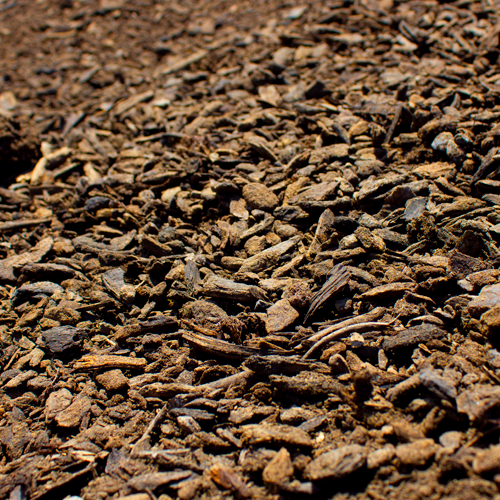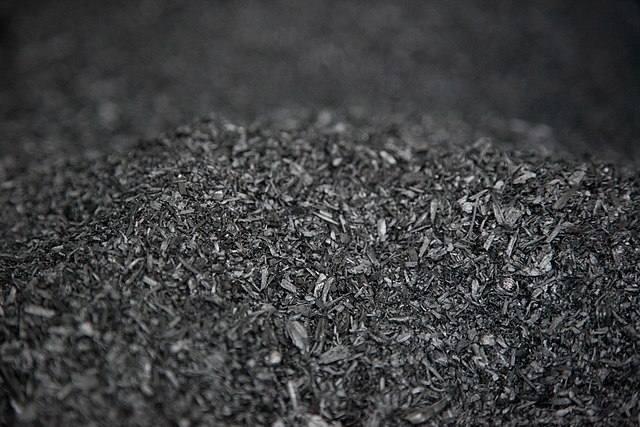
The comparison between biochar and charcoal often appears straightforward to the casual observer. Both are black, carbon-rich materials created through the thermal decomposition of biomass. Yet beneath their superficial resemblance lies a nuanced scientific distinction that dramatically alters their environmental impact, functional utility, and long-term stability. Exploring these differences unveils surprising insights, promising a shift in perspective and piquing curiosity about how ancient techniques have evolved into modern climate solutions.
Understanding How Biochar and Charcoal Are Made
Both biochar and charcoal emerge from pyrolysis, a process that involves heating organic materials under limited oxygen. However, the intent, temperature range, and production goals separate these two carbon products in meaningful ways.
Biochar Production: Designed for Soil and Carbon Retention
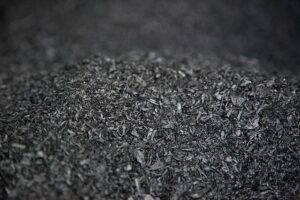
Biochar is created through slow pyrolysis, typically at temperatures between 350°C and 600°C. This controlled environment maximizes stable carbon formation while preserving the material’s internal porosity. The objective is not combustion. Instead, it is the sequestration of carbon into a solid form that resists decay for hundreds to thousands of years.
Producers often optimize feedstocks—wood chips, crop residues, manure, or forestry waste—to enhance specific properties such as surface area, pore distribution, and cation exchange capacity. These characteristics allow biochar to function as both a soil amendment and an environmental remediation tool.
Charcoal Production: Designed for Fuel
Charcoal, in contrast, is typically manufactured at higher temperatures, often between 600°C and 900°C, and is intended for burning. Its production favors volatile removal and carbon concentration to create a material with a high energy density.
Charcoal is engineered to ignite easily, burn hot, and maintain consistent combustion. Although its structure resembles biochar, its purpose—fuel rather than soil enhancement—drives significant differences in the final product.
Chemical and Structural Differences That Matter
Porosity and Surface Area
Biochar’s unique pore structures emerge from slow pyrolysis and lower heat exposure. These pores create large internal surface areas that host beneficial microbes, retain water, and support nutrient exchange. Its architecture functions as a microscopic apartment complex for soil organisms.
Charcoal’s structure is typically more condensed and less biologically conducive. While still porous, its pore sizes are less optimized for ecological interactions.
Nutrient and pH Influence
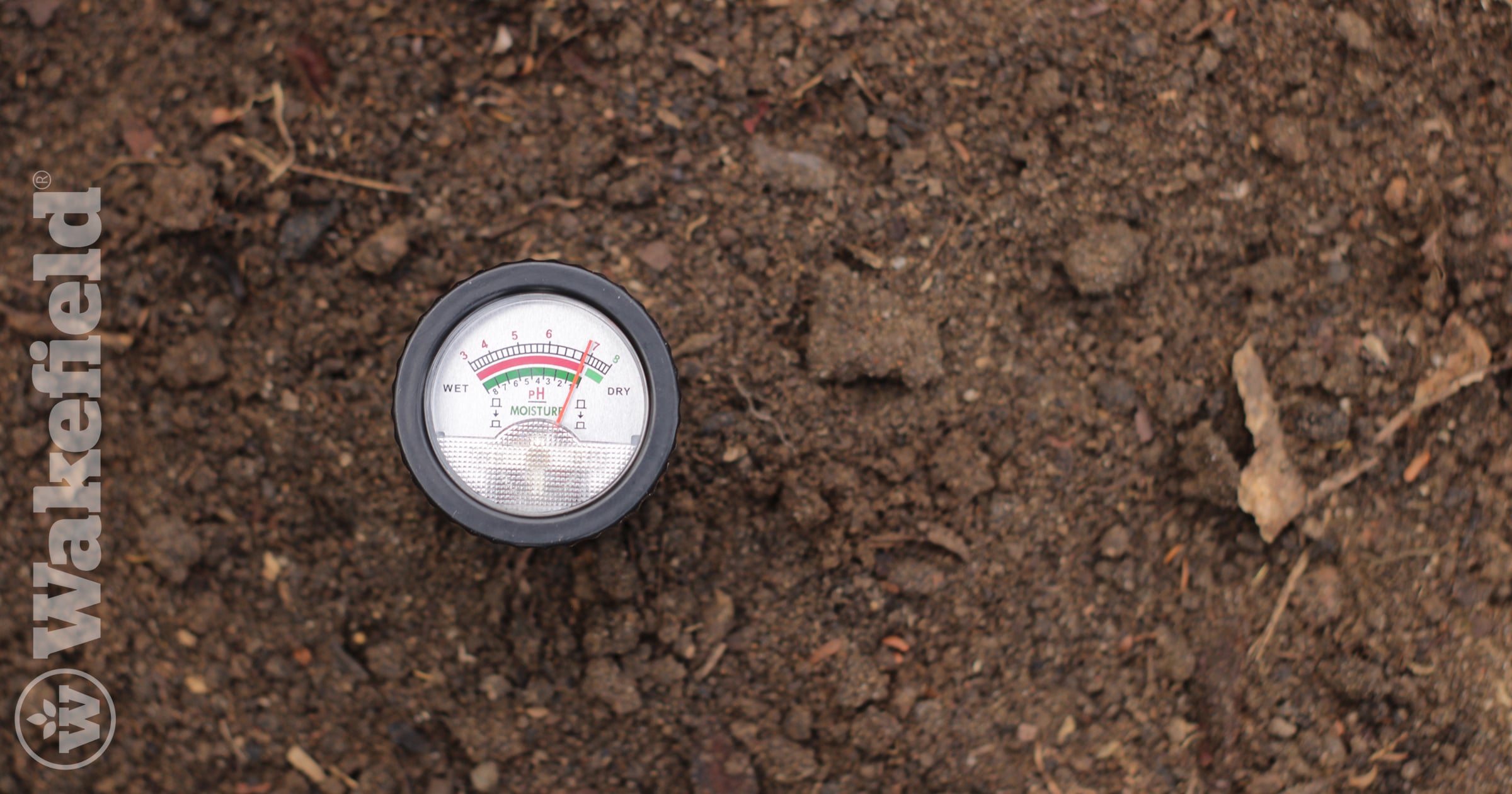
Biochar often contains mineral ash and functional groups that can elevate soil pH, reduce acidity, and enhance nutrient accessibility. Properly produced biochar undergoes activation or quenching processes to maintain a stable chemical profile compatible with agriculture.
Charcoal, however, may contain residual tar, ash, or combustion byproducts. When added to soil without preparation, it may introduce contaminants rather than benefits.
Carbon Stability
The most profound scientific distinction lies in carbon permanence.
- Biochar contains highly stable aromatic carbon structures resistant to microbial degradation. This stability allows biochar to remain in soil for centuries.
- Charcoal is less stable, especially when produced at very high temperatures that reduce functional groups contributing to long-term carbon resistance.
Biochar’s stability makes it a promising tool for climate mitigation, capturing atmospheric carbon and retaining it within soil ecosystems.
Functional Uses: From Agriculture to Climate Strategy
Biochar in Agriculture and Environmental Management
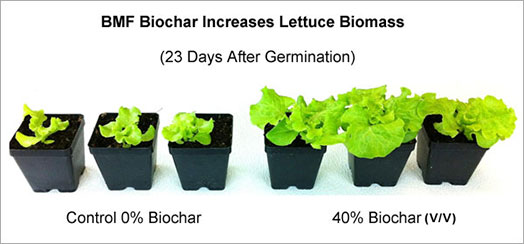
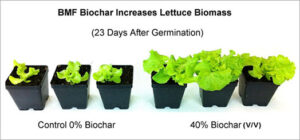
Biochar is widely recognized for its role in enhancing soil fertility. Studies demonstrate its ability to:
- Increase water retention in sandy soils
- Improve aeration in clay-dominated soils
- Enhance microbial diversity
- Stabilize nutrients such as nitrogen and phosphorus
- Reduce chemical leaching into waterways
Furthermore, biochar acts as a carrier for compost, fertilizers, and microbial inoculants. Environmental engineers also deploy biochar in water filtration, contaminant adsorption, and land reclamation due to its exceptional absorption properties.
Charcoal as a Fuel Source
Charcoal maintains relevance in industrial metallurgy, traditional cooking, barbecue grilling, and metalworking. Its ability to produce consistent heat without excessive smoke has made it an indispensable energy source for centuries.
However, its combustion releases CO₂ back into the atmosphere, meaning charcoal offers no net carbon sequestration benefits.
The Climate Dimension: Why the Distinction Matters
The global discourse on climate change has propelled biochar into the spotlight as a tangible, scalable negative-emission technology. When biomass decomposes naturally, it releases carbon dioxide and methane into the atmosphere. Pyrolyzing biomass into biochar interrupts this cycle, locking carbon into a solid state.
Biochar as a Carbon Sink
According to the International Biochar Initiative, biochar can reduce atmospheric carbon by up to 50% of the carbon contained in the original biomass, storing it for millennia (IBI, 2021). This positions biochar as a complementary strategy alongside reforestation, regenerative agriculture, and renewable energy adoption.
Charcoal’s Carbon Release
Charcoal’s carbon is ultimately re-released when burned. While less polluting than raw wood combustion, charcoal does not contribute to carbon mitigation. Instead, its value resides purely in energy production.
Historical Context: A Shared Ancestry with Divergent Futures
Ancient Amazonian societies pioneered a form of early biochar known as Terra Preta—a rich black soil containing stable char residues. Modern soil scientists regard Terra Preta as evidence of sophisticated agricultural engineering capable of sustaining fertility for thousands of years.
Charcoal also has a deep historical lineage, serving as a metallurgical fuel and early industrial catalyst. Its significance in forging tools, weapons, and early infrastructure cannot be overstated.
Despite their shared origins in humanity’s early experiments with fire, biochar and charcoal now represent two entirely different technological trajectories—one focused on ecological longevity, the other on fuel efficiency.
Conclusion: Why the Differences Demand Attention
Examining biochar vs. charcoal exposes a fascinating divergence rooted in intent, chemistry, and environmental consequence. Biochar’s value lies in its stability, ecological benefits, and long-term carbon sequestration potential. Charcoal’s utility remains grounded in its energy density and combustion characteristics.
Understanding these distinctions not only clarifies common misconceptions but also positions biochar as a critical tool in the global pursuit of sustainable land management and climate resilience. As scientific awareness continues to grow, the hidden science behind these two carbon-rich materials promises to reshape how societies perceive waste, soil, energy, and the future of carbon stewardship.
References
- International Biochar Initiative (2021). Biochar Carbon Stability and Soil Applications.
- Lehmann, J., & Joseph, S. (2015). Biochar for Environmental Management: Science, Technology and Implementation. Routledge.
- Woolf, D., Amonette, J., Street-Perrott, F., Lehmann, J., & Joseph, S. (2010). Sustainable biochar to mitigate global climate change. Nature Communications.
- Glaser, B., Haumaier, L., Guggenberger, G., & Zech, W. (2001). The ‘Terra Preta’ phenomenon: a model for sustainable agriculture.