As the world grapples with the dual challenges of climate change and energy scarcity, biochar emerges from the shadows of the agricultural and environmental sectors like a phoenix ready to reshape our energy landscapes. This carbon-rich material, crafted from the pyrolysis of biomass, is not merely a soil amendment; it is a beacon of hope illuminating the path toward sustainable biofuels and renewable energy markets. The potential of biochar is vast and multifaceted, akin to an untapped reservoir waiting to be harnessed. In this exploration, we delve into the myriad ways biochar can revolutionize energy production while concurrently tackling pressing environmental dilemmas.
The Birth of Biochar: An Alchemical Transformation
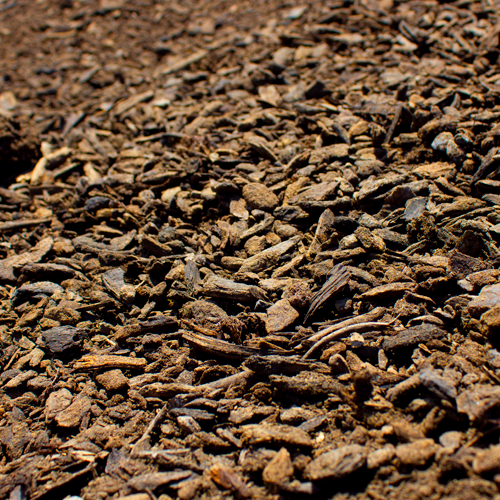
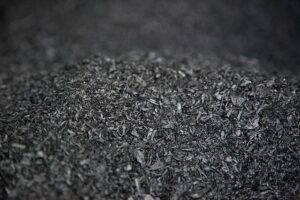
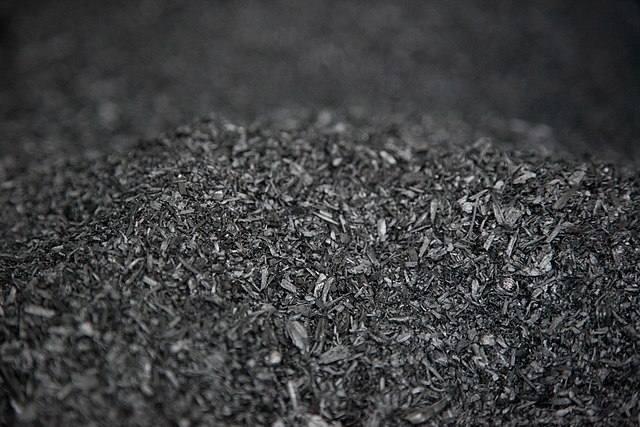
At its essence, biochar is produced through the thermal decomposition of organic materials at high temperatures in the absence of oxygen—a process known as pyrolysis. This technological alchemy transforms agricultural residues, forestry waste, and other biomass into a stable carbon structure. Picture a landscape littered with crop stalks or logs destined for decay; when subjected to pyrolysis, these cast-offs metamorphose into a valuable resource, much like the transformation of lead into gold in the realm of alchemy. This enchanting process not only creates biochar but also releases bio-oil and syngas, which can serve as renewable fuel sources. In this way, biochar is not simply a byproduct but a vital component of an interconnected energy ecosystem.
Biochar as a Carbon Sink: The Environmental Hero
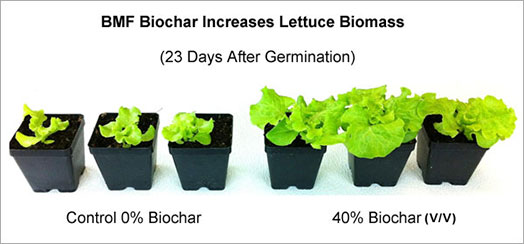
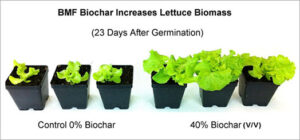
One of the most striking qualities of biochar is its capacity to sequester carbon. As it is mixed into soil, it can lock away carbon for centuries, effectively diverting it from the atmosphere and mitigating the pernicious effects of climate change. Consider biochar as a carbon custodian, safeguarding our planet’s precious greenhouse gases from reckless liberation. Not only does it offer a solution to carbon emissions, but biochar can also enhance soil health, improve water retention, and boost nutrient availability. Herein lies a unique appeal; as biochar serves dual purposes—environmental remediation and soil enrichment—it can contribute to a holistic approach to sustainability. This synergy positions biochar as a key player in the renewable energy landscape, where reducing our carbon footprint is of paramount importance.
Driving Biofuels Innovation: A New Frontier
In the quest for cleaner and more sustainable energy sources, biochar presents an innovative frontier in biofuels production. The syngas produced during biochar’s creation is rich in hydrogen and carbon monoxide, both essential elements for generating renewable fuels. When further processed, syngas can be transformed into synthetic natural gas or liquid fuels, thereby increasing energy diversity. By leveraging agricultural waste streams, the biofuel industry can substantially decrease its dependence on fossil fuels. Imagine a world where the waste from our fields and forests could be converted into clean energy, allowing us to power our vehicles and homes with a clear conscience.
Integrating at the Local Level: Economic Viability
Adopting biochar technology does not merely evoke an environmental revolution; it engenders economic vibrancy at the community level. Local farmers, foresters, and biomass managers can monetize waste products that would otherwise remain unutilized. This circular economy framework is not just a dream; it is a pragmatic approach whereby waste is transformed into wealth. The establishment of biochar production facilities could stimulate job creation in rural communities, fostering a renewed sense of purpose in agricultural and forestry sectors. Moreover, as biochar gains traction, the market for carbon credits linked to biochar application may create additional financial incentives for practitioners, further embedding sustainability in the agricultural ethos.
A Resilient Energy Ecosystem: Overcoming Challenges
While the promise of biochar is profound, it is essential to navigate the challenges inherent in bringing this material to the forefront of the renewable energy discourse. Understanding regional variation in biomass availability and the technical nuances of production is crucial. Some might envision biochar facilities as industrial giants, but the reality often calls for smaller, decentralized approaches that can cater to local needs while minimizing transportation emissions. Furthermore, establishing robust markets for biochar products and the renewable energy derived from them requires concerted efforts from policymakers, stakeholders, and researchers to foster collaboration and awareness. However, despite these challenges, the potential rewards are significant—transforming the biochar landscape from an emerging concept into a foundational pillar of future biocarbon strategies.
A Multifaceted Solution for Sustainable Development
The narrative surrounding biochar is a compelling tapestry woven from threads of environmental stewardship, fuel innovation, and economic opportunity. As we stand at the intersection of ecological necessity and energy demand, biochar beckons with the promise of a sustainable solution embracing multiple dimensions of our lives. Its versatility as a carbon sink and contributor to biofuel production, combined with its economic potential, positions biochar as a seminal player in the renewable energy markets of the future.
Conclusion: Embracing the Future with Biochar
As we forge ahead into uncharted territories in pursuit of energy independence and environmental protection, biochar stands out as not just an option but an imperative for a sustainable future. It invites us to reconsider how we produce, consume, and manage our resources, challenging us to embrace a worldview that values transformation. The time has come to unlock the immense potential of biochar, turning the tides against climate change and navigating toward a realm where energy is both renewable and restorative. Let us harness this burgeoning technology to plant the seeds of a cleaner, greener tomorrow.