Biochar, a carbon-rich byproduct derived from the pyrolysis of organic matter, has begun to rise in prominence within agricultural and environmental science realms. As progressive farmers and researchers increasingly recognize its multifarious benefits, it is essential to dissect its impact on soil profiles and plant development. The narrative surrounding biochar invites both curiosity and optimism, promising a paradigm shift in how we view soil health and sustainable agriculture.
Understanding Biochar
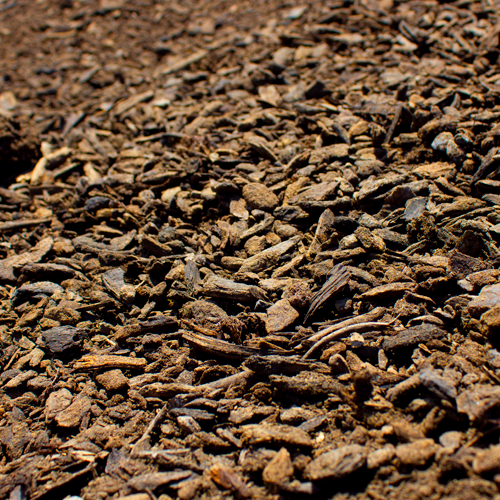
To appreciate the ramifications of biochar on the soil profile and plant development, one must first comprehend what biochar truly is. Essentially, it is a form of charcoal produced through a thermochemical process called pyrolysis, which entails decomposing organic material in the absence of oxygen. This distinctive process preserves much of the original material’s carbon content, resulting in a stable product that can sequester carbon for centuries. Unlike conventional fertilizers that may offer ephemeral benefits, biochar emerges as both a soil amendment and a sustainable carbon sink.
Enhancing Soil Structure
One of the most immediate benefits of incorporating biochar into the soil profile is the enhancement of soil structure. When applied, biochar contributes to improved aggregation of soil particles, leading to a well-aerated and porous environment. This structural transformation is pivotal, as it significantly affects the soil’s ability to retain moisture and nutrients. Aggregated soils resist compaction, allowing for easier root penetration and better overall aeration. The overarching benefit is a conducive environment for root development, which will be explored in greater depth shortly.
Nutrient Retention and Availability
Biochar’s unique physicochemical properties enable it to retain essential nutrients effectively. Due to its high surface area and cation exchange capacity (CEC), biochar acts as a reservoir for positively charged ions such as calcium, magnesium, and potassium. This retention mitigates nutrient leaching—a common challenge in conventional agricultural practices. Consequently, the application of biochar can lead to reduced fertilizer requirements, promoting sustainable farming practices that align with ecological principles.
Moreover, biochar’s influence on nutrient availability extends to enhanced microbial activity. As it provides a habitat for microbes, biochar increases the population and diversity of beneficial soil organisms. The synergistic relationship between microbes and plants becomes more pronounced as these organisms break down organic matter, liberating nutrients in a plant-available form. Thus, biochar acts as a bio-inoculant, fostering a thriving soil ecosystem that optimizes nutrient cycling.
Enhancing Water Retention
In drought-prone areas, water retention becomes paramount. The porous structure of biochar allows it to hold moisture within its channels, making water more available to plant roots during dry spells. Studies confirm that soils enriched with biochar retain significantly more water compared to their unamended counterparts. This characteristic can yield substantial benefits for farmers, particularly as climate change exacerbates the frequency and intensity of droughts worldwide. The water-holding capacity of biochar revolutionizes irrigation practices, fostering more resilient agricultural systems.
Influencing Soil pH
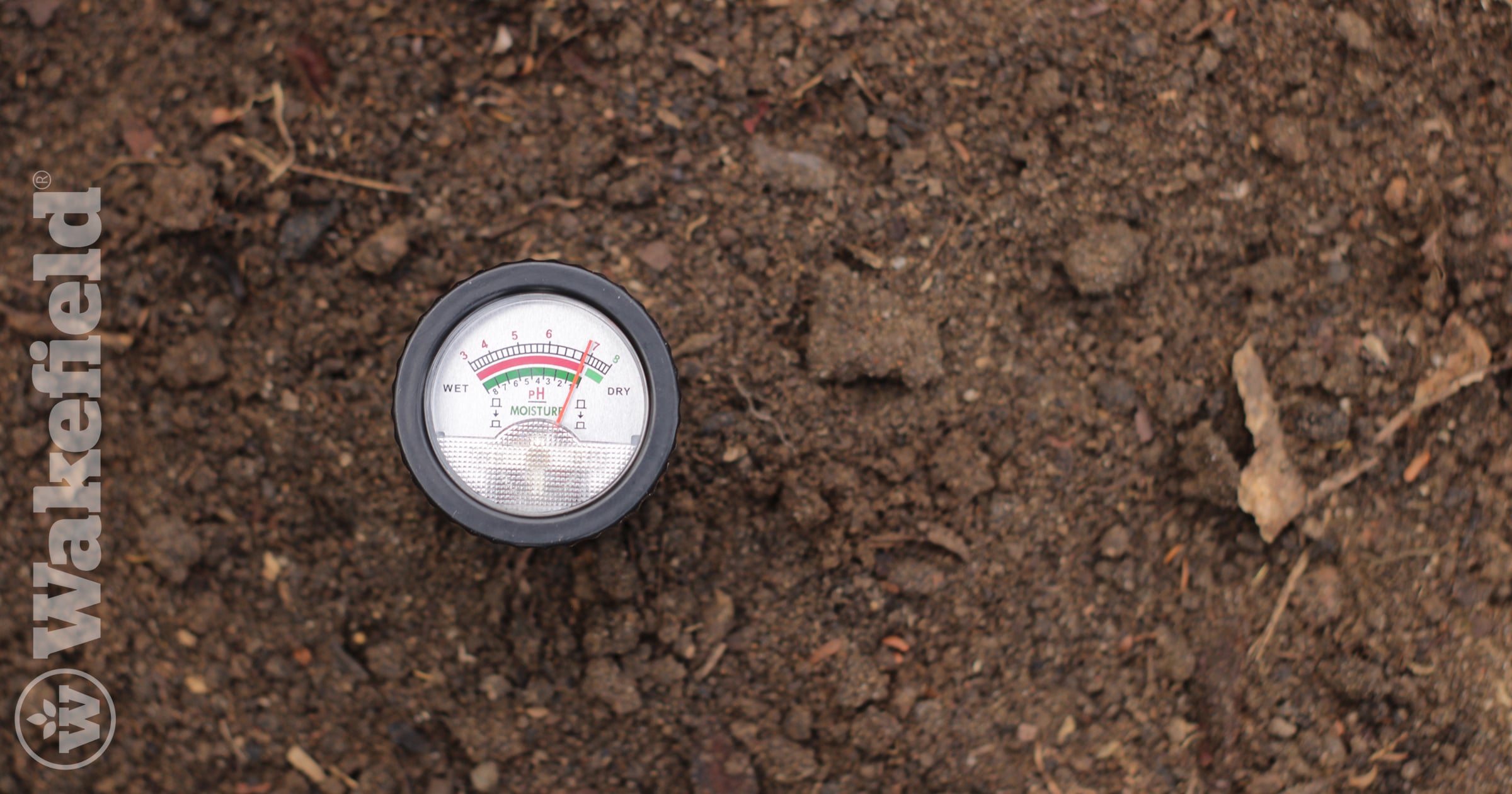
Soil acidity presents another challenge in agricultural landscapes. Many crops thrive within specific pH ranges; however, acidic soils can hinder plant growth by reducing nutrient availability. Biochar, depending on its feedstock and production methods, often displays alkaline properties that can help mitigate soil acidity. As the biochar integrates into sandy or loamy soils, it contributes to a more neutral pH, thus promoting the optimal proliferation of root systems and enhancing plant health.
Stimulating Root Development
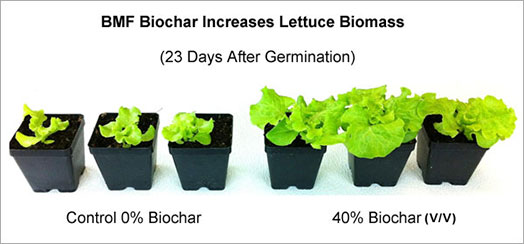
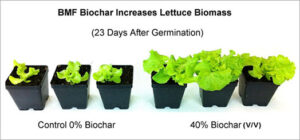
The transformation of the soil profile through biochar significantly influences root development. As root systems expand into well-structured, nutrient-rich, and moisture-retaining soil, plants can access resources more effectively. The roots establish a robust connection with soil microbes, while also benefiting from increased aeration. This dual advantage accelerates plant growth and fortifies them against pathogens, pest infestations, and environmental stressors. In this way, biochar not only supports superficial growth but also fosters a resilient underground network critical for overall plant vigor.
Contributing to Carbon Sequestration
While the focus predominantly lies on biochar’s benefits to soil and plant health, it is imperative to acknowledge its role in carbon sequestration. By converting plant material that would otherwise decompose and release carbon dioxide back into the atmosphere, biochar serves as a tool not only for enhancing soil quality but also for mitigating climate change. Sequestering carbon effectively contributes to achieving global climate objectives. The integration of biochar into agricultural practices promotes a future where both sustainability and productivity are not mutually exclusive.
The Road Ahead: Our Perspective
As awareness of biochar’s myriad advantages grows, the question arises: can we shift our farming perspectives to embrace this ancient practice in a modern context? By envisioning biochar as a fundamental component of sustainable agriculture, we not only enhance soil and plant health but contribute positively to global initiatives focused on climate resilience and food security. The transformative potential of biochar lies not only in its immediate benefits but in the broader ecological narrative it weaves—one that ushers in a sustainable future grounded in the principles of regenerative agriculture.
In summation, biochar signifies a pivotal shift in how we perceive and interact with soil profiles and plant development. Understanding its multifaceted benefits inspires curiosity and optimism—reminding us that innovative solutions often lie hidden within the simplicity of nature’s cycles.