Soil health is foundational to successful agriculture, particularly in areas where acidity poses a significant challenge. The introduction of biochar as an amendment to acidic soils has garnered increasing attention in recent years. As a carbon-rich material derived from the pyrolysis of biomass, biochar possesses unique properties that can drastically enhance soil quality. This article delves into the ways in which biochar can effectively ameliorate acidic soils, benefiting growers and their yields alike.
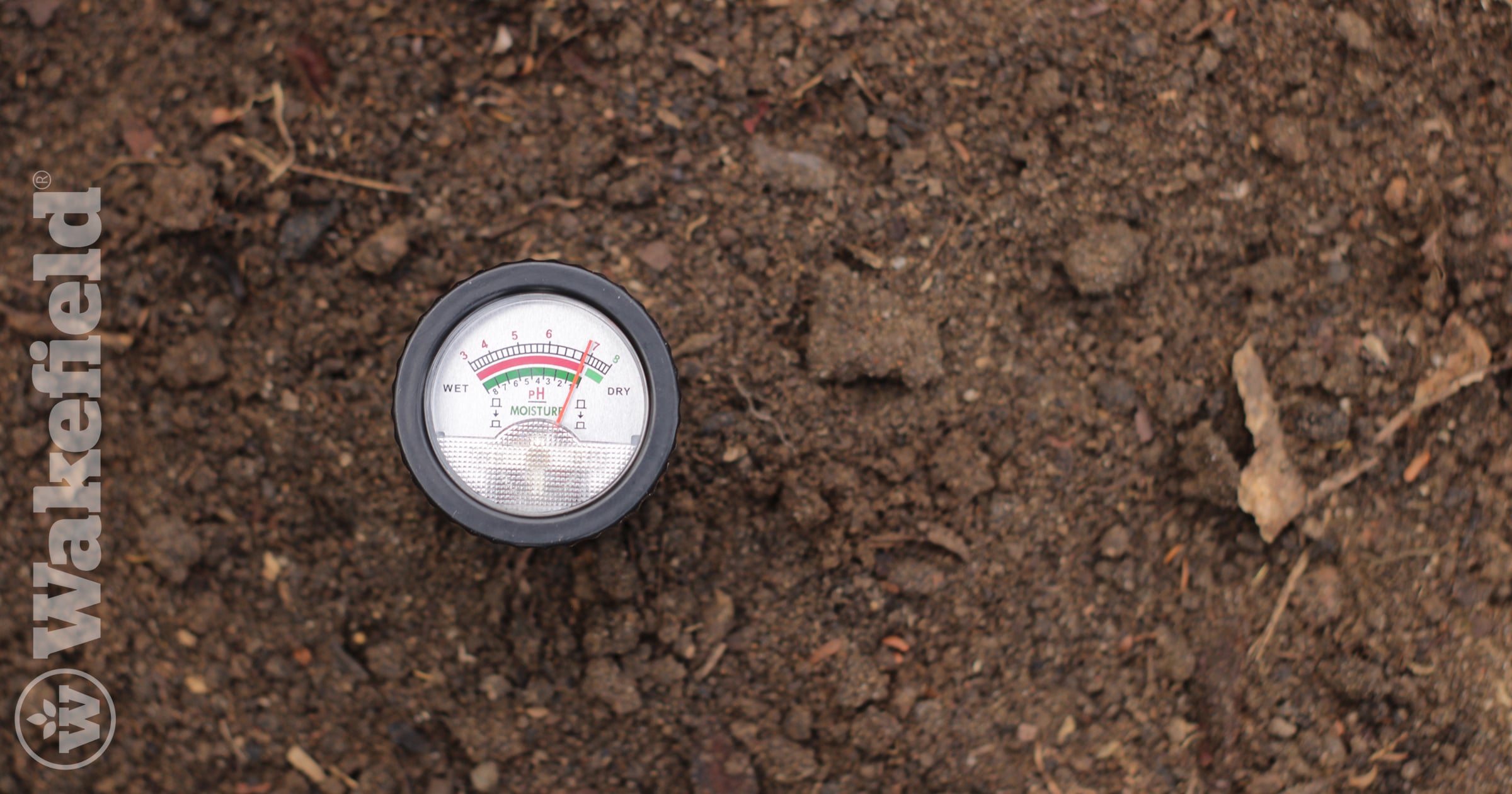
Acidic soils present several challenges: poor nutrient availability, hindered microbial activity, and compromised plant health. The primary cause of soil acidity often stems from the leaching of essential nutrients, excess rainfall, or the decomposition of organic matter. Understanding the complexities of soil pH is essential for any grower aiming to maximize productivity. Here, biochar comes into play, serving as a multifaceted solution.
1. The Scientific Basis of Biochar
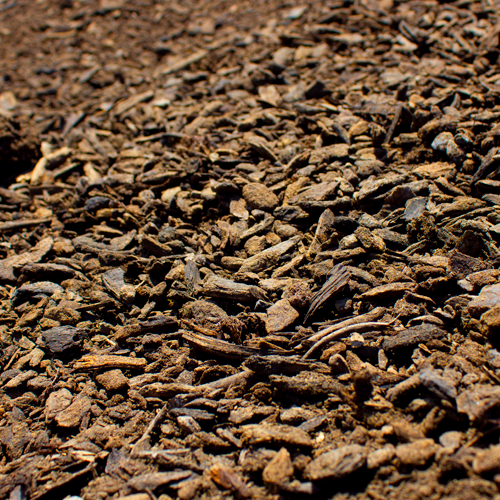
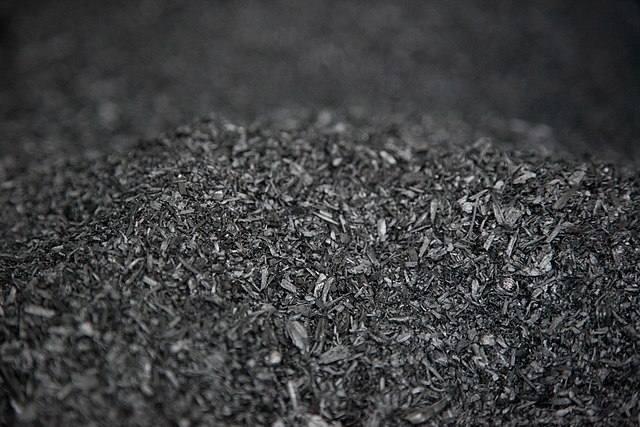
Before diving into its benefits, it’s essential to grasp what biochar is. Produced through thermal decomposition, biochar retains an abundance of stable organic carbon, which is resistant to microbial breakdown. Its porous structure enhances aeration and moisture retention, making it a valuable addition to any grower’s toolkit. Furthermore, biochar’s unique properties allow it to interact with soil particles in a way that can mitigate acidity while providing essential nutrients.
2. Neutralizing Soil Acidity
One of the primary functions of biochar in acidic soils is its potential to buffer pH levels. By introducing alkaline elements such as calcium, potassium, and magnesium, biochar can help to neutralize excess hydrogen ions that contribute to soil acidity. This buffering capacity is particularly beneficial in the establishment of stable pH levels, promoting optimum conditions for crop growth. Consequently, plants are better able to absorb vital nutrients, thus improving overall health and yield.
3. Enhancing Nutrient Retention
In acidic soils, essential nutrients often become less available due to increased solubility or interaction with aluminum ions, leading to toxic conditions for plants. Biochar’s porous structure serves as a reservoir for nutrients, effectively retaining them within the soil matrix. The charge properties of biochar allow it to attract cations, which are the positively charged ions essential for plant nutrition. This retention capability mitigates nutrient leaching and ensures that crops have continual access to vital elements throughout their growth stages.
4. Stimulating Soil Microbial Activity
The application of biochar significantly alters the soil microbiome. The porous nature of biochar provides habitat and protection for beneficial microorganisms, thus enhancing microbial diversity and activity. Greater microbial resilience contributes to improved soil fertility and health, as these microorganisms play crucial roles in nutrient cycling and organic matter decomposition. Moreover, the enhanced microbial activity helps to further buffer soil pH, creating an environment conducive to sustainable agricultural practices.
5. Improving Water Retention
Water scarcity is increasingly becoming a pressing issue for growers, especially in regions with acidic soils that hold water poorly. Biochar improves soil structure, fostering better aggregation and aeration. Its hydrophilic properties enable it to retain water more effectively than untreated soils. This characteristic can be particularly beneficial during dry spells, as it aids in maintaining adequate moisture levels for crops, ultimately leading to a more resilient farming operation.
6. Promoting Carbon Sequestration
Beyond its immediate benefits to soil, biochar plays a role in climate mitigation through carbon sequestration. By converting biomass into a stable form of carbon, biochar prevents the release of greenhouse gases associated with decomposition and soil disturbance. Consequently, its use not only improves soil health but also aligns agricultural practices with environmental sustainability goals.
7. Application Techniques for Optimal Results
Effectively integrating biochar into soil management requires consideration of application techniques. Soil incorporation—mixing biochar directly into the soil—is often the preferred method. However, surface application followed by mulching or tillage can also yield positive results. Tailoring application rates based on soil type and crop needs is vital, as excessive application may lead to nutrient imbalances. Generally, starting with small quantities and gradually increasing based on response can lead to optimal outcomes.
8. Case Studies Demonstrating Efficacy
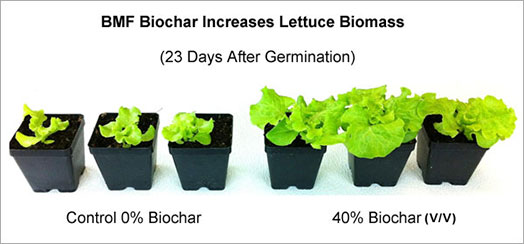
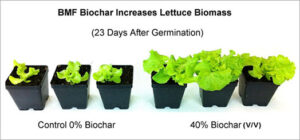
Numerous studies have showcased the successful application of biochar in acidic soils, featuring a variety of crops ranging from maize to soybeans. In regions characterized by high levels of soil acidity, growers reported marked improvements in crop vitality and yield after incorporating biochar. Many of these case studies highlight not only the immediate agronomic benefits but also the long-term sustainability conferred by biochar applications.
9. Considerations for Growers
While biochar offers significant advantages, growers must remain cognizant of its limitations. The source material and production method can influence the properties of biochar, such as nutrient content and pH levels. As such, conducting a thorough analysis before introduction is prudent. Additionally, educating oneself on the diverse types of biochar available can help farmers make informed decisions tailored to their unique soil conditions and crop requirements.
10. Embracing the Future of Agriculture
In conclusion, biochar represents a promising solution for ameliorating acidic soils, enriching soil health, enhancing nutrient availability, and promoting sustainable agricultural practices. As the world grapples with climate change, understanding and harnessing the benefits of biochar could be key to meeting food security challenges. Through research, innovation, and a commitment to best practices, growers can embrace biochar’s potential, ensuring both productive and regenerative agricultural systems for generations to come.