As the world grapples with the daunting challenges of climate change and environmental degradation, innovative solutions emerge in the most unexpected places. One such promising approach is biochar, a carbon-rich substance created through the pyrolysis of organic materials. This article delves into the intricate relationship between biochar and forest conservation, exploring how this remarkable material could be pivotal in ensuring the health and sustainability of our forests.
Understanding Biochar
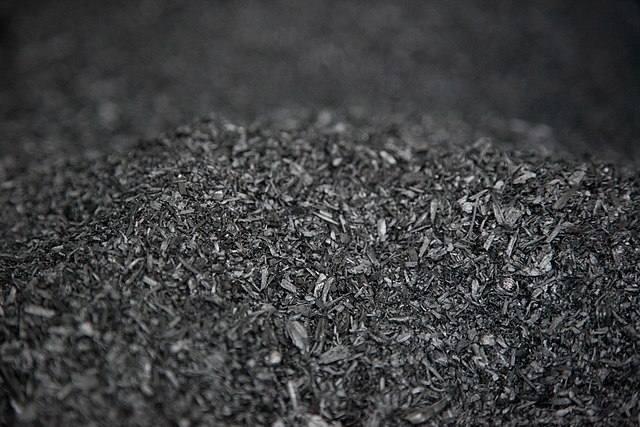
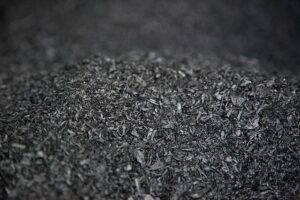
Biochar is formed through a process of thermal decomposition in a zero-oxygen environment, transforming biomass into a stable form of carbon. This ancient technique, once practised by Indigenous populations in the Amazon Basin, has recently gained recognition for its potential benefits in modern agriculture and environmental management. Biochar’s unique properties make it an invaluable resource for improving soil health, enhancing agricultural productivity, and mitigating climate change.
The Role of Forests in Climate Regulation
Forests are often dubbed the lungs of the Earth, playing a crucial role in carbon sequestration. They absorb carbon dioxide during photosynthesis, storing carbon in biomass and soil. However, deforestation, forest fires, and climate change threaten these vital ecosystems. The alarming rate at which forests are being depleted calls for urgent measures to protect and sustain them. The introduction of biochar into forest management practices presents an innovative solution to a pressing problem.
Enhancing Soil Health and Fertility
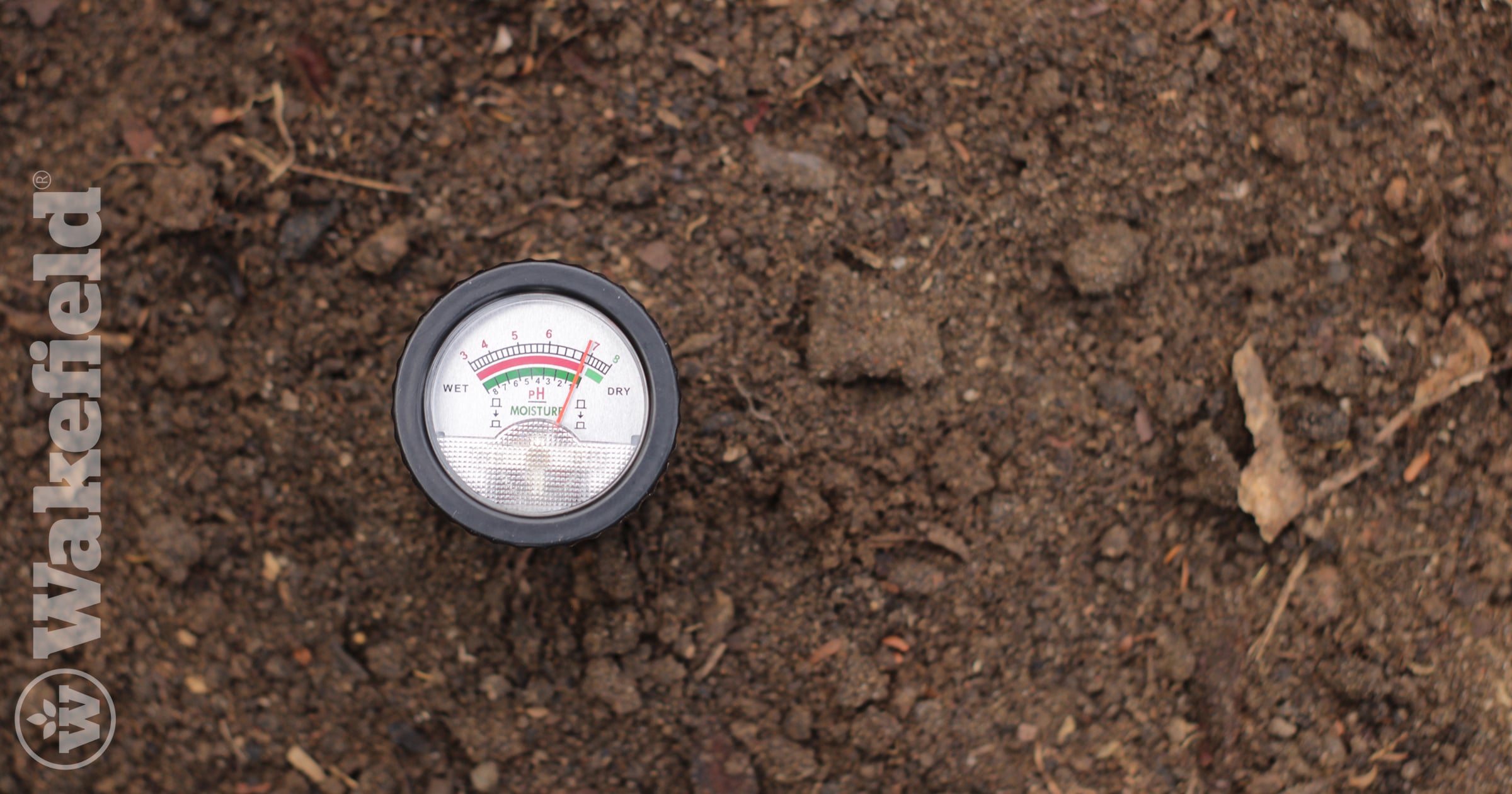
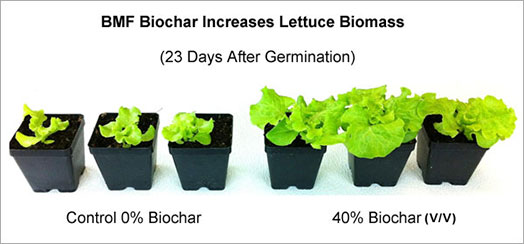
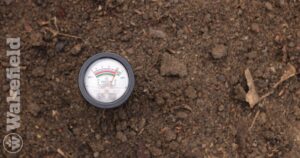
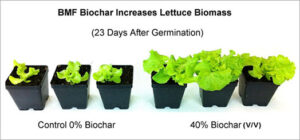
One of the foremost benefits of biochar is its capacity to improve soil health. When incorporated into forest soils, biochar can enhance nutrient availability and water retention, making it an ideal amendment for degraded lands. Its porous structure provides a habitat for beneficial microorganisms, fostering a thriving soil ecosystem. Consequently, healthier soil leads to robust tree growth, which is essential for maintaining forest resilience against environmental stressors.
Boosting Forest Resilience
Forests across the globe face myriad threats, including invasive species, pests, and diseases. Biochar can bolster forest resilience by promoting biodiversity within the soil, enhancing the ability of trees to withstand these disturbances. By supporting a diverse array of soil organisms, biochar contributes to more vigorous and resilient forest ecosystems. Furthermore, its high carbon stability aids in the long-term storage of carbon, effectively mitigating the atmospheric concentration of greenhouse gases.
Carbon Sequestration: A Double-Edged Sword
Incorporating biochar into forest management practices serves double duty. First, it helps sequester carbon by converting biomass that would otherwise decompose and release greenhouse gases into a stable form that remains in the soil for centuries. This process not only reduces the amount of carbon dioxide in the atmosphere but also improves soil health. Thus, biochar acts as both a mitigation tool and a means to enhance soil fertility, creating a synergistic effect that benefits both forests and the climate.
Reforestation and Afforestation Efforts
Reforestation and afforestation endeavors are critical components in the strategy to combat climate change. The use of biochar in these initiatives can accelerate the establishment of tree saplings and increase the survival rates of newly planted trees. Biochar-rich soils provide the necessary nutrients and moisture for young trees to flourish, ultimately leading to a more successful restoration of forest ecosystems. Moreover, utilizing biochar in these efforts can help restore degraded lands, bringing vitality back to ecosystems that have long been overlooked.
Community Engagement and Education
The implementation of biochar in forest management is not solely a scientific endeavor—it requires active engagement from local communities. Educating stakeholders about the benefits and applications of biochar is vital to its success. By fostering a sense of ownership over forest conservation initiatives, communities will be more likely to adopt sustainable practices. Workshops, demonstrations, and collaborative projects can empower individuals and groups to embrace biochar as a transformative tool in their efforts to protect and conserve forests.
Economic Viability and Investment
While the ecological advantages of biochar are evident, its economic feasibility also contributes to its appeal. Producing biochar can utilize agricultural waste and forestry by-products that would otherwise be discarded. This not only generates an additional revenue stream for farmers and forest managers but also reduces waste and promotes a circular economy. By positioning biochar as a viable agricultural amendment, investments in its production can drive innovation and sustainable practices across various sectors.
Challenges and Considerations
Despite the multitude of benefits associated with biochar, its widespread adoption is not without challenges. Concerns regarding the sourcing and sustainability of biomass feedstocks, as well as the potential for nutrient leaching, must be addressed. Careful consideration of local conditions, ecological impacts, and long-term sustainability is essential in the application of biochar for forest conservation. Collaborative research and dialogue among scientists, policymakers, and practitioners are crucial in navigating these complexities.
Conclusion: A New Horizon for Forest Management
In the face of escalating environmental challenges, biochar represents a beacon of hope for the future of our forests. Its multifaceted benefits—enhancing soil health, increasing climate resilience, and promoting community engagement—underscore its potential as a transformative element in forest conservation strategies. As we look to the future, the integration of biochar into forest management practices could forge a path toward a more sustainable and prosperous relationship between humanity and nature.