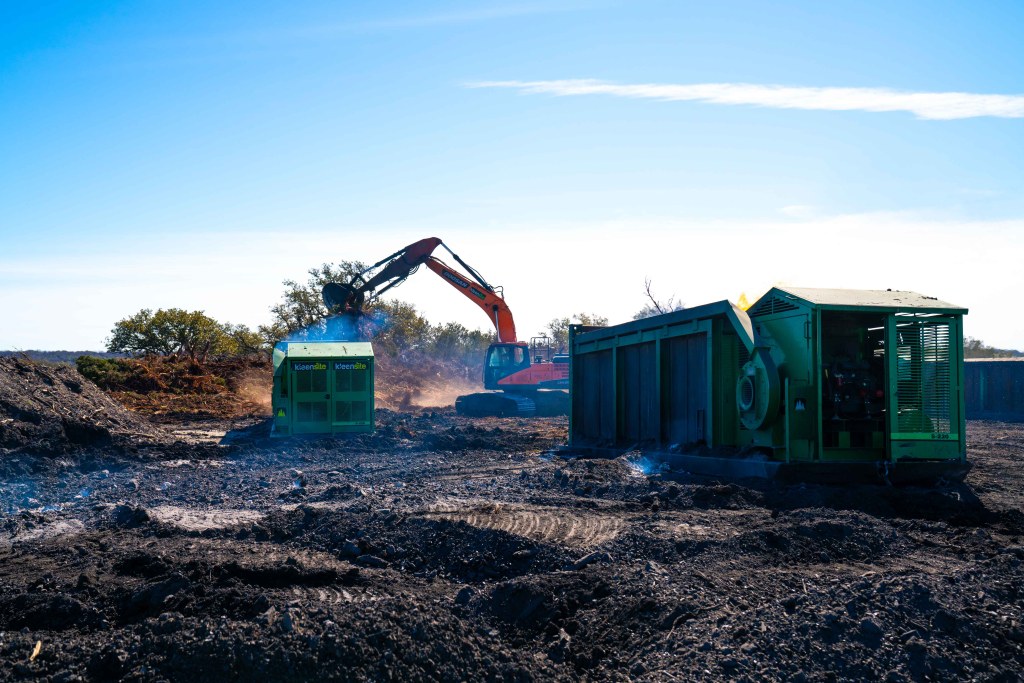
In an era increasingly driven by environmental consciousness and sustainable practices, the utilization of biochar has emerged as a pivotal component in soil enhancement and waste management. Have you ever pondered how buying biochar by the cubic yard could transform your gardening or landscaping endeavors? This extraordinary amendment is more than just a trend; it addresses crucial ecological concerns while enriching soils. Nevertheless, the invitation to join in this green revolution also presents challenges and complexities. Let’s delve into the ins and outs of purchasing bulk biochar, unveiling costs, tips, and its optimal applications.
Understanding Biochar and Its Benefits
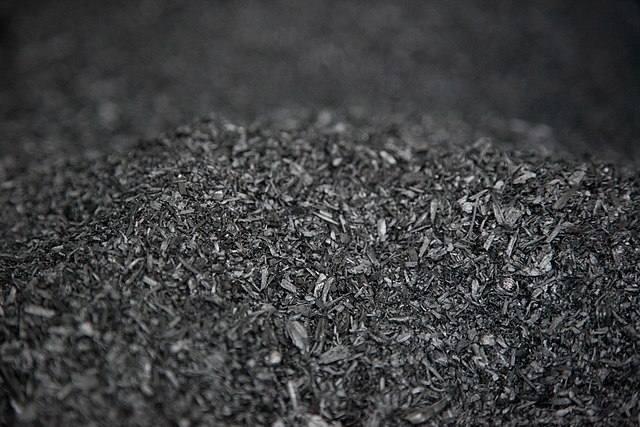
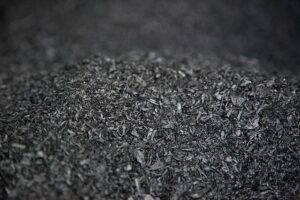
Before embarking on the journey of purchasing bulk biochar, it’s imperative to grasp what it truly is. Biochar is a carbon-rich product obtained through the pyrolysis of organic materials—ranging from agricultural residues to forestry by-products. This process not only sequesters carbon but also fortifies soil health by enhancing nutrient retention, improving water filtration, and promoting beneficial microbial activity.
The applications are diverse: from revitalizing depleted agricultural fields to aiding plant growth in home gardens. Furthermore, biochar acts as a carbon sink, potentially mitigating climate change issues by storing carbon efficiently.
Cost Considerations: What to Expect
When contemplating the purchase of biochar, one often wonders about the costs involved. The price of biochar can vary significantly based on factors including quality, supplier, and geographical location. On average, one can expect to pay between $30 to $100 per cubic yard. Factors that can influence these costs include:
- Quality of Biochar: Different feedstocks and production methods lead to varying qualities of biochar, thereby affecting pricing.
- Local Availability: Proximity to suppliers can reduce shipping costs, significantly impacting your overall expenditure.
- Purchase Volume: Buying in bulk typically offers reduced rates. Consider sourcing larger quantities if you have expansive gardening or landscaping projects.
- Organic Certification: If your application requires certified organic materials, you may find prices skewed higher for compliant products.
Additionally, exploring online marketplaces or local agricultural cooperatives can yield competitive options. Don’t shy away from asking potential suppliers about the methods used in producing their biochar and any associated certifications.
Top Tips for Purchasing Biochar
1. Research Reputable Suppliers: Not all biochar is created equal. Seek suppliers who can provide detailed information regarding their production processes and the source of their raw materials. Customer testimonials and reviews can be invaluable in assessing reliability.
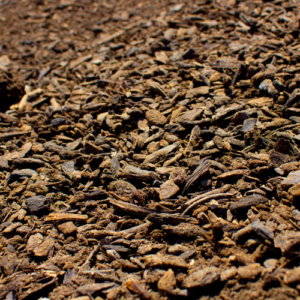
2. Seek Samples: Before committing to a large order, request samples to assess the material’s texture and particle size. Quality biochar should feel lightweight and crumbly with a slight aromatic essence.
3. Assess Particle Size: The efficacy of biochar can be greatly influenced by its particle size. Smaller particles may be more effective at enhancing nutrient retention, while larger pieces can improve soil structure. Determine what works best for your specific needs.
4. Understand Your Soil: Conducting soil tests can help tailor your biochar application. Different soils may necessitate varying amounts and types of biochar, so knowing your soil’s nutrient profile will yield optimal results.
5. Consider Blending: Mixing biochar with compost or similar organic materials can accelerate its benefits and integrate it better into the existing soil structure. This synergistic approach mitigates the initial nutrient immobilization that can occur when biochar is added to soil.
Best Uses for Bulk Biochar
Now that you’ve navigated the purchasing process, how can you maximize the potential of your bulk biochar? Here are several recommended uses:
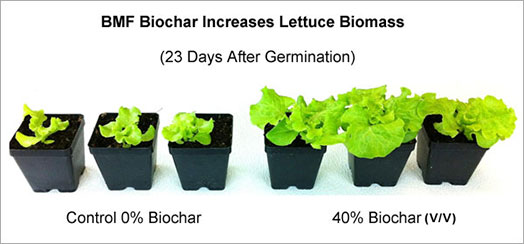
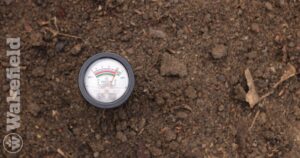
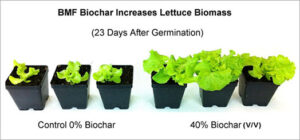
1. Soil Amendment for Gardens: Incorporate biochar into garden beds or potted plants to improve aeration, moisture retention, and nutrient availability. Its porous nature fosters a microhabitat for beneficial soil organisms.
2. Composting Enhancer: Adding biochar to your compost piles can enhance the composting process by improving aeration and microbial activity while helping to retain nutrients.
3. Water Filtration: Biochar’s unique structure makes it an excellent choice for biofiltration systems in ponds or aquaponics, where it can effectively remove contaminants and enhance water quality.
4. Livestock Bedding: Utilizing biochar as bedding in barns can help manage odors and enhance manure management, making it a sustainable choice for livestock operations.
5. Urban Landscaping: In urban settings, biochar can enhance the resilience of soils in parks and public spaces, contributing to greener city landscapes.
The Challenge Ahead
Ultimately, embracing bulk biochar by the cubic yard isn’t just a purchase; it’s an investment in a sustainable future. By understanding its benefits, associated costs, and ideal applications, you can make informed decisions that not only enrich your own gardening practices but also contribute positively to the environment. So, are you ready to take the plunge into the world of biochar and unleash its myriad benefits? The earth awaits your green thumb!