Can You Really Make Biochar with a Solar Oven? We Put It to the Test
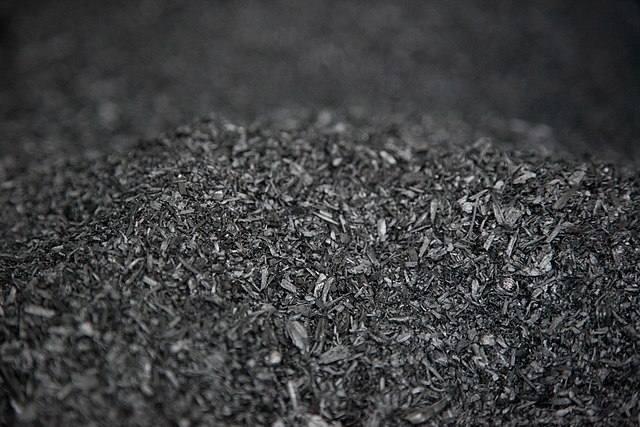
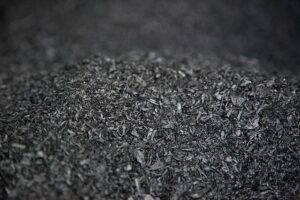
The intersection of renewable energy and sustainable agriculture brings forth a captivating investigation: Can solar energy be harnessed to create biochar? As environmental consciousness burgeons, the urge to discover alternative methods for carbon sequestration and soil enhancement has surged. Biochar, a charcoal-like substance created by pyrolysis—the thermal decomposition of organic material in the absence of oxygen—has emerged as a fascinating solution. However, can this process be effectively executed using a solar oven? We undertook a rigorous experiment to elucidate this tantalizing question.
Understanding the Basics of Biochar
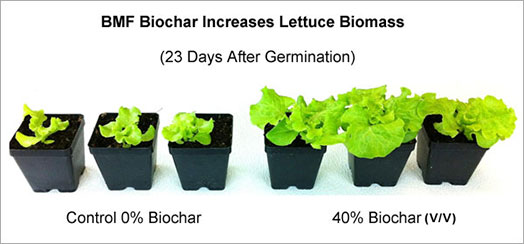
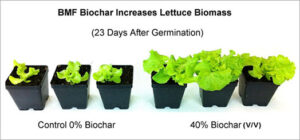
Before delving into the mechanics of solar biochar production, it’s crucial to comprehend the essentials of biochar itself. Produced primarily from biomass, its benefits are manifold. Biochar not only improves soil fertility by enhancing nutrient retention but also sequesters carbon, thereby offsetting carbon dioxide emissions in the atmosphere. The process of creating biochar from waste materials transforms what would be discarded into a valuable resource, aligning with zero-waste principles.
Solar Ovens: A Sustainable Alternative
Solar ovens represent an innovative approach to energy utilization, capturing sunlight to generate heat. They are primarily designed for cooking but possess the potential for diverse applications—such as the pyrolysis necessary for biochar production. However, the challenge lies in achieving sufficiently high temperatures to facilitate the conversion of biomass into biochar effectively. Standard solar ovens typically reach temperatures around 250°F (121°C), while pyrolysis often demands temperatures exceeding 500°F (260°C).
Preparing for the Experiment
To ascertain the feasibility of creating biochar in a solar oven, meticulous preparation was essential. We gathered an array of biomass materials, including wood chips, leaves, and small twigs, all of which are conducive to biochar production. The materials were dried to minimize moisture content, which is imperative for achieving the necessary temperatures during the process.
Next, we designed a makeshift container—a metal tin—capable of enduring high temperatures while allowing for necessary ventilation. Adequate airflow is critical to promote pyrolysis and prevent the combustion of biomass. Optimization of the design also involved ensuring that the container would fit securely within the solar oven, maximizing heat retention.
The Experimental Setup
With the solar oven assembled, we strategically placed our biomass-filled container inside. The choice of location was paramount; selecting a sun-drenched area free from obstructions would maximize exposure to solar radiation. We began our experiment in the late morning, aligning the solar oven to capture the sun’s intensity throughout the day.
As the hours progressed, we monitored the internal temperature of the solar oven and the biomass container. Variable fluctuations in temperature were noted, with periodic adjustments made to optimize sunlight capture. Unfortunately, despite our diligent observations, reaching the target pyrolysis temperature remained an elusive goal.
Challenges Encountered
Despite the simplicity and charm of solar ovens, complications arose in our quest for biochar. The limitations of solar energy became painfully evident; intermittent cloud cover and changes in sunlight intensity hampered our ability to maintain consistent and high temperatures. Even after several hours, the temperatures within the container did not surpass the requisite threshold for effective pyrolysis.
Moreover, the material composition played a pivotal role in our results. Different biomass types exhibited varying thermal properties. Wood chips, for instance, burn more efficiently than leaves, leading to disparities in formation processes. The calorific value of each material contributed significantly to our overall outcome.
What We Learned
While we did not succeed in producing biochar as anticipated, the experiment nonetheless yielded insightful lessons about sustainable practices and solar energy’s potential. Solar ovens are indeed remarkable tools for various applications, but their current capabilities present limitations for biochar creation. Efforts to refine designs, improve insulation, and increase solar heat retention may hold the key to future successes.
Our experiment illuminated not just the challenges but also the fascination surrounding biochar and its role in climate mitigation. The act of transforming waste into a resource encapsulates a broader narrative of human engagement with the environment, heralding a proactive stance towards sustainability. The underlying excitement comes not merely from the end product but from the exploration of possibilities inherent in green technologies.
Conclusion: Future Innovations
In summation, while the proposition of creating biochar using a solar oven remains a complex undertaking fraught with challenges, it serves as a testament to the importance of innovation in sustainability. The pursuit of renewable energy solutions continues to intrigue and inspire. Glimpsing advancements in solar technology hints at a future where making biochar could indeed become a feasible reality. Perhaps, with ingenuity and perseverance, the marriage of solar energy and biochar production can blossom into a symbiotic relationship that bolsters both agriculture and the planet’s health.
As interest in biochar and renewable methods of production proliferates, so too does the need for ongoing experimentation. By fostering curiosity and inviting collaborative efforts, we can continue to unravel the vast potential embedded within sustainable practices, leading us towards a brighter and more resilient future.