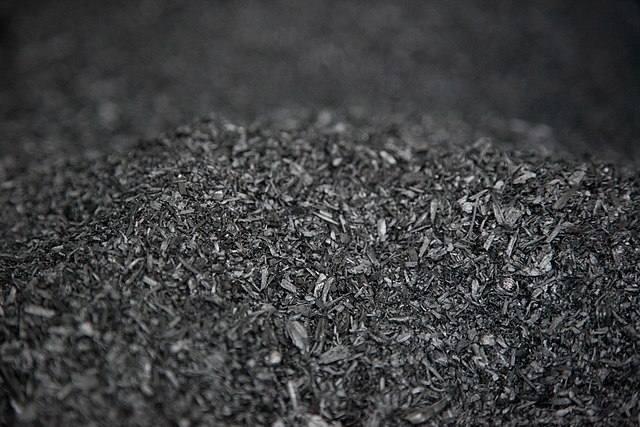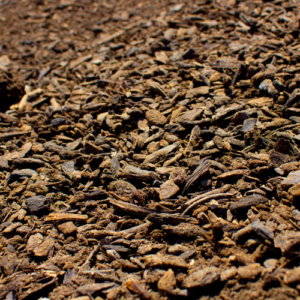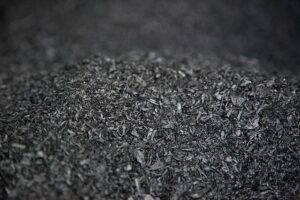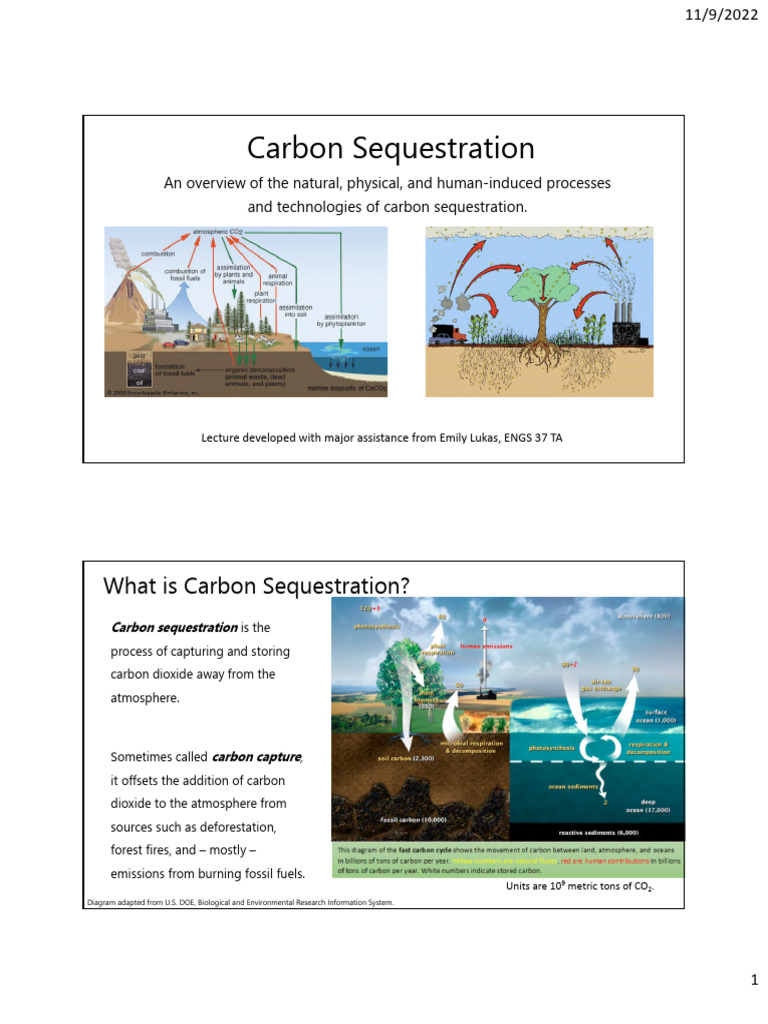
Biochar is an intriguing substance that has garnered attention in the realms of agriculture, environmental science, and carbon management. At its essence, biochar is a charcoal-like material produced through the pyrolysis of organic matter, such as agricultural residues, wood chips, and other biomass. This process involves heating the biomass in a low-oxygen environment, which results in the transformation of volatile compounds into a stable carbon form. When integrated into soil, biochar can act as a carbon sequestration tool, effectively capturing and storing carbon dioxide (CO2) for extended periods. This article delves into the multifaceted aspects of biochar and its significant role in carbon sequestration.
The Mechanism of Carbon Sequestration
The fundamental objective of carbon sequestration is to mitigate climate change by reducing the concentration of CO2 in the atmosphere. Biochar contributes to this goal through various mechanisms. Primarily, it enhances soil carbon stocks by providing a stable form of carbon that can persist in the soil for hundreds to thousands of years. Unlike other organic amendments that rapidly decompose, biochar is resistant to microbial degradation, allowing it to act as a long-term carbon sink.
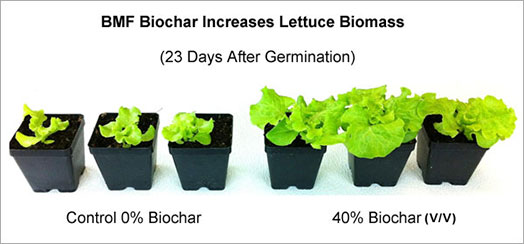
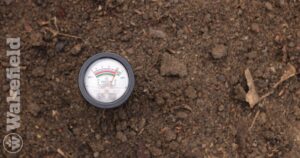
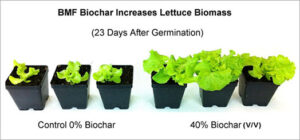
Furthermore, when biochar is applied to soil, it modifies the soil’s physical and chemical properties. This can lead to improved soil structure, enhanced water retention, and increased nutrient availability. As a result, crops grown in biochar-amended soils often exhibit improved growth and yield, exemplifying the synergistic benefits of using biochar for both agricultural productivity and environmental restoration.
Types of Biochar
Not all biochar is created equal. Various factors influence the characteristics of biochar, including the type of feedstock used, the pyrolysis temperature, and the production method. Understanding these types is crucial for optimizing biochar’s efficacy as a carbon sequestration agent.
1. Wood-based Biochar: Derived from various tree species, this type of biochar is known for its high carbon content and stability. The nutrient profile can vary significantly based on the species used, making wood-based biochar suitable for different agricultural applications.
2. Agricultural Residue Biochar: Created from crop residues such as straw, corn stover, and rice husks, this biochar type often contains significant amounts of nutrients. Utilizing agricultural waste for biochar production not only reduces waste but also recycles nutrients back into the soil.
3. Animal Manure Biochar: This biochar incorporates manure from livestock. It not only captures carbon but also helps rectify soil nutrient deficiencies. However, one must consider the potential presence of pathogens or pharmaceuticals in manure; therefore, appropriate processing is vital.
4. Organic Waste Biochar: Produced from municipal solid waste, food scraps, or yard waste, organic waste biochar can serve as a sustainable waste management strategy. However, it is critical to ensure that the waste is free from harmful contaminants.
The Production Process and Its Impact
The pyrolysis process is paramount in determining the biochar’s properties, and it can be categorized into three primary types based on temperature: low, medium, and high-temperature pyrolysis.
Low-temperature pyrolysis (300-500°C) typically produces biochar with a higher volatile matter content but lower carbon stability. On the contrary, high-temperature pyrolysis (600-900°C) yields a more carbon-rich biochar with enhanced stability, rendering it ideal for long-term carbon sequestration. By understanding and controlling the production parameters, one can tailor biochar to meet specific agricultural or environmental needs effectively.
The Benefits of Biochar Beyond Carbon Sequestration
Beyond its carbon-storing capabilities, biochar has several ancillary benefits that make it an appealing option for land management and environmental sustainability.
1. Soil Quality Improvement: Biochar enhances soil fertility, increases microbial activity, and boosts the cation exchange capacity (CEC) of soils, which leads to improved nutrient uptake by plants.
2. Water Management: The porous structure of biochar allows it to retain moisture more effectively than conventional soil. This property can be particularly beneficial in arid regions, reducing the need for irrigation water.
3. Pollution Mitigation: Biochar can adsorb harmful chemicals, such as heavy metals or pesticides from the soil or water, thus reducing environmental pollution.
Challenges and Considerations
Despite its promising attributes, the widespread application of biochar faces several hurdles. The economic feasibility of large-scale biochar production must be evaluated, as high-quality feedstocks and pyrolysis technologies can be costly. Moreover, the long-term effects of biochar application on soil health should be researched comprehensively to ascertain any potential negative consequences, including the risk of nutrient lock-up or imbalanced soil microbiomes.
The Future of Biochar and Carbon Sequestration
With growing concerns regarding climate change and carbon emissions, biochar stands at the forefront of innovative solutions for carbon sequestration. Policymakers, researchers, and farmers must collaborate to explore and implement biochar strategies on a broader scale. By standardizing production practices and establishing regulatory measures, the potential of biochar could be unlocked fully, paving the way for a sustainable and ecologically responsible future.
In conclusion, biochar emerges as a versatile and multifaceted tool in the fight against climate change. Its unique properties not only facilitate carbon sequestration but also enhance soil fertility, water retention, and pollution remediation. Understanding the nuances of biochar types, production processes, and their wider implications will be crucial in harnessing this potent resource effectively. As the world looks for sustainable solutions, biochar holds the promise of a brighter, greener tomorrow.